





What's Happening?
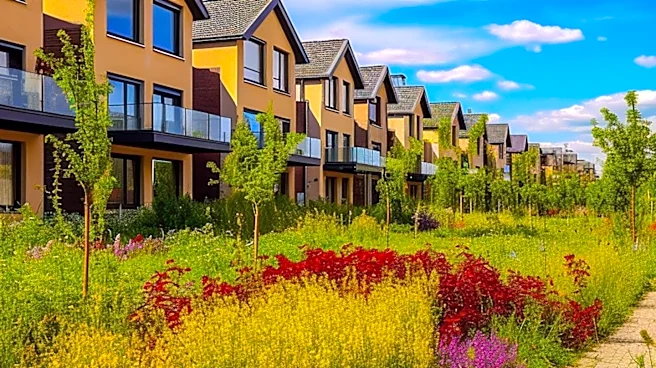
Colorado Springs has seen the opening of its second affordable housing project built on church-donated land. Sunrise at Shiloh Mesa, a 50-unit development for seniors aged 62 and older, is a partnership between Greccio Housing and the Center for Strategic
Ministry, a nonprofit arm of Woodmen Valley Chapel. The church donated 1.1 acres of land, valued at $900,000, to Greccio, which helped keep the debt service low and, consequently, the rent affordable. This project follows the 2024 opening of The Village at Solid Rock, another affordable housing development on church land. These initiatives align with recent state legislative changes, including a new law signed in March, which allows faith-based organizations, public schools, colleges, nonprofits, transit agencies, and housing authorities to bypass local zoning regulations to streamline the permitting process for affordable housing projects. This broader measure succeeded a failed 2025 proposal championed by Governor Jared Polis, known as 'Yes In God’s Backyard,' which aimed to simplify building affordable housing on faith-based and educational land.
Why It's Important?
The development of affordable housing on church-donated land in Colorado Springs signifies a growing trend and a practical solution to the ongoing housing crisis in the U.S. By leveraging underutilized church properties, communities can create much-needed housing units without the prohibitive cost of land acquisition, which is a major barrier to affordable development. The involvement of faith-based organizations, like Woodmen Valley Chapel, not only provides financial and land resources but also mobilizes volunteer support for residents, fostering a stronger community network. The state's new law, enabling organizations to bypass local zoning regulations, is a critical policy shift. Zoning laws often present significant hurdles, increasing costs and delaying projects. This legislative change could serve as a model for other states grappling with housing shortages, demonstrating how regulatory reform can accelerate affordable housing initiatives and make them more financially viable. This approach benefits low-income seniors by providing stable and safe housing, allowing them to rebuild their lives and access supportive services.
What's Next?
With the success of Sunrise at Shiloh Mesa and The Village at Solid Rock, it is anticipated that more faith-based organizations in Colorado and potentially other states will explore similar partnerships to develop affordable housing. The new state law, which simplifies the permitting process by allowing bypasses of local zoning regulations, is expected to encourage further development on church and other institutional lands. Organizations like Greccio Housing and the Center for Strategic Ministry will likely continue to seek out and facilitate such collaborations, given the high demand for affordable housing, particularly for low-income seniors. The model of churches donating land and providing volunteer support could become a more widespread strategy, potentially leading to a significant increase in affordable housing units across the state. Future efforts may focus on refining these legislative frameworks and providing resources to help churches navigate the complexities of development, ensuring that more 'do-good' ideas translate into tangible community benefits.
Beyond the Headlines
The trend of utilizing church land for affordable housing extends beyond mere construction; it represents a deeper societal shift towards community-led solutions for systemic issues. This approach highlights the potential for non-traditional partnerships to address critical needs, demonstrating how religious institutions can play a direct and impactful role in social welfare beyond their traditional spiritual functions. Ethically, it underscores a commitment to social justice and care for vulnerable populations, aligning with many faith traditions' principles. Legally, the state's decision to override local zoning regulations for these projects signals a recognition of the urgency of the housing crisis, potentially setting a precedent for broader land-use reforms that prioritize public good over localized resistance. Culturally, it could foster greater collaboration between secular development organizations and faith communities, breaking down silos and building bridges for collective action. This model also challenges conventional notions of property use, suggesting that land, even privately owned, can serve a broader communal purpose, especially in times of acute social need.