





What's Happening?
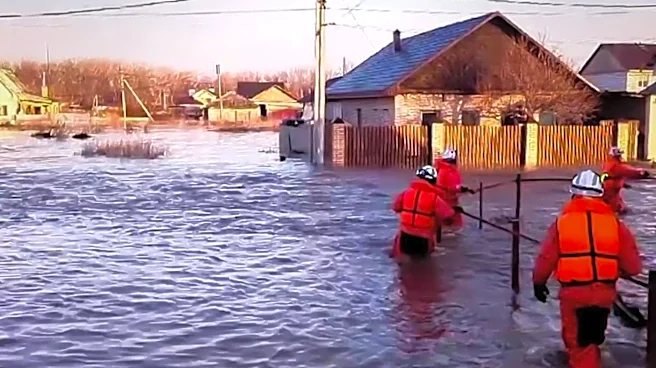
U.S. Sen. Shelley Moore Capito visited Buckhannon, West Virginia, to assess the ongoing flood recovery efforts in Lewis and Upshur counties, three months after the disaster. She met with county commissioners and Region 7 leaders to review FEMA's response
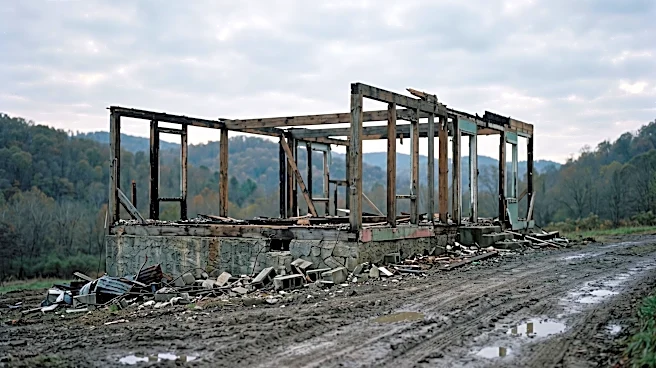
and identify areas where recovery is lagging. Senator Capito highlighted that over 100 families remain displaced from their homes, and the process of demolishing damaged housing and constructing new residences is proceeding too slowly. Additionally, students from Robert L. Bland Middle School in Lewis County are still displaced and operating temporarily at Jackson's Mill. Challenges also persist with wastewater systems and drinking water in the affected regions. FEMA has been on the ground since the early stages of recovery, and most individual assistance has been distributed, but significant hurdles remain, including basements needing to be cleared. Lewis County is reportedly the first disaster managed under FEMA's newly overhauled rules, with nearly $9 million already disbursed to residents and rental assistance continuing for 106 families.
Why It's Important?
The slow pace of flood recovery in Lewis and Upshur counties, as highlighted by Senator Capito, underscores critical issues in disaster response and long-term community rebuilding. The displacement of over 100 families and students from their school signifies a significant social and educational disruption, impacting the stability and future of these communities. The challenges with infrastructure, such as wastewater and drinking water systems, pose public health risks and hinder economic recovery. The situation also serves as an early test case for FEMA's new operational rules, with Lewis County officials describing themselves as 'guinea pigs' for the process. While some aspects of the new rules are seen as improvements, the persistent delays in housing reconstruction indicate potential shortcomings or bottlenecks that could affect future disaster responses across the U.S. The involvement of nonprofit groups like the Fuller Center and Samaritan's Purse emphasizes the reliance on external aid when governmental processes are insufficient, highlighting the need for more robust and efficient recovery mechanisms.
What's Next?
With winter approaching, there is an urgent need to accelerate recovery efforts to prevent further hardship for displaced families. Senator Capito plans to follow up with Lewis County Schools Superintendent Carolyn Long regarding the displaced middle school. Residents still struggling are encouraged to contact their county commission, FEMA, or Senator Capito's office to ensure their relief rights are met. The ongoing assessment of FEMA's new rules in Lewis County will likely inform future adjustments to national disaster response protocols. The continued involvement of nonprofit organizations will be crucial in bridging gaps in housing and community support. The focus will be on streamlining the process for demolishing dilapidated homes and constructing new ones, as well as addressing the persistent infrastructure challenges to ensure basic services are restored before winter conditions exacerbate the situation for affected residents.
Beyond the Headlines
The protracted recovery in West Virginia reveals deeper systemic issues within disaster management, particularly concerning the bureaucratic hurdles and coordination challenges between federal, state, and local entities. The displacement of families for months on end can lead to long-term psychological trauma, economic instability, and a decline in community cohesion. The disruption to education, with students attending school in temporary locations, can have lasting impacts on academic performance and social development. Furthermore, the reliance on nonprofit organizations to fill critical gaps in housing and support highlights a potential underfunding or inefficiency in official disaster relief channels. This situation also brings to light the vulnerability of communities in flood plains and the need for more resilient infrastructure planning and potentially relocation strategies in the face of increasing climate-related events. The experience of Lewis County as a 'guinea pig' for new FEMA rules could set precedents for how future disasters are handled, influencing policy changes that could either improve or hinder recovery efforts nationwide.