









What's Happening?
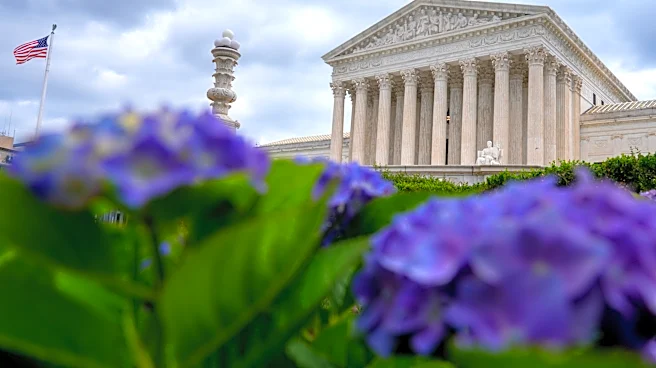
The U.S. Supreme Court's decision in Pung v. Isabella County has left significant questions unresolved regarding 'home equity theft' practices. The case began with a $2,242 tax delinquency on a Michigan home, which was sold at a public auction for $76,008.
The estate representative, Michael Pung, argued that the Fifth Amendment required compensation based on the fair market value, which was over $190,000. The court ruled that the auction sale price, not the hypothetical fair market value, is the proper baseline for 'just compensation' if the sale is fairly conducted. However, the ruling does not address how compensation should be evaluated when equity is divested through the lien-to-deed process without an auction. This leaves open questions about procedural fairness and compensation in tax-lien jurisdictions.
Why It's Important?
The ruling has significant implications for property rights and tax foreclosure practices across the U.S. It affects how local governments handle tax delinquencies and could lead to increased litigation and legislative reform. The decision balances individual property rights against the government's interest in efficiently collecting delinquent taxes. However, it leaves unresolved issues that could impact homeowners in tax-lien jurisdictions, where properties are often transferred without competitive sales. This could lead to further legal challenges and calls for legislative changes to protect property owners' rights.
What's Next?
The decision is expected to lead to continued litigation and legislative efforts to address the unresolved issues. Lower courts and state legislatures will need to grapple with how to ensure fair compensation in non-auction tax lien regimes. The ruling may also prompt states to amend laws to require surplus returns, following the Supreme Court's 2023 ruling in Tyler v. Hennepin County. The issue has drawn congressional attention, with calls for reforms to protect property rights. The ruling will likely shift the focus to procedural fairness and valuation disputes.