






What's Happening?
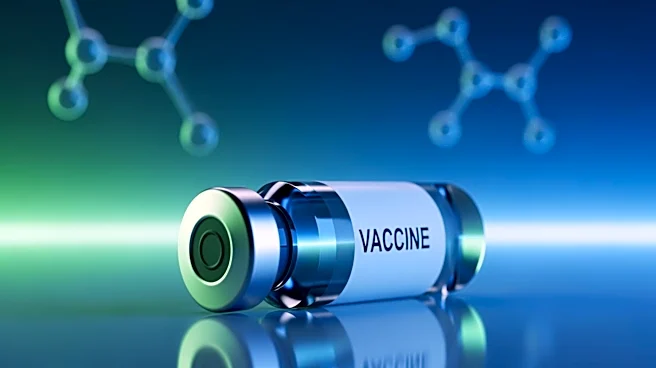
A personalized mRNA vaccine for pancreatic cancer has shown promising results in a phase 1 clinical trial, with extended follow-up data presented at the American Association for Cancer Research meeting. The trial involved 16 patients, half of whom developed
a strong immune response to the vaccine. These 'responders' had a significantly lower recurrence rate and higher survival rate compared to non-responders. The vaccine is tailored to each patient's tumor antigens, aiming to prevent recurrence by targeting cancer cells remaining after surgery. The study, led by Dr. Vinod Balachandran at Memorial Sloan Kettering Cancer Center, highlights the potential of personalized cancer vaccines, though further research is needed to confirm these findings.
Why It's Important?
Pancreatic cancer is one of the deadliest cancers, with a low survival rate and limited treatment options. The promising results of this personalized vaccine could represent a significant advancement in cancer treatment, offering hope for improved survival rates. The study underscores the potential of mRNA technology, which gained prominence with COVID-19 vaccines, in treating other diseases. If successful in larger trials, this approach could revolutionize cancer treatment by providing personalized therapies that enhance the immune system's ability to fight cancer.
What's Next?
BioNTech and Genentech have initiated a global phase 2 trial with about 260 patients to further evaluate the vaccine's effectiveness compared to standard chemotherapy. Researchers are also working on producing mRNA vaccines independently to expand access and reduce reliance on pharmaceutical partnerships. Additionally, efforts are underway to develop a universal vaccine targeting common mutations in pancreatic cancer, with a phase 2 trial expected to begin soon. Continued research and testing are crucial to validate these early findings and potentially integrate this approach into standard cancer care.