





What's Happening?
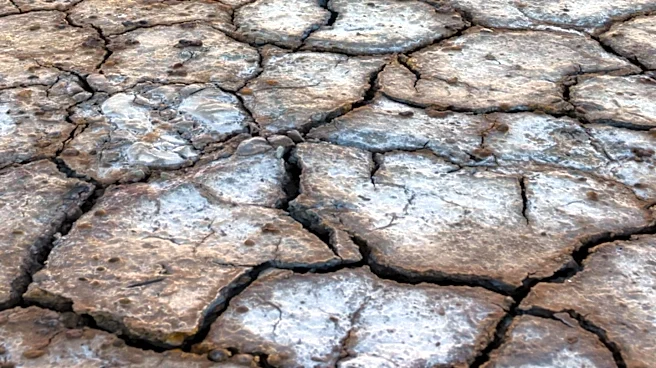
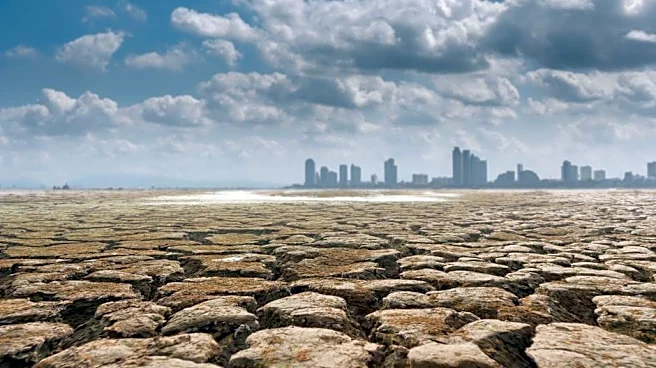
Southeast Asia is preparing for a 'Super El Niño' event, which is expected to bring severe heat and drought across the region. Farmers like Surachai Parunram in Thailand are already experiencing unpredictable weather patterns, affecting their planting
seasons. The El Niño phenomenon, characterized by warming sea surface temperatures in the Pacific Ocean, is anticipated to exacerbate heatwaves and pressure on agriculture and water supplies. Experts warn that this event could be one of the most severe recorded, with significant impacts on regional agriculture and economies.
Why It's Important?
The 'Super El Niño' poses a significant threat to Southeast Asia's agriculture, particularly affecting rice and sugarcane production. This could lead to increased food prices and economic strain on households already facing economic pressures. The event's severity is heightened by the current global temperature rise, making its impacts more severe than past occurrences. Governments and farmers must adapt to these conditions to mitigate potential economic and food security challenges.
What's Next?
As the El Niño event develops, regional governments may need to implement measures to support farmers and manage water resources effectively. Encouraging the cultivation of drought-resistant crops and improving irrigation systems could be crucial steps. Monitoring and forecasting will play a vital role in preparing for and responding to the event's impacts, ensuring that communities and economies can withstand the challenges posed by this climate phenomenon.