






What's Happening?
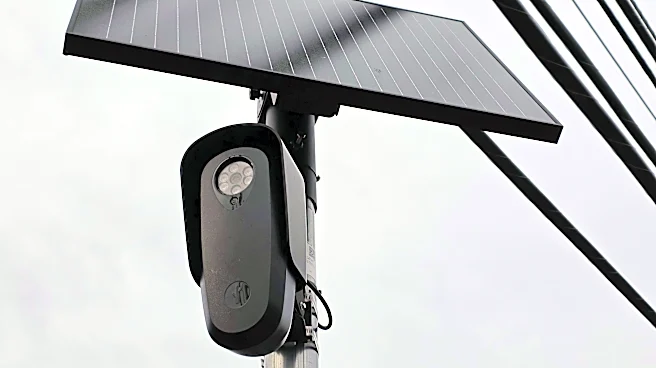
The West Hollywood City Council is facing significant community opposition regarding its decision to continue and amend a contract with Flock Safety for AI-powered surveillance cameras. Despite the Los Angeles Police Department (LAPD) claiming it no longer
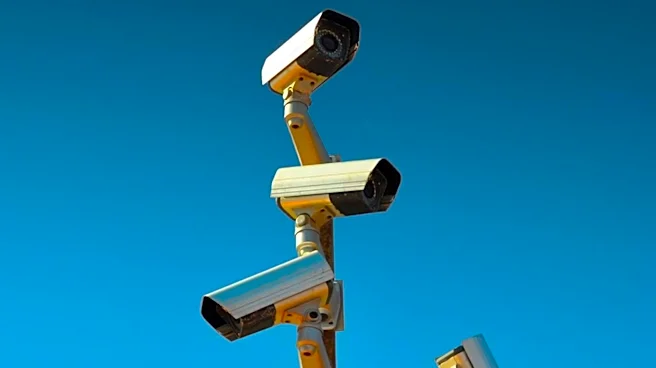
accesses Flock data as of August 2026, at least 138 cameras remain active across Los Angeles, with West Hollywood specifically integrating them into public infrastructure and connecting them to a Los Angeles County Sheriff’s Department (LASD) watch center. These cameras, which capture license plate numbers, vehicle make, model, and design, have been strategically placed in front of LGBTQ+ bars and clubs on Rainbow Street, a move that has particularly alarmed the queer community. Critics argue that this widespread surveillance infringes on privacy and disproportionately targets vulnerable populations, including LGBTQ+ individuals and immigrants, in a city that has historically served as a sanctuary.
Why It's Important?
The ongoing deployment of Flock cameras in West Hollywood highlights a growing tension between public safety initiatives and civil liberties in U.S. urban centers. The concerns raised by residents and community leaders underscore the potential for surveillance technology to erode privacy, especially for marginalized groups with a history of being targeted by law enforcement. The city's legacy as a sanctuary for queer and trans people, as well as immigrants, is perceived to be at risk, as increased surveillance could lead to heightened scrutiny, potential ICE arrests, and further criminalization. The debate also brings into question the effectiveness of such systems, with a public safety commissioner reporting that only a small fraction of tips generated by Flock cameras materialized into actual issues, suggesting a high rate of false alarms that could lead to unwarranted harm. This situation reflects a broader national discussion about the ethical implications and societal impact of AI-driven surveillance technologies.
What's Next?
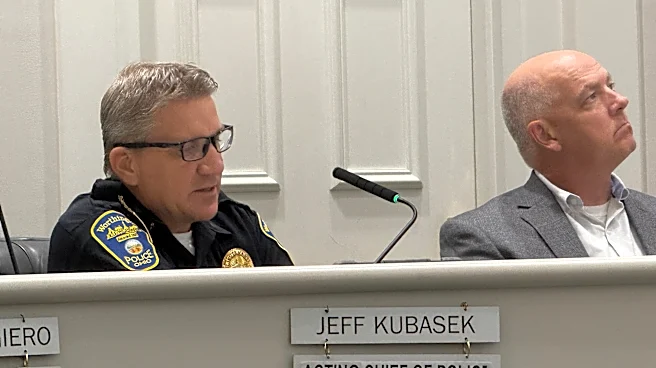
The West Hollywood Public Safety Commission, established in 1989, voted on August 24 to recommend that the city reconsider its contract with Flock Safety, following continuous community concerns. This recommendation will likely lead to further discussions and potential re-evaluation by the City Council. Residents are being urged to participate in the upcoming West Hollywood City Council election on November 3, 2026, to demand an end to what they perceive as out-of-control surveillance. The outcome of these political and community actions will determine the future of Flock camera deployment in West Hollywood and could set a precedent for other cities grappling with similar issues. Additionally, ongoing scrutiny of data access and sharing practices, particularly concerning federal agencies like ICE, will remain a critical point of contention.
Beyond the Headlines
The controversy in West Hollywood extends beyond immediate privacy concerns, touching upon deeper ethical and cultural dimensions. The placement of surveillance cameras in areas frequented by the LGBTQ+ community evokes historical patterns of monitoring and repression against this group, raising fears of a return to practices that undermined their safety and freedom. The alleged discrepancies between the city's staff report and the approved Flock Safety amendment, which reportedly grants Flock permanent rights to use aggregated city data for AI training, highlight concerns about data governance, algorithmic bias, and the commercial exploitation of public surveillance data. This situation underscores the need for robust policy frameworks that ensure transparency, accountability, and community oversight in the adoption of advanced surveillance technologies, particularly to protect the rights and trust of vulnerable populations.