





What's Happening?
The Great American State Fair, held at the National Mall to commemorate the United States' 250th anniversary, is experiencing several logistical challenges. The event, which aims to showcase all parts of the nation, has seen at least 10 states and territories
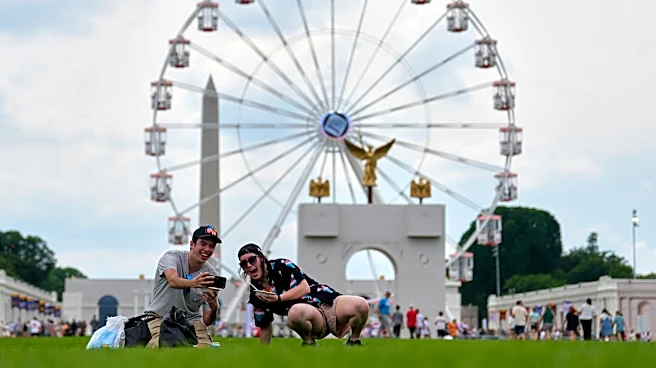
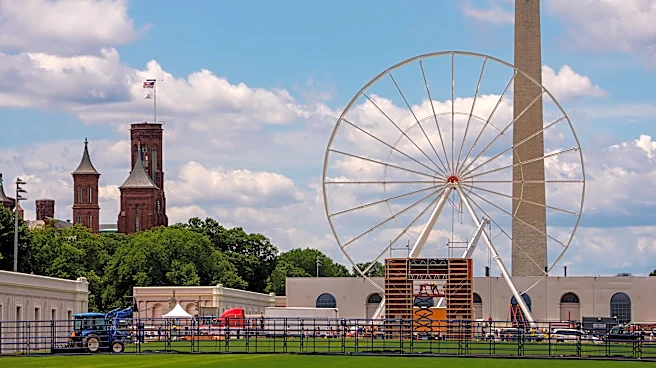
opt out of participation, citing the high costs of sending delegations as a primary reason. This has resulted in empty booths for states like Connecticut, Oregon, and Alaska, among others. Additionally, the fair has been plagued by power outages, leading to issues such as melted ice cream and the temporary shutdown of the Ferris wheel. Despite these setbacks, some states have gone to great lengths to create engaging exhibits, such as Texas with its Alamo photo opportunity and Nevada with a Las Vegas-themed booth.
Why It's Important?
The fair's challenges highlight the complexities of organizing large-scale national events, especially when financial constraints and logistical issues are involved. The absence of several states underscores the financial pressures that can limit participation in national celebrations, potentially affecting the event's inclusivity and representation. This situation also reflects broader economic considerations that states must weigh when deciding to participate in such events. The fair's logistical issues, such as power outages, further emphasize the importance of robust planning and infrastructure to ensure the success of large public gatherings. The event's success or failure could influence future national celebrations and how they are organized.
What's Next?
As the fair continues, organizers will need to address the ongoing logistical issues to ensure a smoother experience for attendees. This may involve improving power supply systems and ensuring that all planned attractions are operational. The participation of states may also be revisited, with potential discussions on how to make future events more financially accessible to encourage broader representation. Stakeholders, including state representatives and event organizers, may need to collaborate on strategies to enhance participation and address the financial barriers that some states face.
Beyond the Headlines
The fair's challenges may prompt a reevaluation of how national events are funded and organized, potentially leading to policy discussions on federal support for state participation in national celebrations. The event also raises questions about the role of such fairs in fostering national unity and how they can be more inclusive. The logistical issues experienced may lead to innovations in event management and infrastructure planning for future large-scale events.