





What's Happening?
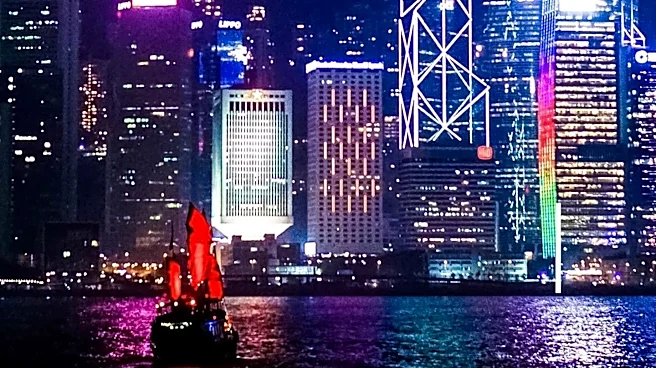
Jean-Claude Trutt's essay, 'Hong Kong, Literature, Culture, History,' translated by Cyril Camus, combines memoir, literary criticism, and historical reflection to explore Hong Kong's cultural identity, colonial legacy, and changing political landscape.
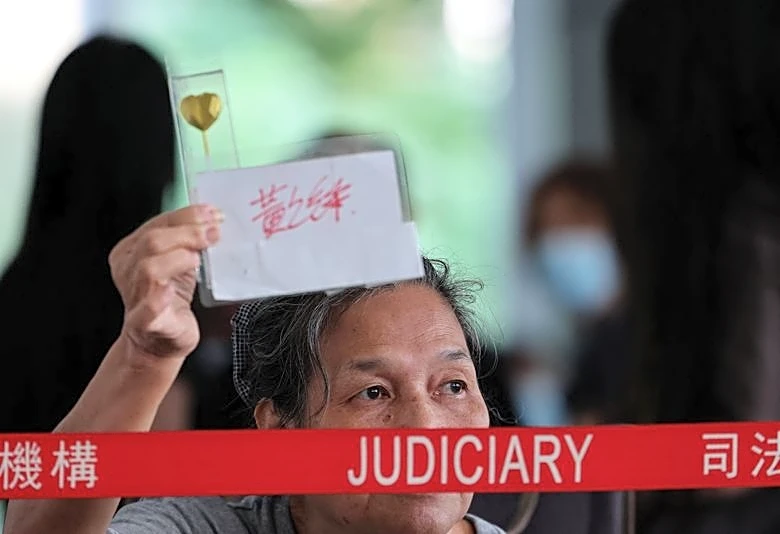
Trutt, a French Alsatian engineer and literature enthusiast, draws on his extensive business travels to Hong Kong and mainland China, as well as his reading of Hong Kong literature. The essay delves into the city's unique characteristics, including its economic focus, the linguistic differences between Cantonese and Mandarin, and the impact of historical events like the 1997 handover to China and subsequent protest movements.
Why It's Important?
This essay is important for understanding the complex identity of Hong Kong, a city at the crossroads of East and West, and its evolving relationship with mainland China. Trutt's multi-faceted approach, blending personal observations with literary and historical analysis, provides a nuanced perspective on the city's cultural distinctiveness and its political challenges. The discussion of linguistic differences and the impact of political shifts on the police force and public sentiment offers critical insights into the socio-political dynamics of the region. For those interested in international relations, cultural studies, and the future of Hong Kong, this essay provides a valuable framework for analysis.
Beyond the Headlines
Beyond the immediate political and cultural observations, Trutt's essay delves into the deeper implications of Hong Kong's identity as a 'space of transit' and a 'city of transients.' It highlights how historical events and political decisions have shaped not only the city's physical landscape but also the collective consciousness of its inhabitants. The essay's exploration of protest movements and their suppression underscores the ongoing struggle for freedom and self-determination, raising ethical questions about governance and human rights. By examining the role of literature in reflecting and shaping these realities, Trutt emphasizes the power of storytelling to capture the essence of a city in flux.