






What's Happening?
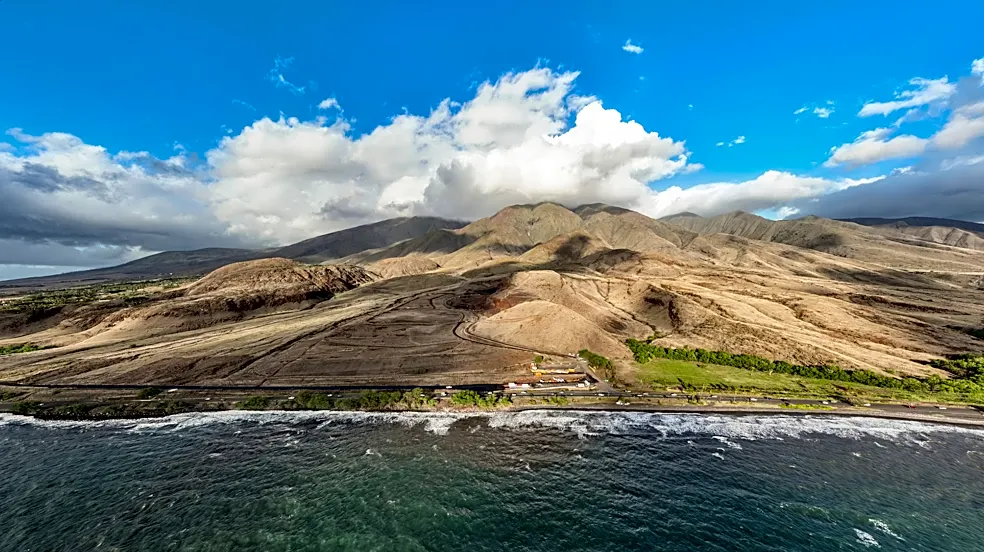
Governor Josh Green has officially designated 2026 as the 'Year of Our Coastal Kuleana' for the state of Hawaii. This designation emphasizes the critical importance of Hawaii's relationship with the ocean, its resources, and the collective responsibility
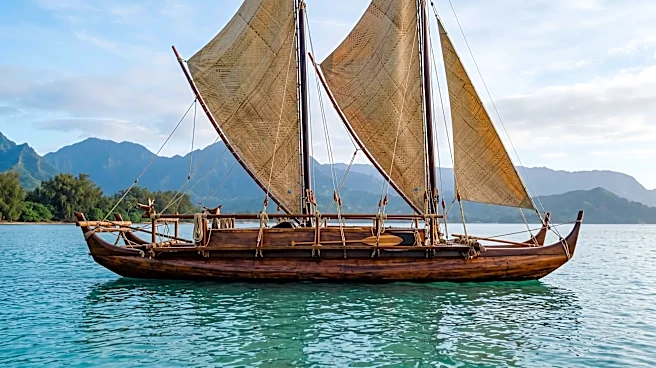
to care for them. The initiative aligns with the theme of the 2026 Festivals of Aloha, 'Ea Mai Ke Kai Mai — Rise Up from the Sea,' which was selected by Kumu Hula Cody Pueo Pata. The theme and the Governor's designation also coincide with two significant historical milestones: the 50th anniversary of Hōkūleʻa’s maiden voyage to Tahiti and the 50th anniversary of the Protect Kahoʻolawe ʻOhana. These anniversaries highlight a long-standing commitment to cultural preservation and environmental stewardship within the Hawaiian community. The announcement was made in conjunction with cultural events, including the 5th Annual Carmen Hulu Lindsey Leo Haʻihaʻi Falsetto Contest, which celebrates traditional Hawaiian music and language.
Why It's Important?
The designation of 2026 as the 'Year of Our Coastal Kuleana' holds significant importance for Hawaii, underscoring a statewide commitment to environmental protection and cultural heritage. This initiative is expected to galvanize public awareness and participation in ocean conservation efforts, potentially leading to new policies or increased funding for marine resource management. For the tourism industry, a focus on coastal kuleana could enhance Hawaii's appeal as a destination committed to sustainability, attracting environmentally conscious travelers. Local communities, particularly those reliant on marine resources, stand to benefit from improved ecosystem health and sustainable practices. The emphasis on 'kuleana'—a Hawaiian concept encompassing responsibility and privilege—reinforces cultural values and encourages a deeper connection between residents and their natural environment. This could foster greater community engagement in conservation projects and educational programs, ensuring the long-term health of Hawaii's unique coastal ecosystems.
What's Next?
Following Governor Green's designation, it is anticipated that various state agencies, non-profit organizations, and community groups will launch or expand initiatives aligned with the 'Year of Our Coastal Kuleana.' This could include educational campaigns to inform the public about sustainable ocean practices, increased monitoring of coastal ecosystems, and projects aimed at reducing marine pollution. There may also be legislative efforts to support coastal protection and resource management, potentially involving new regulations or funding allocations. Cultural events, such as the Festivals of Aloha, are likely to continue integrating themes of ocean stewardship and Hawaiian traditions, further embedding the concept of kuleana within public consciousness. Stakeholders, including environmental groups, local businesses, and educational institutions, are expected to collaborate on programs that promote responsible interaction with Hawaii's marine environment, fostering a collective approach to coastal preservation.
Beyond the Headlines
The 'Year of Our Coastal Kuleana' extends beyond immediate environmental actions, touching upon deeper ethical and cultural dimensions within Hawaii. The concept of 'kuleana' implies a reciprocal relationship with the land and sea, where rights are intertwined with responsibilities. This designation serves as a powerful reminder of indigenous Hawaiian values that prioritize stewardship over exploitation, offering a model for sustainable living that could resonate globally. It highlights the ongoing efforts to revitalize Hawaiian language and cultural practices, demonstrating how traditional knowledge can inform contemporary environmental challenges. The initiative also subtly addresses the impacts of climate change and over-tourism by advocating for a more respectful and sustainable engagement with Hawaii's natural beauty. By intertwining cultural celebration with environmental action, Governor Green's designation fosters a holistic approach to conservation, emphasizing that the health of the environment is inextricably linked to the well-being and cultural identity of its people.