




What's Happening?
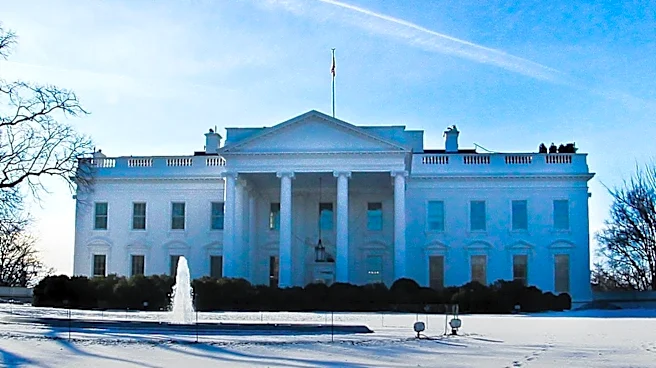
The White House has expanded its Ratepayer Protection Pledge to include 187 utilities, electric cooperatives, and data-center developers, along with 23 governors. This expansion aims to prevent large data centers from passing grid costs onto electricity
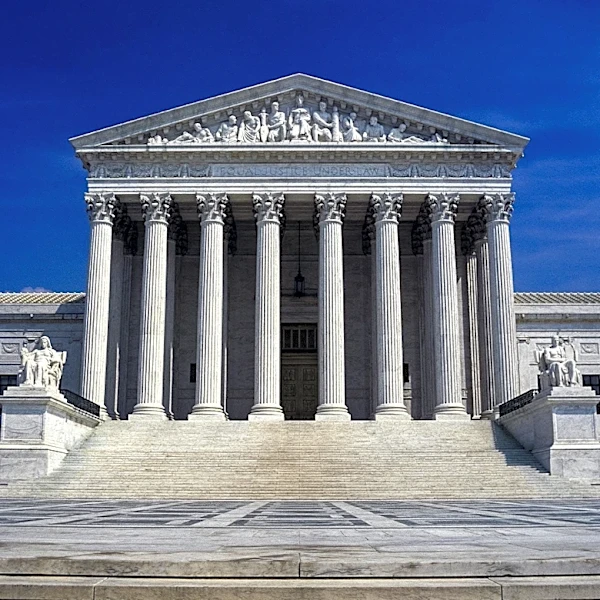
customers. Concurrently, the House Energy and Commerce Committee has advanced the Ratepayer Protection Act (H.R. 9340), which would require state utility commissions to ensure that data centers with loads of 100 MW or more cover the full cost of necessary grid upgrades. This federal initiative follows state-level actions addressing electricity affordability, with 14 states considering moratoriums or bans on new data-center construction.
Why It's Important?
The expansion of the White House pledge and the congressional bill reflect growing concerns over the impact of large data centers on electricity costs for consumers. By ensuring that data centers bear the full cost of grid upgrades, these measures aim to protect ordinary ratepayers from increased electricity bills. This is significant as data centers are major electricity consumers, and their growth could otherwise lead to higher costs for residential and commercial customers. The initiative also highlights the federal government's role in addressing energy infrastructure challenges and promoting fair cost distribution.
What's Next?
The House bill, if passed, would require state regulators to consider implementing a 'large-load' standard within a year, potentially leading to widespread adoption of cost-shifting measures for data centers. The White House's expanded pledge, while voluntary, sets a precedent for industry cooperation in managing energy demands. Future developments may include further legislative actions or state-level regulations to enforce these principles. Stakeholders, including utilities and data-center operators, will likely continue negotiations to balance infrastructure needs with consumer protection.