




What's Happening?
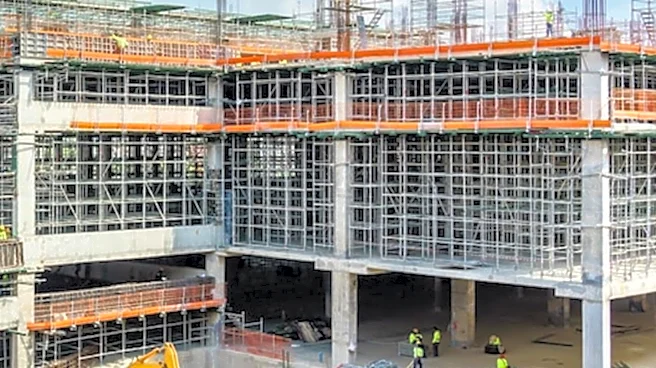
Waiākea High School on the Big Island is commencing construction on a new Health Learning Lab, part of the statewide 'Aulama I Ke Ola initiative. This facility aims to expand healthcare career pathways for students by providing a hospital-like setting
on campus for clinical scenarios and skills training with medical equipment. The project is a collaboration between the Healthcare Association of Hawaiʻi (HAH), the state Department of Education, and Hawaiʻi 3Rs. The new lab will convert the existing 9,297-square-foot library space, nearly triple the size of a similar facility at Waiʻanae High School, with an estimated cost of $5.7 million. This initiative seeks to address ongoing staffing shortages in the healthcare sector by building a pipeline of local healthcare workers. The first such lab opened at Waiʻanae High School in April, featuring a 3D digital anatomy dissection platform, patient rooms, and a phlebotomy station. HAH's fourth Healthcare Workforce Initiative Report highlights progress in filling non-physician job vacancies statewide, with openings decreasing from 14% in 2024 to 11% in 2026.
Why It's Important?
This initiative is crucial for addressing the persistent healthcare workforce shortages in Hawaiʻi, particularly in rural areas like Hilo. By providing high school students with early exposure and hands-on training in healthcare, the program aims to inspire more local youth to pursue careers in the medical field. This 'grow-your-own' approach can create a sustainable workforce, reducing reliance on external recruitment and ensuring that communities have access to essential healthcare services. The state-of-the-art learning environments offer students training hours for certifications, enabling a seamless transition into entry-level roles such as patient service representatives, medical assistants, certified nursing assistants (CNA), and phlebotomists immediately after high school. Furthermore, it provides a head start for those aspiring to become nurses or doctors. The success of similar programs, like the CNA to LPN initiative, which more than doubled the local supply of Licensed Practical Nurses, demonstrates the potential for significant positive impact on the state's healthcare infrastructure and economy.
What's Next?
The Waiākea High School Health Learning Lab is expected to be completed by the summer of 2027. Following this, Farrington High School in Oʻahu is slated to be the next site for HAH's 'Aulama I Ke Ola initiative. The initial labs will serve as 'showrooms' to attract further support, with HAH's long-term goal being to establish 30 'best-in-nation' health learning labs across the Hawaiian Islands. Funding for these projects is sourced from a public-private partnership involving HAH, the Department of Education, Hawaiʻi 3Rs, the state Legislature, and private and philanthropic donors. HAH also plans to launch a pilot 'earn and learn' program next year for LPNs transitioning to RNs, building on the success of previous initiatives. These efforts are expected to continue reducing healthcare job vacancies and strengthening the local healthcare workforce.
Beyond the Headlines
The establishment of these health learning labs represents a significant shift in educational and workforce development strategies, emphasizing practical, hands-on training at the high school level. This model not only addresses immediate workforce needs but also fosters a deeper connection between students and their local communities by encouraging them to pursue careers that serve their home islands. The initiative highlights the importance of collaborative partnerships between educational institutions, healthcare organizations, and government bodies in tackling complex societal challenges. Ethically, it promotes equitable access to career opportunities for students, particularly those in rural areas, and ensures that healthcare services remain robust and accessible across the state. This proactive approach to workforce development could serve as a blueprint for other states facing similar healthcare staffing crises, demonstrating how early intervention and specialized training can create a resilient and locally committed professional base.