



What's Happening?
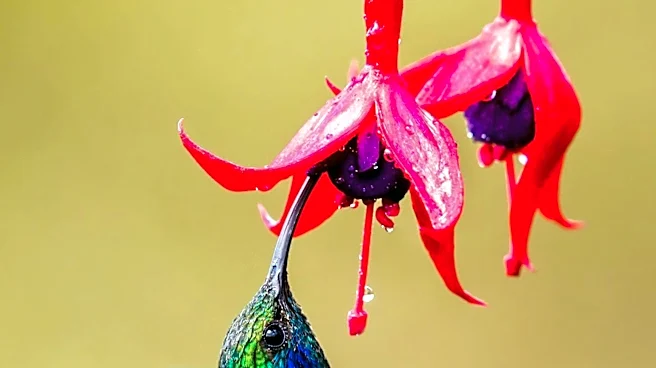
Experts advise keeping hummingbird feeders active well into the fall season to provide a crucial food source for migrating hummingbirds. While adult male hummingbirds typically begin their southward migration as early as July, females and younger birds follow
later in the summer and early fall. Migration timing varies by species and geographic location, with some late migrants appearing as late as November or even early winter in certain areas. Not all hummingbirds leave the United States for the winter; several species or populations reside in parts of the Gulf Coast, Southwest, and Pacific Coast during colder months. It is recommended to wait at least two to three weeks after observing the last hummingbird before removing feeders to ensure late migrators have access to food. Maintaining feeders with a simple sugar water solution and regular cleaning is essential, as feeders do not prevent birds from migrating, which is primarily triggered by natural cues like daylight hours.
Why It's Important?
This guidance is important for wildlife conservation efforts across the U.S., particularly for species like hummingbirds that undertake extensive migrations. Providing consistent food sources during migration periods can significantly impact the survival rates of these birds, especially those that are late to migrate or encounter unexpected weather changes. For U.S. residents, participating in this practice contributes to local biodiversity and ecological health. It also highlights the interconnectedness of ecosystems and the role individuals can play in supporting wildlife. The advice counters a common misconception that feeders might deter migration, emphasizing that natural cues, not food availability, drive these seasonal movements. This information is crucial for backyard bird enthusiasts and environmental educators in promoting responsible wildlife interaction.
What's Next?
As fall progresses, U.S. residents in various regions are encouraged to maintain their hummingbird feeders, ensuring they are clean and filled with a simple sugar water solution. This practice should continue for several weeks after the last hummingbird sighting to support any lingering or late-migrating birds. Educational campaigns by wildlife organizations and local nature centers may reinforce these recommendations, providing guidance on feeder maintenance and migration patterns. Researchers will continue to monitor hummingbird populations and migration routes, potentially refining advice based on climate patterns and bird behavior. The ongoing effort to support migrating hummingbirds will remain a key aspect of backyard conservation throughout the fall and early winter months.
Beyond the Headlines
The simple act of maintaining a hummingbird feeder in the fall touches upon broader themes of human-wildlife interaction and environmental stewardship. It underscores the increasing awareness of how human activities, even seemingly minor ones, can impact wildlife populations, especially in the face of climate change and habitat loss. The reliance of migrating birds on consistent food sources highlights the fragility of their journeys and the importance of creating supportive environments. This practice also fosters a deeper connection between people and nature, encouraging observation and appreciation of local ecosystems. Ethically, it represents a commitment to caring for vulnerable species, reflecting a growing societal value placed on biodiversity and ecological balance. It's a small but significant way individuals can contribute to larger conservation goals.