







What's Happening?
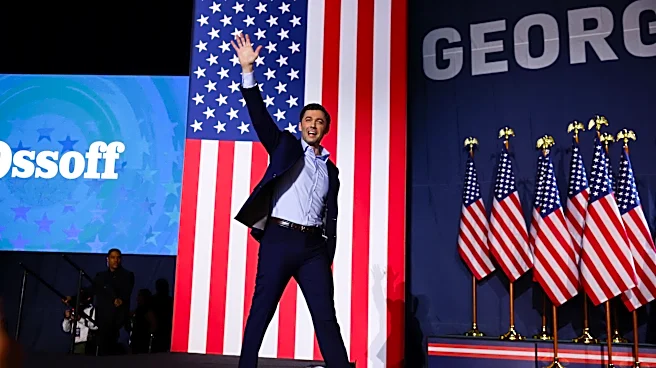
U.S. Senator Jon Ossoff has announced his cosponsorship of the NOPAIN for Veterans Act, a bipartisan bill aimed at expanding access to non-opioid pain treatments for veterans. This legislation, originally introduced by Senators Shelley Moore Capito (R-WV)
and Jeanne Shaheen (D-NH), seeks to address existing gaps in care within the VA National Formulary. The primary goal is to provide veterans with alternatives to opioid-based pain management, thereby helping to prevent addiction. Senator Ossoff emphasized the significant sacrifices made by veterans and the prevalent issue of substance abuse and addiction upon their return home. He stated that the bill would enable the VA to more quickly offer safe pain management treatments and protect veterans from addiction. This initiative is part of Senator Ossoff's ongoing efforts to support veterans and combat addiction within Georgia communities.
Why It's Important?
The NOPAIN for Veterans Act is crucial for addressing the opioid crisis among the veteran population, a demographic particularly vulnerable to substance abuse due to combat-related injuries and psychological trauma. By expanding access to non-opioid treatments, the bill aims to reduce reliance on addictive painkillers, which could significantly lower rates of opioid addiction and overdose deaths among veterans. This legislative effort highlights a bipartisan commitment to improving healthcare services for those who have served, recognizing that comprehensive care extends beyond immediate medical needs to include long-term well-being and addiction prevention. The bill's passage would not only enhance the quality of life for many veterans but also potentially reduce the economic and social burdens associated with opioid addiction on healthcare systems and communities across the U.S.
What's Next?
The NOPAIN for Veterans Act will proceed through the legislative process, requiring votes in both the Senate and the House of Representatives. Its bipartisan introduction by Senators Capito and Shaheen, and subsequent cosponsorship by Senator Ossoff, indicates a strong likelihood of continued support. The bill's success will depend on its ability to garner sufficient votes and navigate potential amendments. If enacted, the Department of Veterans Affairs (VA) would be tasked with implementing the provisions, which would involve updating the VA National Formulary to include a wider range of non-opioid pain treatments and ensuring that veterans are informed about and have access to these alternatives. This could lead to significant changes in pain management protocols within the VA healthcare system, potentially serving as a model for broader healthcare reforms.
Beyond the Headlines
Beyond its immediate impact on veterans' healthcare, the NOPAIN for Veterans Act reflects a broader shift in medical philosophy towards more holistic and less addictive pain management strategies. The emphasis on non-opioid treatments acknowledges the long-term consequences of the opioid crisis and seeks to mitigate future harm. This legislative push could also stimulate research and development into new non-addictive pain therapies, benefiting not only veterans but the general population as well. Furthermore, the bipartisan nature of the bill underscores a rare area of consensus in U.S. politics, demonstrating that issues affecting veterans can often transcend partisan divides. This collaborative approach could set a precedent for addressing other complex public health challenges, highlighting the potential for effective policy-making when focused on shared national priorities.