






What's Happening?
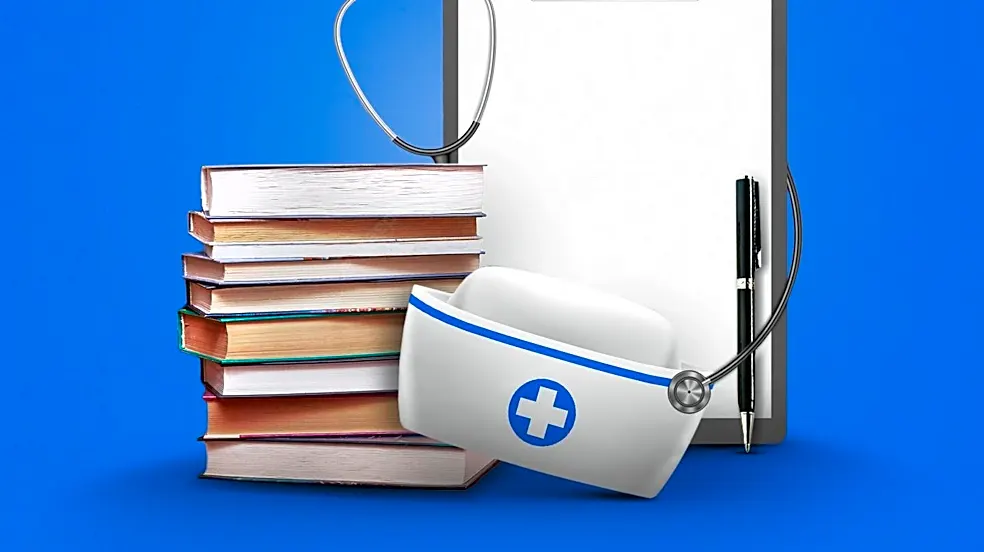
The University of Hawai'i at Hilo (UH Hilo) is actively working to alleviate the critical nursing shortage in Hawai'i by expanding its nursing program. The Hawai'i State Legislature has funded five new faculty positions for the UH Hilo nursing program,
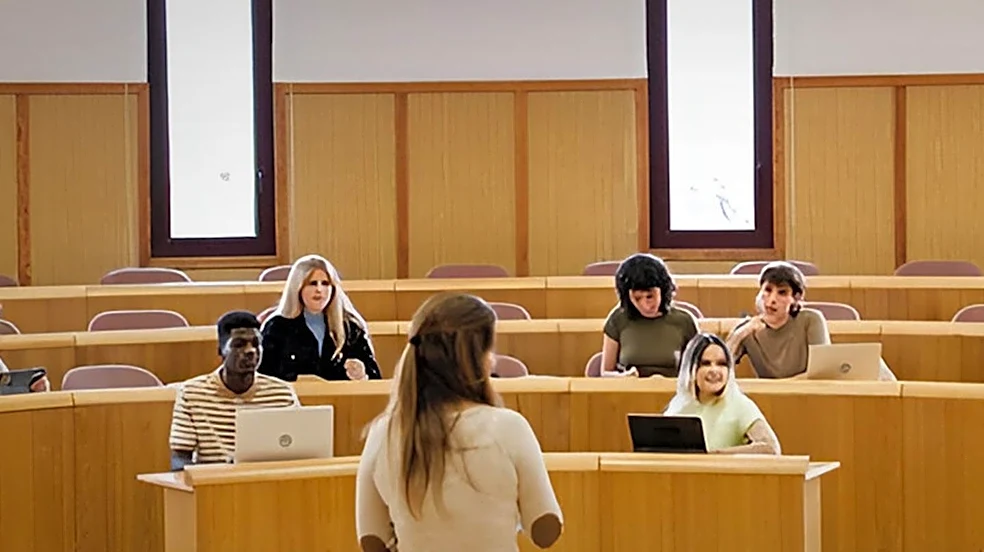
enabling an increase in class sizes. The incoming class grew from 30 to 40 students this year, with plans to admit 50 students next year. Additionally, UH Hilo has introduced a new High-School Direct Entry pathway, which reserves seats in the nursing cohort for qualified local high school seniors. This initiative aims to train more nurses locally and encourage them to remain on Hawai'i Island to serve their communities. Professor Jeanette Ayers-Kawakami, Director of the UH Hilo School of Nursing, emphasized that the nursing shortage is particularly acute in rural areas of the neighbor islands.
Why It's Important?
Hawai'i faces a significant nursing shortage, which disproportionately affects rural communities on islands like Hawai'i, Maui, and Kaua'i. Nurses are considered the frontline of healthcare, crucial for patient care, recognizing critical changes, and saving lives. The expansion of UH Hilo's nursing program directly addresses this workforce gap by increasing the number of trained healthcare professionals. By funding new faculty positions, the state is investing in the long-term health infrastructure of Hawai'i. The High-School Direct Entry pathway is particularly important as it creates a pipeline for local talent, encouraging students to pursue nursing careers and commit to working within their home communities, thereby reducing the reliance on external recruitment and fostering a more stable local healthcare workforce. This localized approach is vital for ensuring equitable access to healthcare services across the state.
What's Next?
The UH Hilo nursing program plans to further increase its incoming class size to 50 students next year, continuing its efforts to graduate more nurses. The High-School Direct Entry pathway will likely continue to attract local students, strengthening the connection between education and local workforce needs. The success of these initiatives will be monitored to assess their impact on the statewide nursing shortage, particularly in rural areas. There may be further calls for state funding and support to sustain and expand such programs, potentially inspiring similar models in other healthcare fields facing shortages. The long-term goal is to create a self-sufficient nursing workforce that can adequately meet the healthcare demands of Hawai'i's diverse population.
Beyond the Headlines
The nursing shortage in Hawai'i reflects a broader national trend of healthcare workforce challenges, often exacerbated in remote or island communities. The UH Hilo initiative highlights the critical role of local educational institutions in addressing regional labor market demands and fostering community resilience. By training local students who are committed to staying in Hawai'i, the program not only fills immediate staffing needs but also strengthens community ties and cultural understanding within healthcare delivery. This approach can lead to more culturally competent care and better health outcomes for the local population. The emphasis on retaining local talent also has economic implications, as it keeps skilled professionals within the state, contributing to the local economy and reducing brain drain. This model could serve as a blueprint for other regions facing similar workforce challenges.