



What's Happening?
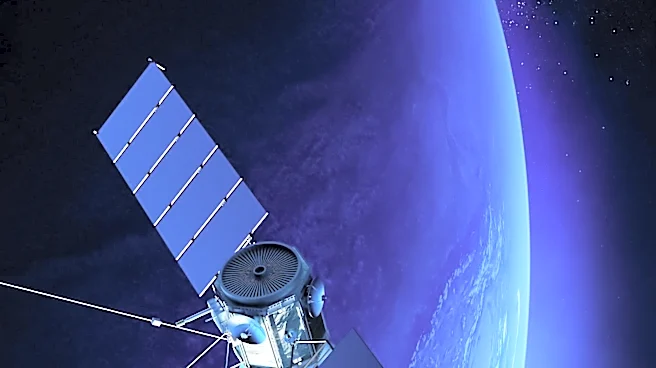
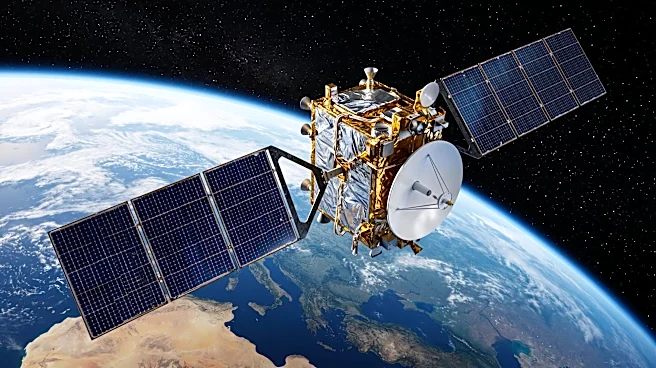
Dr. David Voss, Director of the Space Warfighting Analysis Center (SWAC) of the U.S. Space Force, highlighted the critical importance of resilient space architectures and the integration of commercial and allied capabilities. During a podcast, Dr. Voss discussed
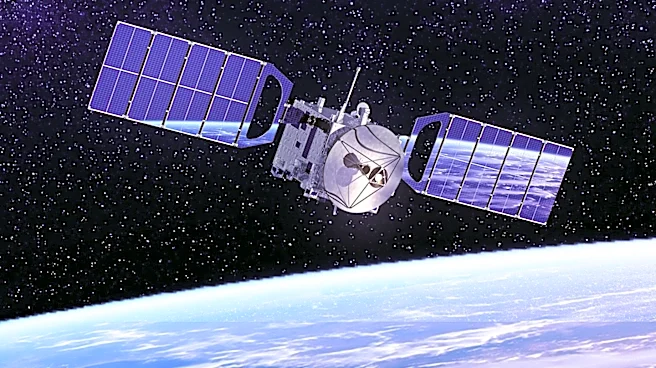
how SWAC's analysis informs Space Force budget decisions to provide warfighting capabilities. He emphasized that true resilience in space operations involves designing systems that can continue to deliver essential capabilities even when facing interruptions from natural causes or adversary actions. This includes moving away from homogeneous systems to hybrid architectures that incorporate diverse technologies and approaches. The discussion also touched upon the need for improved ground segments, open standards, and the role of artificial intelligence in managing complex space data paths.
Why It's Important?
The insights from Dr. Voss underscore a fundamental shift in how the U.S. Space Force is approaching national security in the space domain. The move towards hybrid architectures and enhanced resilience is vital for maintaining strategic advantage in an increasingly contested environment. By integrating commercial and allied services, the Space Force aims to create a more robust and adaptable infrastructure, reducing reliance on single points of failure. This strategy has significant implications for the U.S. defense industry, encouraging innovation in satellite technology, ground systems, and data management. Furthermore, the emphasis on open standards promotes interoperability and collaboration, which can foster a more integrated and efficient space ecosystem, benefiting both military and civilian applications. The discussion on AI's role highlights the potential for advanced analytics to manage the complexity of future space operations, ensuring continuous and effective service delivery.
What's Next?
The Space Force will continue to prioritize investments in capabilities that support a resilient and hybrid space architecture. This includes further development of ground segments to ensure seamless data flow and distribution, as well as the adoption of open standards to facilitate integration with commercial and international partners. Dr. Voss suggested that the community needs to mature in manufacturing readiness levels for smallsats and focus on providing constant connectivity. There will be an ongoing effort to leverage artificial intelligence to manage the complexity of large, heterogeneous architectures and optimize data routing. The Space Force is also exploring how to provide more dedicated Position, Navigation, and Timing (PNT) signals for the space service volume, which could be transformative for future space missions. The goal is to create an ecosystem where networks are robust and adaptable, enabling continuous learning and rapid deployment of new capabilities.
Beyond the Headlines
The conversation around space architecture resilience extends beyond immediate military applications, touching upon broader themes of technological evolution and international cooperation. The concept of 'graceful degradation' in the face of threats suggests a proactive approach to system design, acknowledging that perfect invulnerability is unattainable. This philosophical shift could influence how other critical infrastructures are designed and protected. The call for open standards and collaboration with commercial and allied partners reflects a recognition that no single entity can address the complexities of the space domain alone. This collaborative model could lead to a more interconnected global space economy, fostering shared innovation and mutual security. The cautious optimism regarding AI's role highlights the ongoing debate about automation and human oversight in critical systems, particularly in high-stakes environments like space operations, where the consequences of errors can be severe.