





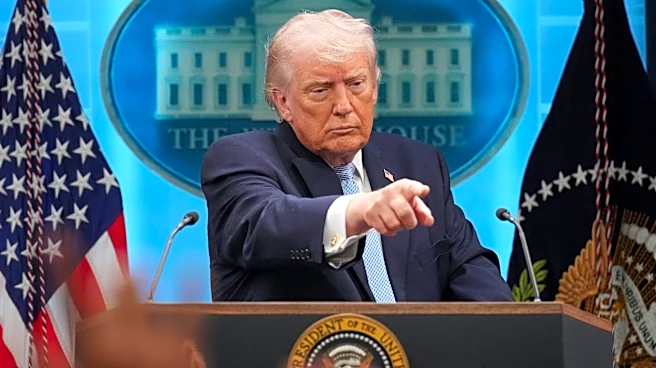
What's Happening?
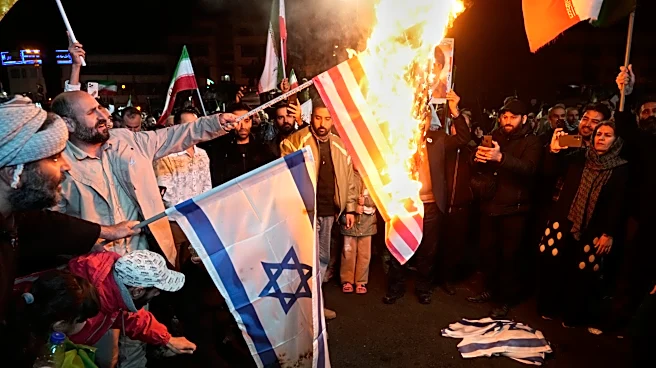
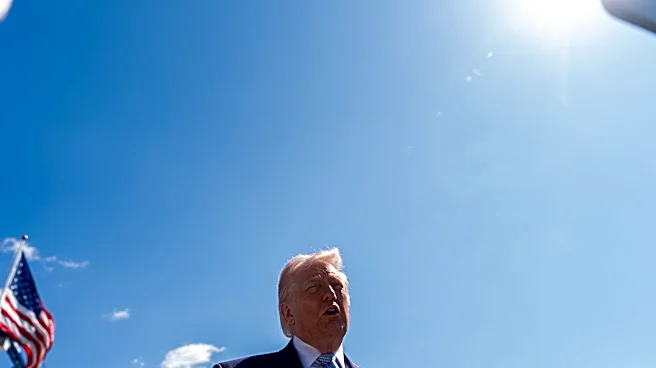
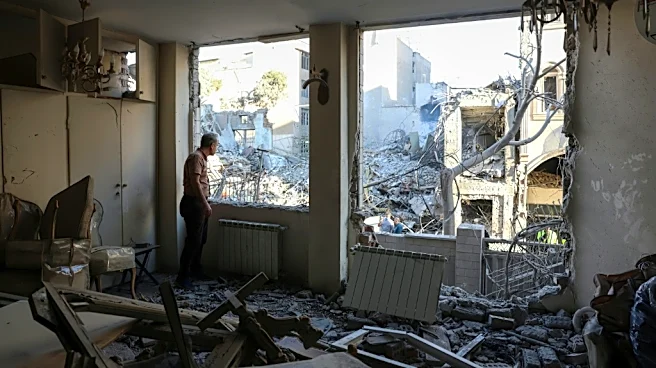
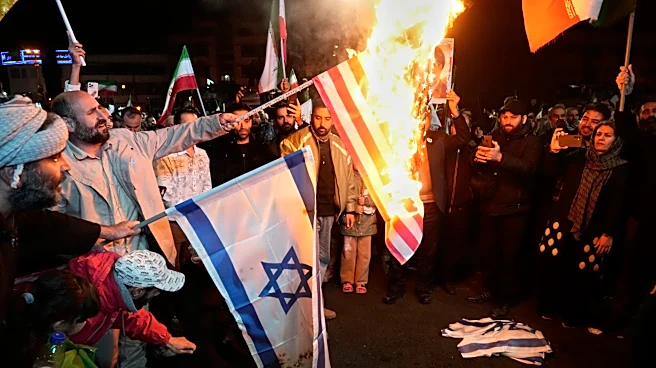
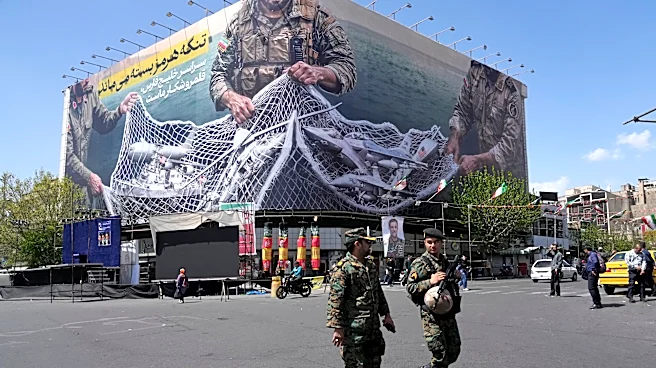
President Trump announced a 14-day ceasefire with Iran, marking a dramatic shift from previous threats of 'annihilation.' The ceasefire, brokered with the help of Pakistan and China, aims to de-escalate the nearly six-week conflict. However, the agreement's
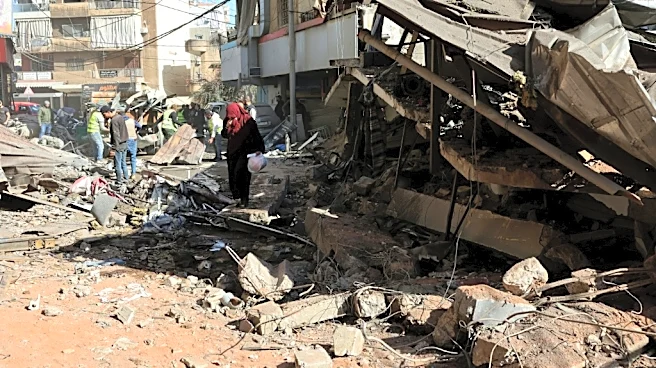
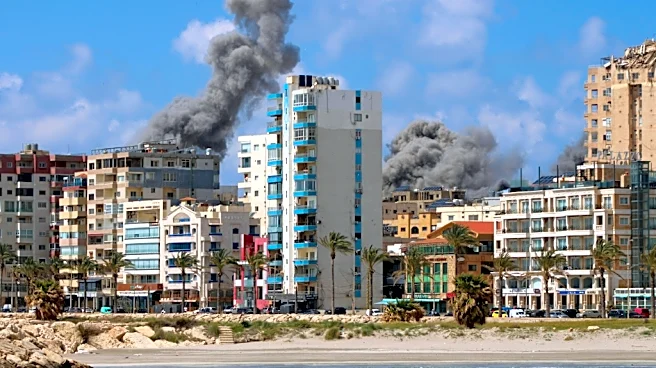
terms are already under dispute, particularly regarding the reopening of the Strait of Hormuz and the inclusion of Lebanon in the ceasefire. Iran insists that the ceasefire includes an end to Israeli operations in Lebanon, a claim denied by both Trump and Israeli Prime Minister Benjamin Netanyahu. The U.S. demands Iran reopen the strait, which was closed in response to Israeli attacks on Hezbollah in Lebanon.
Why It's Important?
The ceasefire is crucial for reducing immediate military tensions and stabilizing global oil markets, as the Strait of Hormuz is a vital oil transit route. However, the conflicting interpretations of the ceasefire terms highlight the fragility of the agreement and the potential for renewed hostilities. The situation underscores the complexities of Middle Eastern diplomacy and the challenges of achieving a lasting peace. The involvement of major powers like China and Pakistan in brokering the ceasefire reflects the global stakes involved.
What's Next?
Vice President JD Vance is set to lead a U.S. delegation to Pakistan for further talks aimed at reaching a permanent agreement. The success of these negotiations will depend on resolving the current disputes over the ceasefire's scope and terms. The international community will be closely watching these developments, as they have significant implications for regional stability and global economic interests.