





What's Happening?
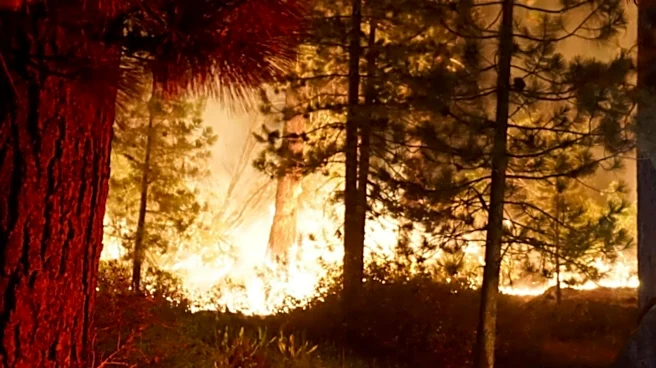
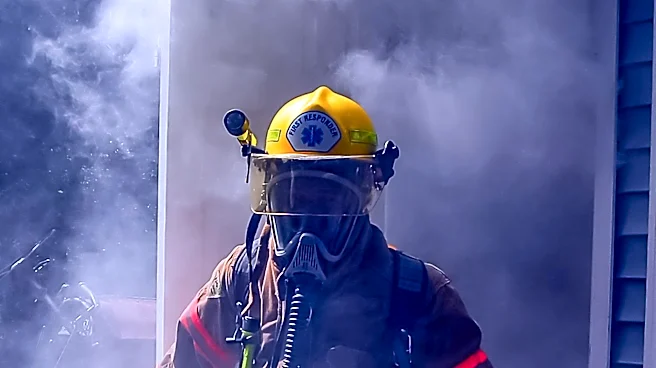
Officer Justin Cebulski of the Aurora Police Department has been recognized for his heroic actions in helping seven residents evacuate during a house fire in late September on the city's West Side. Cebulski arrived at the scene in the 1100 block of North
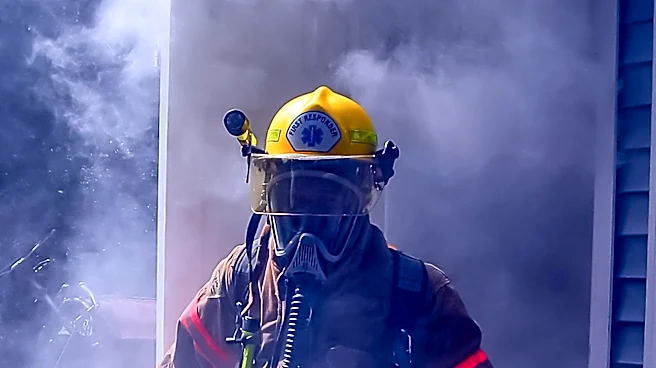
Randall Road before the fire department. Body-worn camera footage shows him speaking with evacuating residents to determine if others were still inside. Despite a language barrier, he confirmed several people remained. Cebulski then called into the home to alert occupants and continued to account for everyone. Upon learning one person was still inside, he entered the burning home, kicked down a door, and located a man who had been asleep, assisting him to safety. All occupants were outside by the time firefighters arrived. Aurora Police Chief Matt Thomas commended Cebulski for his 'steady focus and decisive action' and the 'care he showed for the people in that home.' The cause of the fire remains under investigation by the Aurora Fire Department.
Why It's Important?
This incident highlights the critical role police officers often play as first responders in emergencies beyond typical law enforcement duties. Officer Cebulski's actions demonstrate exceptional bravery and dedication to public safety, potentially saving lives by acting swiftly and decisively before fire department personnel could arrive. His ability to overcome a language barrier to ensure all residents were accounted for underscores the importance of communication skills in emergency situations. Such acts of heroism can significantly boost community trust and morale, showcasing the protective and service-oriented aspects of policing. The recognition of Officer Cebulski also serves as an example of the diverse and often dangerous responsibilities undertaken by police officers, extending beyond crime prevention to include immediate life-saving interventions during disasters.
What's Next?
The Aurora Fire Department will continue its investigation to determine the cause of the fire. Officer Cebulski's recognition by the Aurora Police Department may lead to further commendations or awards at local or state levels. This event could also be used as a case study in police training programs, emphasizing the importance of rapid assessment, communication, and decisive action in multi-hazard emergencies. The community will likely continue to express gratitude for Officer Cebulski's actions, reinforcing positive perceptions of local law enforcement. The displaced residents will require support and resources as they recover from the fire, and local community organizations may step in to assist.
Beyond the Headlines
Officer Cebulski's actions underscore the inherent risks faced by first responders and the often-unpredictable nature of their duties. Beyond the immediate heroism, this event could spark discussions about inter-agency coordination during emergencies, particularly when police arrive before fire services. It also subtly highlights the challenges of diverse communities, where language barriers can complicate emergency response, and the need for culturally competent training for first responders. The incident serves as a powerful narrative that can help bridge gaps between law enforcement and the communities they serve, reminding the public of the human element and selflessness often demonstrated by officers in critical situations. It also implicitly raises questions about residential fire safety and the importance of working smoke detectors and emergency preparedness, especially for vulnerable populations.