







What's Happening?
The Historic Electric Vehicle Foundation (HEVF) has acquired a new 20,000-square-foot facility in Historic Downtown Kingman, Arizona, with plans to open a world-class electric vehicle museum by 2027. This expansion follows a partnership with the City
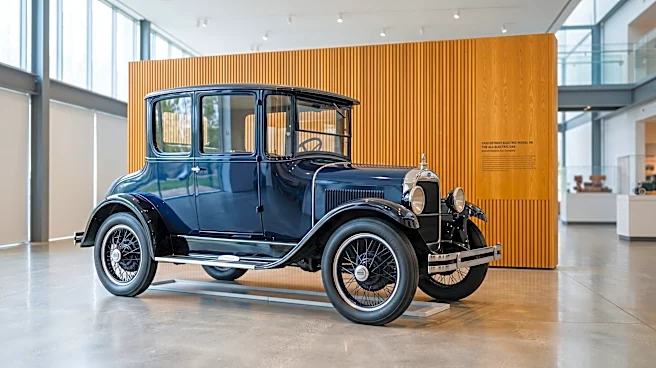
of Kingman Office of Tourism, which has co-operated the World’s first Electric Vehicle Museum since 2014. The current museum, located at the Kingman Visitor Center, is a 3,600-square-foot space housing only 35 of the Foundation's collection of over 125 electric vehicles. The new facility will allow for a significantly larger display of the HEVF's extensive collection, which includes a 1909 Ellwell-Parker baggage tug, the world’s first electric street rod built in 1995, a 1930 Detroit Electric, and various California-manufactured electric micro cars from the 1940s, 50s, and 60s. Notable exhibits also feature EV golf carts once owned by Willie Nelson and Waylon Jennings, and the Buckeye Bullet 2.5, which was once the fastest EV globally.
Why It's Important?
The establishment of a world-class electric vehicle museum in Kingman, Arizona, signifies a growing recognition of the historical and technological evolution of electric vehicles in the United States. This initiative will preserve and showcase the pioneering efforts in EV development, offering educational opportunities about the long history of electric transportation, which predates modern internal combustion engines in some forms. The museum's expanded capacity will allow for a more comprehensive narrative of EV innovation, from early models to record-breaking speed vehicles. This development could also boost tourism in Kingman, particularly along Route 66, attracting enthusiasts and the general public interested in automotive history and sustainable technology. It highlights the enduring legacy and future potential of electric vehicles, reinforcing their role in the nation's transportation landscape.
What's Next?
The Historic Electric Vehicle Foundation will proceed with the development of the new 20,000-square-foot facility in Kingman, Arizona, aiming for a grand opening by 2027. This period will likely involve significant curation, exhibit design, and preparation to transfer and display the expanded collection of over 125 electric vehicles. The museum is expected to become a prominent attraction, drawing visitors interested in the history and future of electric transportation. The HEVF will continue its mission of promoting EV awareness, potentially through educational programs and partnerships, building on the legacy of pioneers like Ed Rannberg, for whom an annual award is named. The success of this museum could inspire similar initiatives, further solidifying the historical context of electric vehicles within the broader automotive industry.
Beyond the Headlines
The creation of a dedicated, large-scale electric vehicle museum reflects a broader cultural shift towards acknowledging and celebrating sustainable transportation. Beyond showcasing historical artifacts, the museum will serve as a tangible link between the past and future of mobility, illustrating that electric vehicles are not a new concept but rather a re-emerging technology with a rich history. This initiative could foster greater public understanding and acceptance of EVs by demonstrating their evolution and potential, addressing common misconceptions about their novelty or limitations. It also underscores the importance of preserving technological heritage, providing a physical space for learning and engagement that complements ongoing advancements in electric vehicle technology and infrastructure. The museum's presence on Route 66 further intertwines the narrative of American road travel with the future of sustainable transport.