








What's Happening?
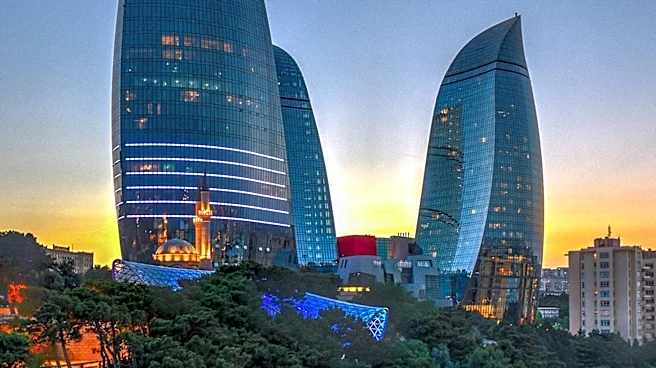
Negotiations between Azerbaijan and the European Union (EU) have marked a new phase in their relationship, moving past the tensions following the 2023 fall of Nagorno-Karabakh. The two parties have provisionally concluded their Partnership Priorities
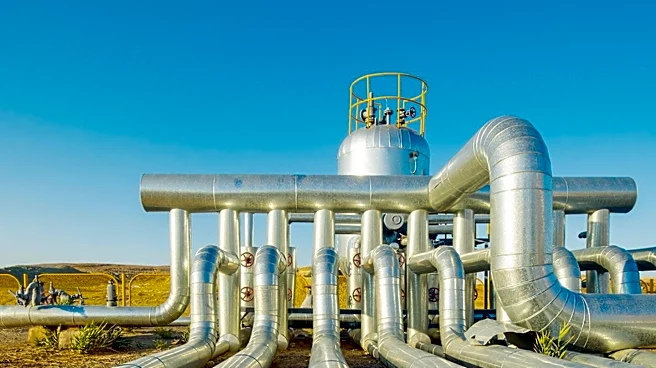
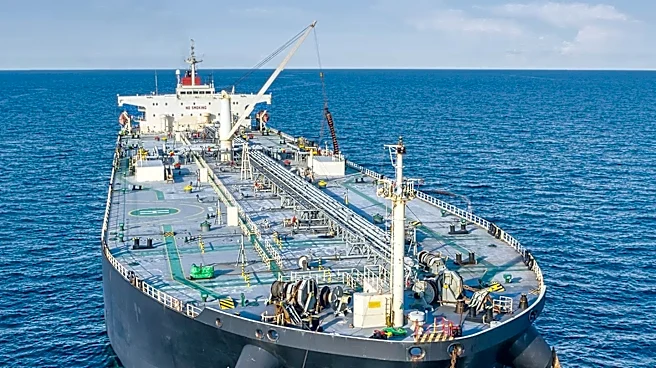
for 2026-2030 and resumed talks on a comprehensive bilateral agreement to replace the existing framework from 1999. The discussions have focused on energy security, regional connectivity, and trade, with Azerbaijan aiming to diversify its economy and the EU seeking to phase out Russian gas imports. Azerbaijan has become a crucial partner for the EU, especially for Southern and Central European countries looking to diversify their gas imports. The country exported approximately 12.8 billion cubic meters of gas to Europe in 2025, and new deliveries to Germany and Austria began in early 2026.
Why It's Important?
The evolving relationship between Azerbaijan and the EU is significant for both parties. For the EU, Azerbaijan represents a strategic partner in its efforts to reduce dependency on Russian energy supplies, particularly in light of the ongoing geopolitical tensions in the region. The EU's commitment to energy security and diversification aligns with Azerbaijan's goals of economic diversification and increased European investment. This partnership could lead to enhanced regional stability and economic growth, benefiting both Azerbaijan and EU member states. Additionally, the focus on renewable energy projects and regional connectivity highlights a shift towards sustainable development and cooperation beyond hydrocarbons.
What's Next?
The next steps involve finalizing the comprehensive bilateral agreement, which will provide a more stable legal and institutional framework for cooperation. Both parties are expected to continue negotiations on energy, trade, and connectivity projects, including the proposed Black Sea green-energy corridor. The EU's interest in supporting infrastructure modernization in the region, such as the Baku-Tbilisi-Kars railway and the Alat port, indicates a long-term commitment to regional development. The successful implementation of these projects could further solidify Azerbaijan's role as a key player in Eurasian geopolitics and enhance its economic ties with Europe.