





What's Happening?
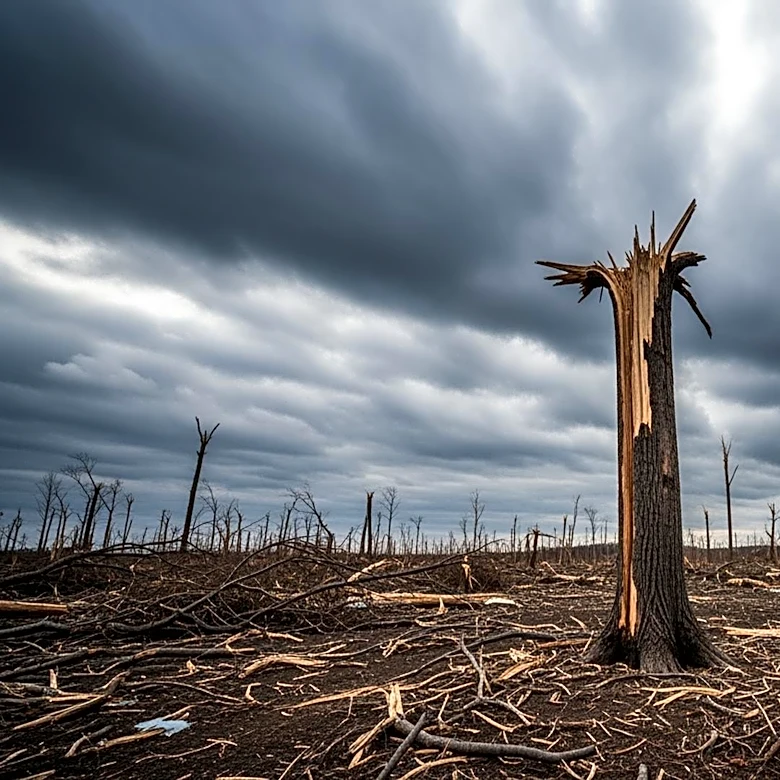
The northwest Pacific is bracing for an intense typhoon season, driven by the anticipated development of a strong El Niño event through summer and autumn 2026. This climatic phenomenon typically enhances typhoon activity by displacing warmer waters farther
east, leading to more frequent and severe storms. Already, the region has experienced Super Typhoon Sinlaku, which rapidly intensified into a Category 5 storm with 175 mph winds, causing significant destruction in the Northern Mariana Islands and Guam. The Tropical Storm Risk (TSR) forecast predicts a 25% increase in activity compared to the 1991-2020 climatology, with expectations of 27 tropical storms, 18 typhoons, and 11 major typhoons.
Why It's Important?
The intensification of the typhoon season poses significant risks to island communities in the northwest Pacific, particularly in terms of infrastructure damage and economic losses. The increased frequency and severity of storms could lead to higher costs for disaster response and recovery, impacting local economies and livelihoods. Additionally, the potential for more major typhoons raises concerns about the safety and resilience of communities in the path of these storms. The situation underscores the need for enhanced preparedness and adaptation strategies to mitigate the impacts of climate-related extreme weather events.
What's Next?
As the El Niño event develops, monitoring and forecasting efforts will be crucial in providing timely warnings and enabling effective disaster preparedness. Governments and local authorities in the affected regions are likely to enhance their emergency response plans and infrastructure resilience to cope with the anticipated increase in typhoon activity. International aid and cooperation may also play a role in supporting recovery efforts and building long-term resilience against future climatic events.