

What's Happening?
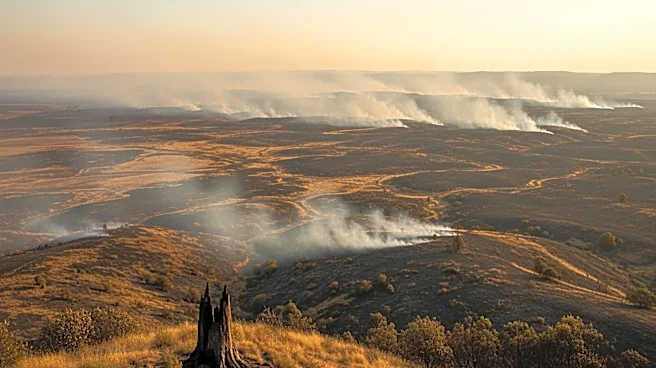
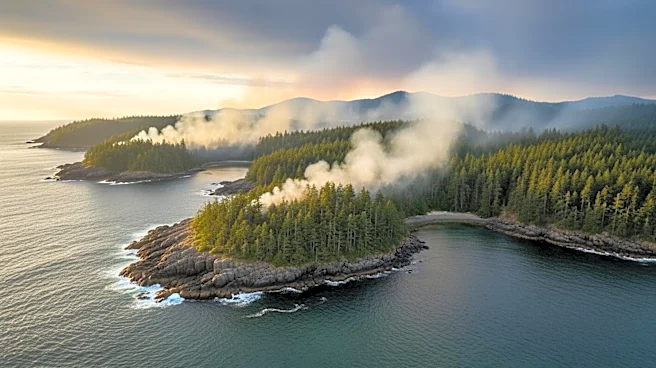
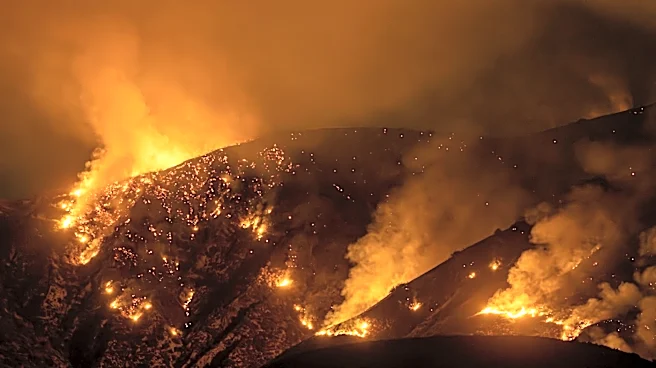
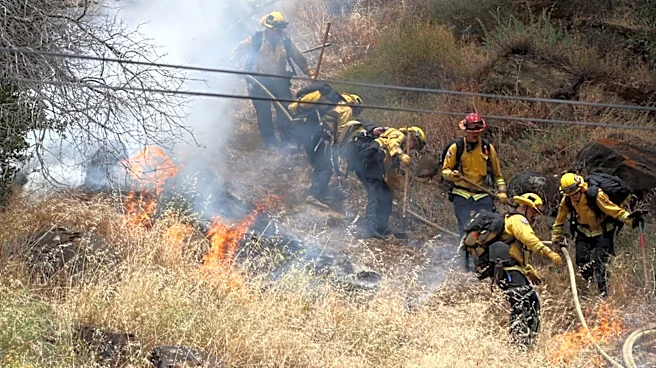
A massive wildfire recently scorched approximately one-third of Santa Rosa Island, part of Channel Islands National Park, threatening its unique ecosystem. The fire, which burned 18,379 acres, was contained by firefighters after several days of intense
effort. The island, home to rare species such as the Torrey pine and various endemic plants and animals, is now the focus of a restoration and mitigation effort led by park rangers and scientists. The Burned Area Emergency Response team is assessing the damage to guide future conservation actions. Despite the devastation, initial assessments show signs of ecological resilience, with some areas already showing regrowth.
Why It's Important?
Santa Rosa Island is an ecological treasure, hosting species found nowhere else in the world. The fire's impact on this biodiversity hotspot underscores the vulnerability of isolated ecosystems to natural disasters. The response and recovery efforts are crucial for preserving the island's unique flora and fauna, which have significant ecological and cultural value. The situation highlights the broader challenges of managing and protecting natural reserves in the face of increasing wildfire risks, potentially influencing future conservation policies and fire management strategies.
What's Next?
The island remains closed to the public as restoration efforts continue. The Burned Area Emergency Response team will finalize a report with recommendations for recovery. Long-term monitoring will be essential to track the ecosystem's recovery and adapt management strategies as needed. The incident may prompt discussions on enhancing fire prevention and response capabilities in remote and ecologically sensitive areas, potentially leading to policy changes at the state and national levels.