




What's Happening?
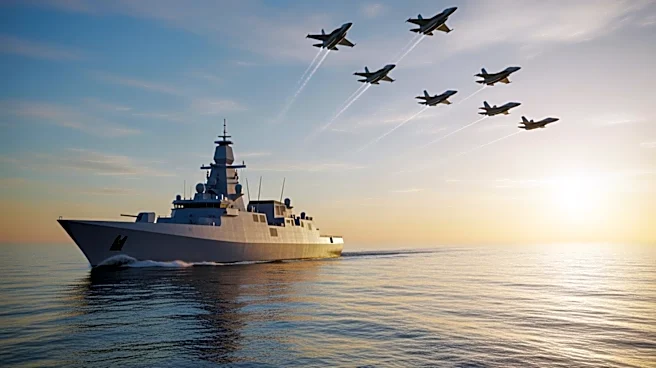
The United States has called on European NATO allies and Canada to increase their contributions of manned and unmanned aircraft and ships to the alliance's defense plans. This request follows a decision by the Trump administration to reduce the pool of U.S.
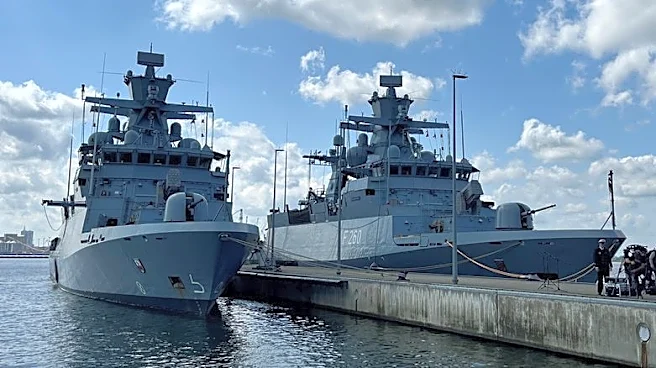
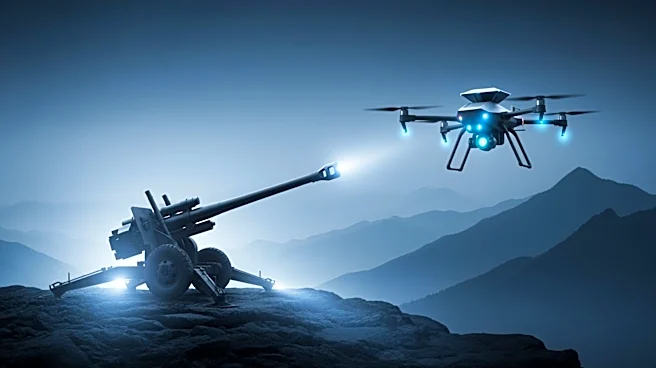
military capabilities available to NATO during a crisis. U.S. Air Force General Alexus Grynkewich, NATO's top commander, emphasized the need for European NATO members to take on more primary responsibility for the conventional defense of the continent. The U.S. plans to scale back its provision of armed reconnaissance drones, expecting Europe to provide its own. This shift is part of a broader strategy to refocus U.S. military resources elsewhere.
Why It's Important?
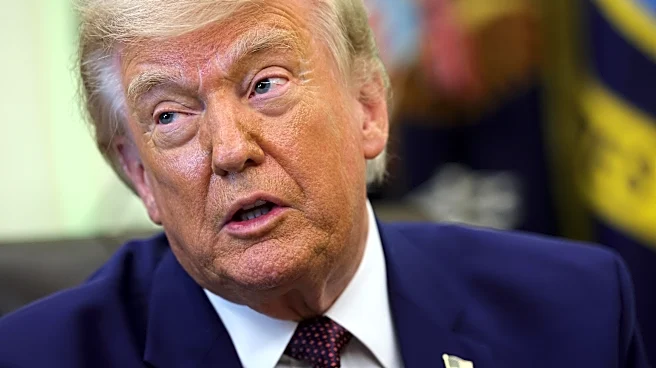
The reduction in U.S. military support to NATO could have significant implications for the alliance's defense capabilities. European countries may face increased pressure to bolster their military contributions, potentially leading to increased defense spending and strategic realignments. The move reflects President Trump's ongoing criticism of NATO and his push for European members to assume greater responsibility for their own defense. This development could strain relations within the alliance and raise concerns about the U.S.'s commitment to NATO, potentially affecting global security dynamics.
What's Next?
European NATO members and Canada are expected to respond to the U.S. call by increasing their military contributions. The upcoming NATO summit in Ankara may serve as a platform for further discussions on this issue. The U.S. reduction in available fighter jets and naval vessels could prompt European countries to reassess their defense strategies and capabilities. The alliance will need to ensure that no defense gaps emerge as a result of these changes, which may require expedited military procurement and strategic planning.