




What's Happening?
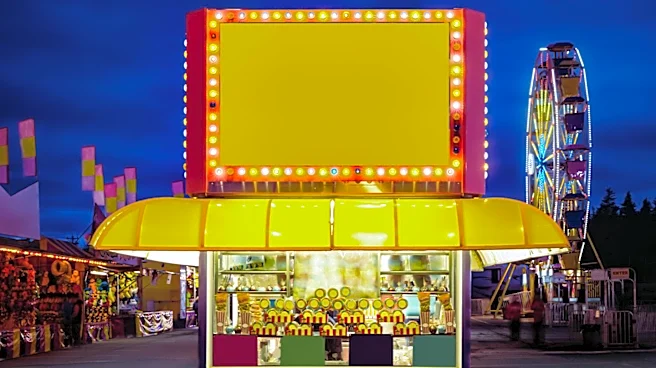
More than 200 food vendors from the Minnesota State Fair are donating their leftover food to Minnesota’s hunger relief network. This initiative is facilitated through Second Harvest Heartland and its partner food shelves. On Tuesday, donations surpassed
10,000 pounds of food, which Second Harvest CEO Sarah Moberg stated could benefit over 1,000 families. Second Harvest distributes food through a statewide network of food shelves and meal programs. Moberg emphasized the importance of this effort, especially as children return to school, noting that one in three families with children are currently struggling to afford food. Vendors such as Sweet Martha’s Cookie Jar, Fresh French Fries, and the Perfect Pickle have contributed. Second Harvest divides the donated food among its partner food shelves for distribution across the state. This year marks the first time the fair has consolidated donated food at a single pickup location, streamlining the process. Partners involved in Tuesday's efforts included Freedom Works, The Sanneh Foundation, and Loaves and Fishes.
Why It's Important?
This initiative is crucial for addressing food insecurity in Minnesota, particularly for families with children who face challenges in accessing nutritious food. The donation of over 10,000 pounds of food from the State Fair provides immediate relief to more than 1,000 families, significantly impacting their ability to put food on the table. By partnering with Second Harvest Heartland, the State Fair ensures that surplus food, which might otherwise go to waste, is redirected to those in need through an established network of food shelves and meal programs. This collaboration highlights an effective model for waste reduction and hunger relief, demonstrating how large-scale events can contribute positively to community welfare. The involvement of various community organizations like Freedom Works, The Sanneh Foundation, and Loaves and Fishes further strengthens the distribution network, ensuring that the food reaches diverse populations across the state, including those returning to the community after incarceration, as noted by Sheldon McMahon-Desmond of Freedom Works.
What's Next?
The donated food will be distributed by Second Harvest Heartland's partner food shelves and meal programs across Minnesota. Loaves and Fishes, for instance, plans to distribute food at its larger North Minneapolis warehouse, meal sites across the metro area, and a smaller facility near the University of Minnesota Twin Cities campus. People can register on the Loaves and Fishes website for community food distribution events. Freedom Works will distribute its share of the food at its North Minneapolis facility next Wednesday. The success of this year's consolidated pickup location may lead to its continuation in future State Fairs, potentially increasing the efficiency and volume of food donations. The ongoing efforts of these organizations will continue to support families and individuals facing food insecurity, especially as the school year progresses and economic challenges persist.
Beyond the Headlines
Beyond the immediate relief provided, this initiative underscores a broader shift towards more sustainable practices in large-scale events and a heightened awareness of food waste. The collaboration between the Minnesota State Fair and hunger relief organizations sets a precedent for other major events to adopt similar models, transforming potential waste into valuable resources for the community. The involvement of organizations like Freedom Works, which supports individuals returning to the community after incarceration, highlights the intersection of food insecurity with other social justice issues. By providing food, these organizations not only address a basic need but also contribute to the reintegration and well-being of vulnerable populations, fostering a sense of dignity and belonging. This effort demonstrates how strategic partnerships can create multifaceted benefits, addressing both environmental concerns related to food waste and critical social needs within the community.