
What's Happening?
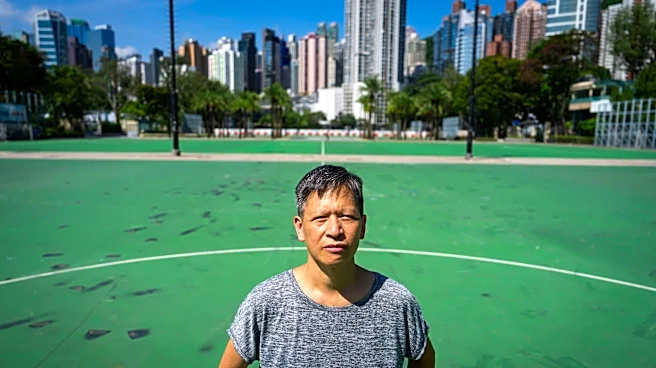
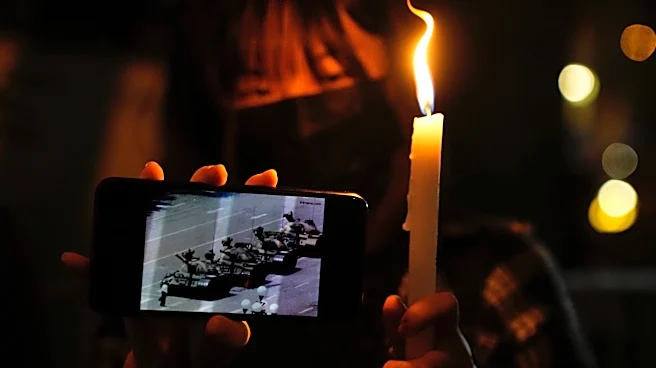
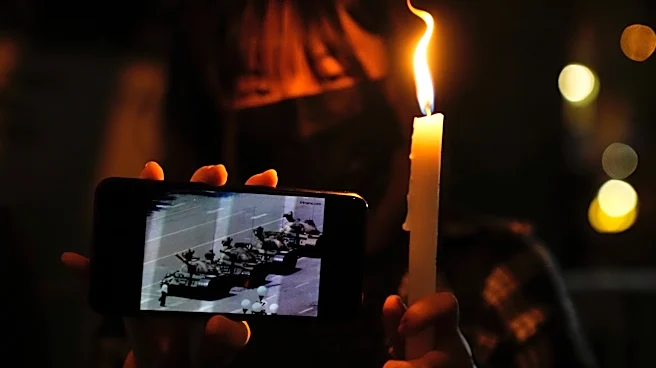
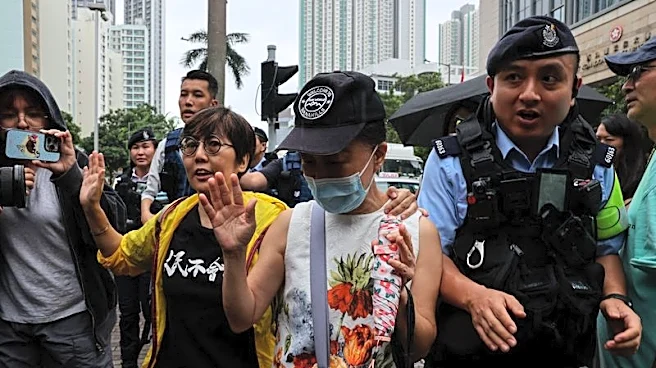
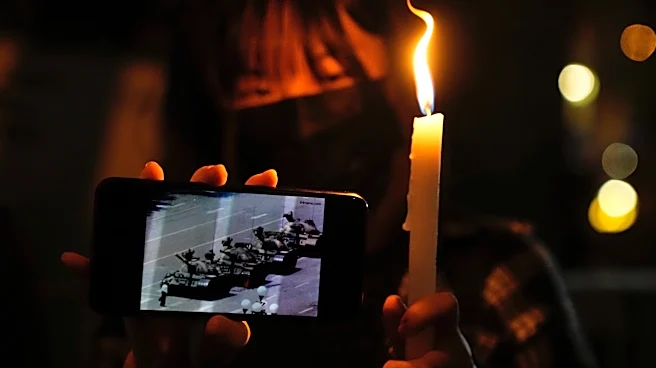
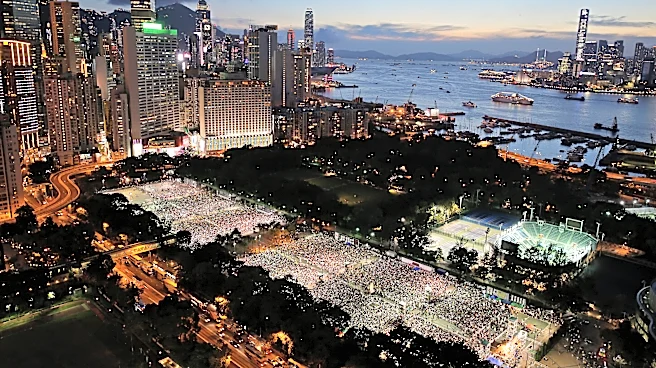
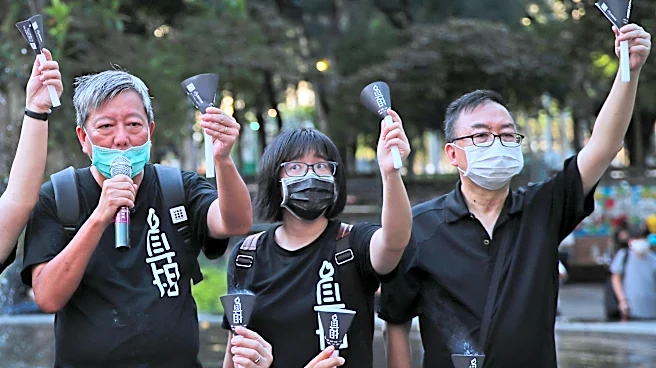
Two prominent Hong Kong activists, Lee Cheuk-yan, 69, and Chow Hang-tung, 41, have been found guilty of 'incitement to subversion.' This verdict stems from their roles as leaders of the now-disbanded Hong Kong Alliance, which organized annual vigils commemorating
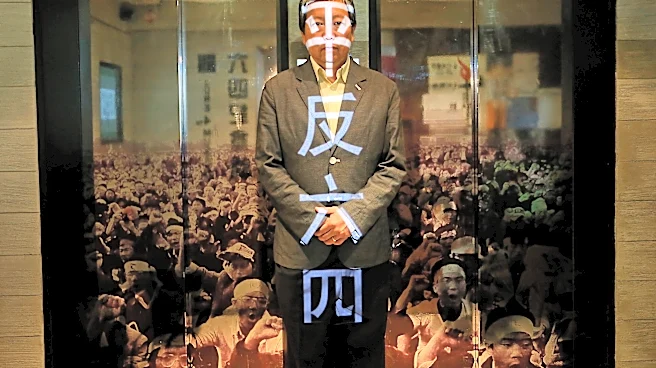
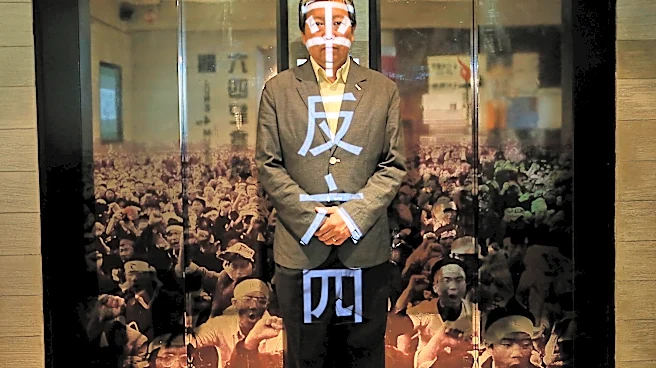
the 1989 Tiananmen Square crackdown. The court determined that the activists intended to undermine the Chinese Communist Party by fostering hostility and division, primarily through the Alliance's slogan advocating for an 'end to one-party rule.' The trial, which began in January and spanned 24 days, concluded with a press summary stating that Lee and Chow 'incited other persons to organise, plan, commit or participate in acts by unlawful means with a view to subverting the state power.' A third defendant, former lawmaker Albert Ho, 74, pleaded guilty earlier. The conviction carries a maximum penalty of 10 years in jail, with sentencing to be determined at a later date. Public commemoration of the Tiananmen crackdown has been effectively banned in Hong Kong since Beijing imposed a national security law in 2020.
Why It's Important?
This conviction marks a significant escalation in the erosion of civil liberties and freedom of expression in Hong Kong, particularly concerning historical events sensitive to Beijing. The case highlights the broad and often criticized application of the national security law, which critics argue is used to suppress dissent and reshape Hong Kong's civil society. The ability to publicly mourn and remember events like Tiananmen Square was a unique freedom previously enjoyed in Hong Kong and Macau, distinguishing them from mainland China. The verdict sends a clear message that even peaceful acts of remembrance are now considered threats to national security under the new legal framework. This development could further deter any form of public assembly or expression that could be interpreted as critical of the Chinese government, impacting the city's international standing as a hub that once prided itself on its distinct freedoms.
What's Next?
Lee Cheuk-yan and Chow Hang-tung face sentencing at a later date, with a potential maximum of 10 years in prison. This ruling is likely to solidify the chilling effect on freedom of speech and assembly in Hong Kong, potentially leading to further self-censorship among individuals and organizations. International reactions, such as the 'deep regret' expressed by France and Germany, and the UK Foreign Office's call for the repeal of the national security law, indicate continued diplomatic pressure on China regarding Hong Kong's autonomy. However, these statements have not altered Beijing's enforcement of the law. The case may also serve as a precedent for future prosecutions under the national security law, further tightening Beijing's control over the special administrative region and potentially leading to more activists either being detained or fleeing the city.
Beyond the Headlines
The conviction of Lee and Chow extends beyond a legal judgment; it represents a symbolic victory for Beijing in its efforts to rewrite Hong Kong's history and control its collective memory. By criminalizing the commemoration of the Tiananmen Square crackdown, authorities are attempting to erase a significant chapter of dissent and its remembrance from public discourse. This move has profound ethical and cultural implications, as it challenges the right to historical truth and the ability of a society to engage with its past. The case also underscores the broader geopolitical struggle between democratic values and authoritarian control, with Hong Kong serving as a critical battleground. The long-term shift could see Hong Kong's unique identity, once characterized by its freedoms and distinct legal system, increasingly assimilated into mainland China's political and social norms, impacting its role as an international financial and cultural center.