





What's Happening?
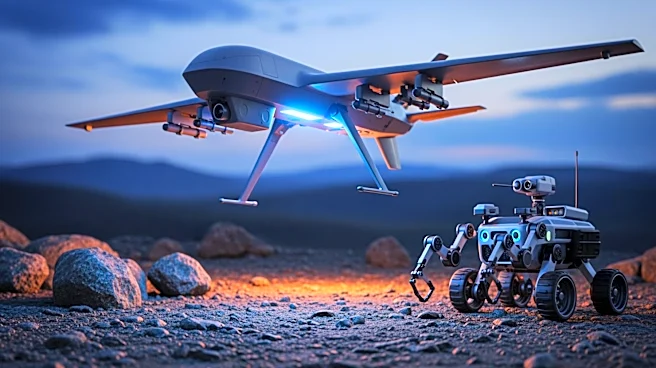
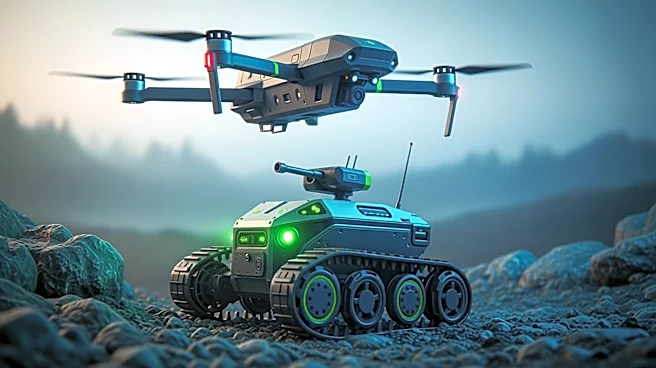
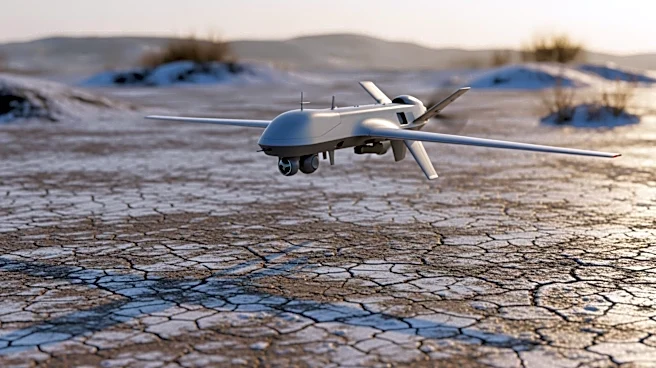
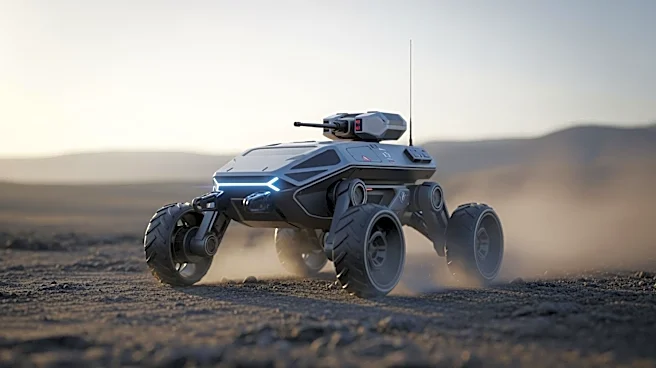
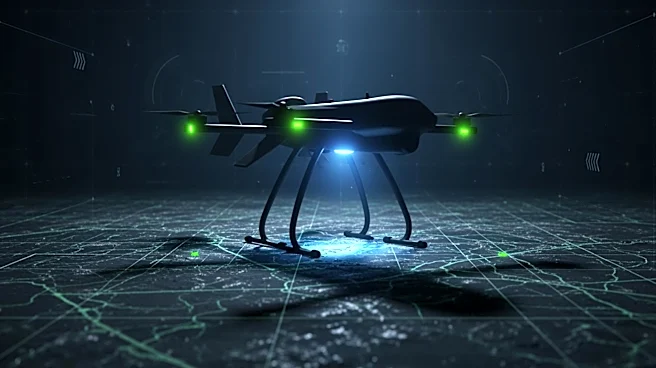
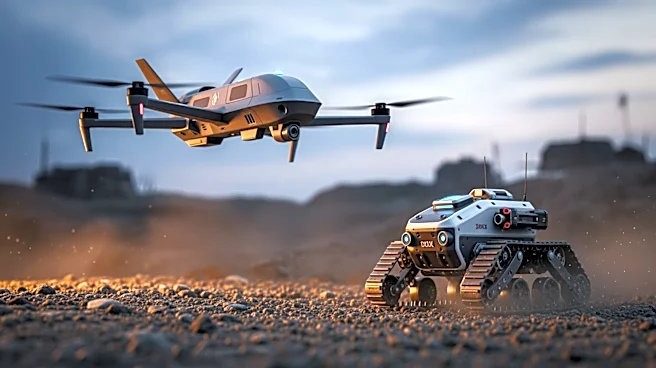
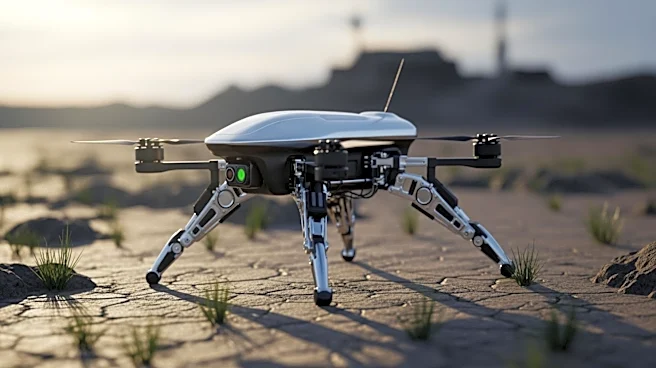
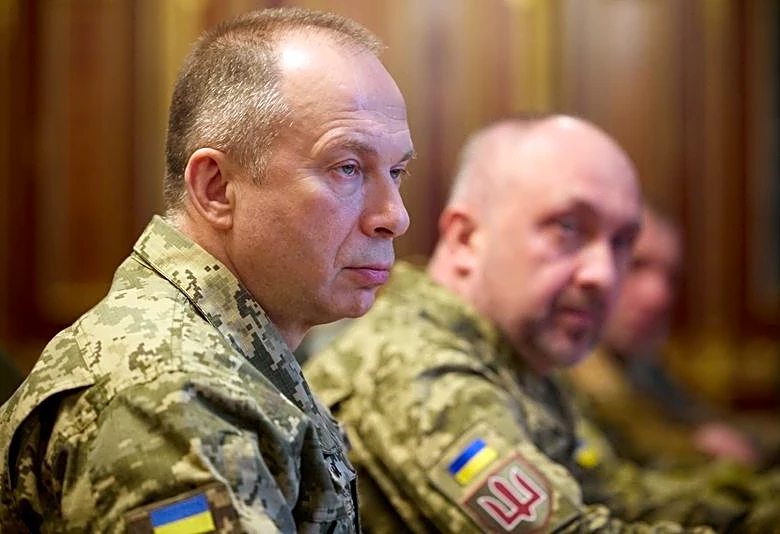
The Ukrainian military has successfully captured a Russian position using only ground robots and aerial drones, marking a significant technological advancement in the ongoing conflict. This operation, which was unassisted by any infantry, was announced
by Ukrainian President Volodymyr Zelensky. The use of robotic systems in this mission highlights Ukraine's increasing reliance on technology to enhance its military capabilities. Over the past two years, Ukraine has significantly ramped up its production and deployment of ground robots, with their use increasing nearly sixfold in 2025. These robots have been involved in over 22,000 missions, reportedly saving numerous lives by reducing the need for human soldiers in dangerous situations. The development and deployment of these robotic systems represent a strategic shift in Ukraine's defense approach, emphasizing the protection of human life through advanced technology.
Why It's Important?
This development underscores a pivotal shift in modern warfare, where technology plays an increasingly critical role. The use of robots in military operations can significantly reduce human casualties, a crucial factor in prolonged conflicts. For Ukraine, this technological edge could provide a strategic advantage against Russian forces, potentially altering the dynamics of the conflict. The successful deployment of robots not only demonstrates Ukraine's innovative capabilities but also sets a precedent for future military strategies globally. This advancement could influence defense policies and military investments in other nations, as they observe the effectiveness of robotic systems in combat scenarios. The broader implications for the defense industry include increased research and development in autonomous systems, potentially leading to a new era of warfare where human soldiers are less exposed to frontline dangers.
What's Next?
As Ukraine continues to integrate robotic systems into its military operations, further advancements and deployments are likely. This could lead to increased international interest and investment in similar technologies, as other countries seek to enhance their military capabilities. The success of these systems may prompt discussions on the ethical and legal implications of using autonomous weapons in warfare. Additionally, Russia's response to this technological shift could involve developing countermeasures or similar technologies, potentially escalating the technological arms race. The international community may also engage in dialogue regarding the regulation and oversight of robotic systems in military applications, ensuring that their use aligns with international humanitarian laws.
Beyond the Headlines
The use of robots in warfare raises significant ethical and legal questions. The deployment of autonomous systems challenges existing frameworks governing the conduct of war, particularly concerning accountability and decision-making in combat scenarios. As these technologies become more prevalent, there will be a need for international agreements and regulations to address these concerns. The cultural perception of warfare may also shift, as the traditional image of soldiers on the battlefield is replaced by machines. This could influence public opinion on military engagements and the acceptability of using technology to achieve military objectives. Long-term, the integration of robotics in defense strategies could lead to broader societal changes, as the skills and roles required in military forces evolve.