




What's Happening?
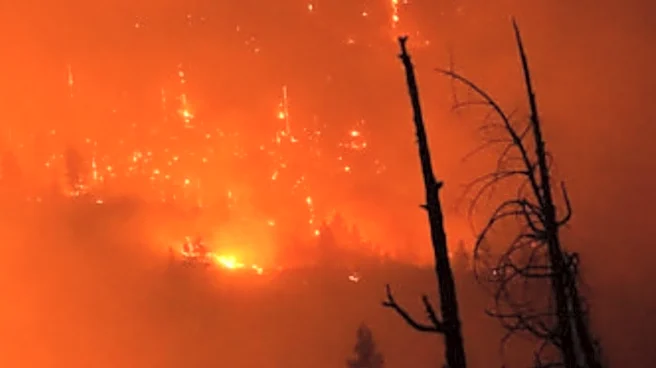
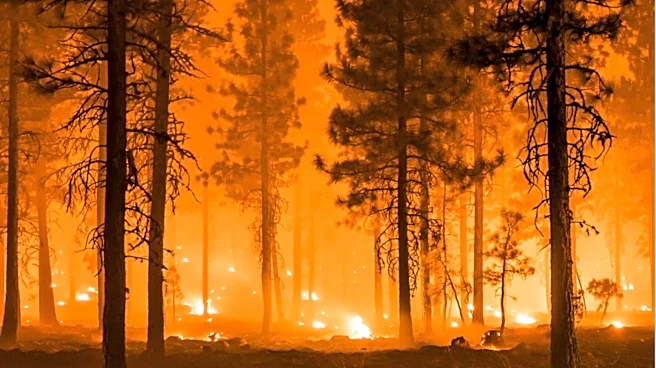
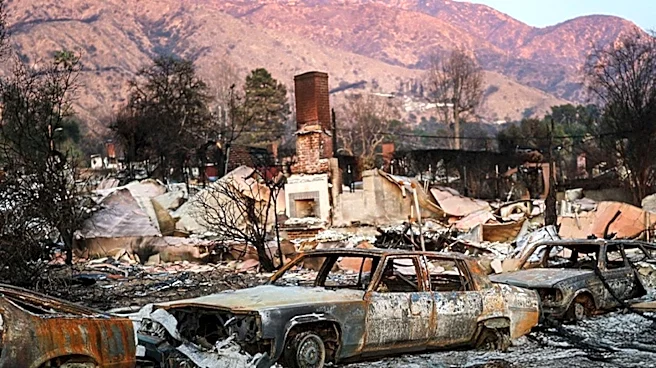
In early July 2026, wildfires have intensified across the southwestern United States, affecting Arizona, Utah, Colorado, and New Mexico. The fires have been exacerbated by hot, dry, and windy conditions. The Suomi National Polar orbiting Partnership (Suomi
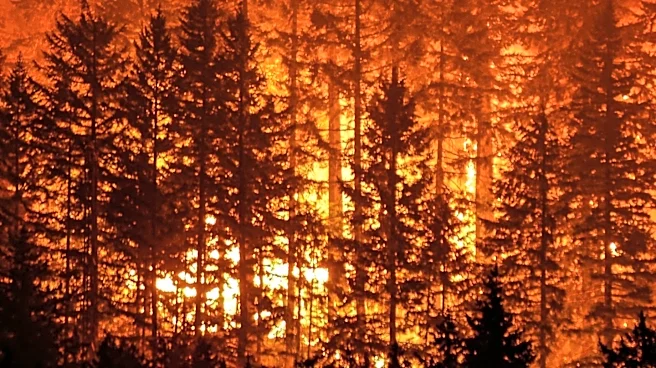
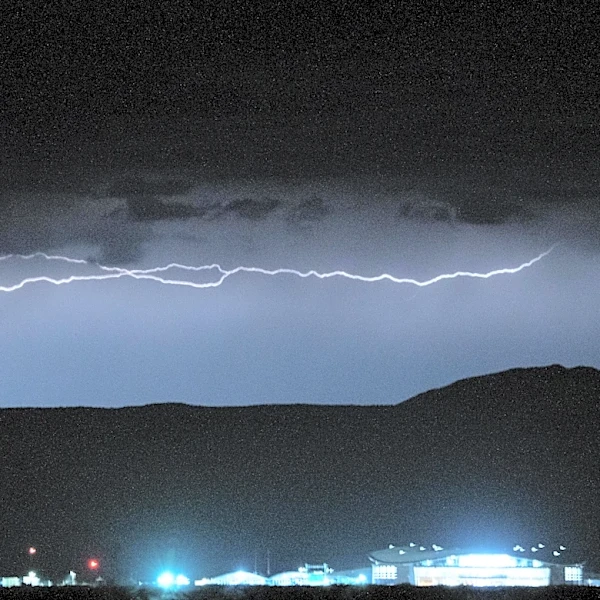
NPP) satellite captured images showing the extent of these fires. In Arizona, the Pocket Fire near Sedona has burned 20,680 acres and is 21% contained. Utah's Babylon Fire, which started on June 26, has burned 79,795 acres and remains uncontained. Colorado is dealing with three major fires: the Ferris Fire, which began on June 27 due to lightning, has burned 27,382 acres; the Gold Mountain Fire has consumed 18,005 acres; and the Aspen Acres Fire has burned 47,953 acres, all of which are 0% contained. In New Mexico, the Sacaton Fire, ignited by lightning on June 21, has burned 1,279 acres and is also uncontained. These reports are sourced from the InciWeb interagency all-risk incident information management system.
Why It's Important?
The intensification of wildfires in these states poses significant risks to communities, wildlife, and the environment. The fires threaten homes and infrastructure, leading to potential evacuations and disruptions. The economic impact could be substantial, affecting tourism, agriculture, and local businesses. Additionally, the fires contribute to air quality deterioration, posing health risks to residents. The ongoing drought conditions and climate change are likely exacerbating the frequency and intensity of these wildfires, highlighting the need for effective fire management and climate adaptation strategies. The situation underscores the importance of federal and state collaboration in resource allocation and emergency response to mitigate the impact of such natural disasters.
What's Next?
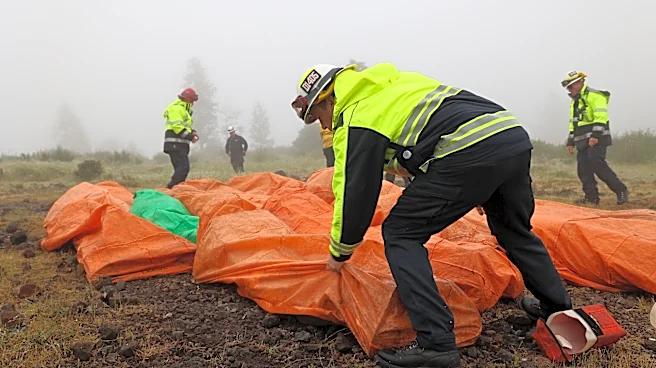
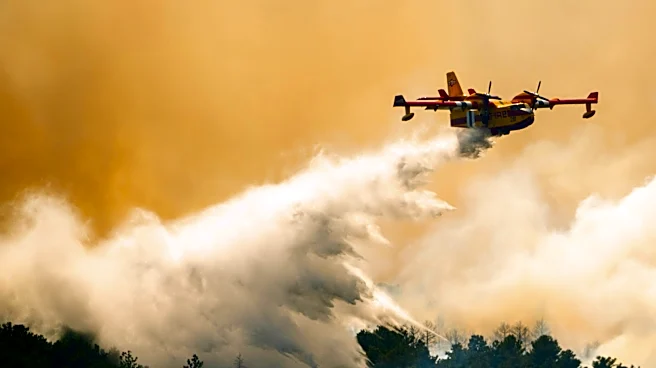
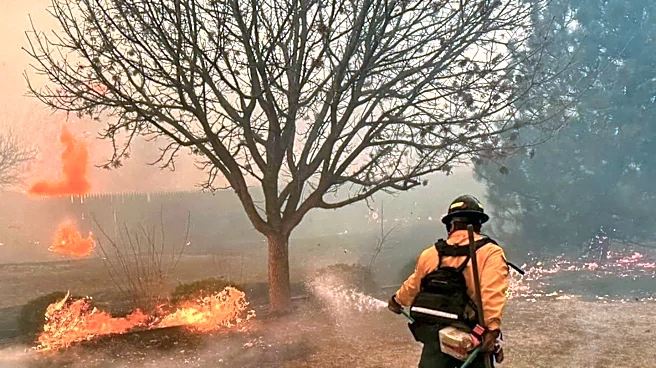
Efforts to contain the fires are ongoing, with firefighting teams working to establish control lines and protect critical areas. The weather conditions in the coming days will play a crucial role in the containment efforts. Authorities may issue evacuation orders if the fires threaten populated areas. Long-term, there may be increased calls for investment in fire prevention and management infrastructure, as well as policies addressing climate change to reduce the risk of future wildfires. Monitoring and support from federal agencies, such as the National Interagency Fire Center, will be essential in coordinating the response and recovery efforts.