






What's Happening?
All seven Democratic members of Florida’s congressional delegation, led by U.S. Rep. Debbie Wasserman Schultz, have issued a demand for immediate transparency and legal accountability. This action follows a scathing watchdog report from the Department
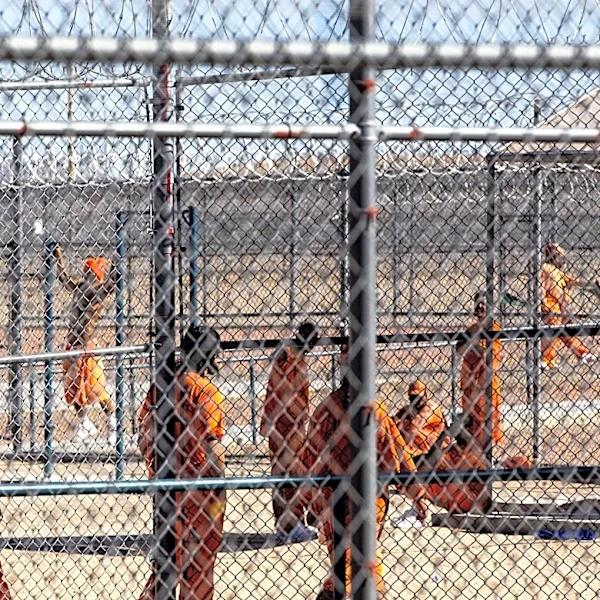
of Homeland Security Office of Inspector General (DHS OIG) that confirmed widespread human rights violations at the now-closed Everglades internment camp, controversially dubbed 'Alligator Alcatraz.' The report detailed that 79 detainees were confined in small outdoor metal enclosures, measuring approximately 16 to 18 square feet, for up to two hours. While facility staff referred to these as 'calming areas,' investigators deemed the practice unprecedented and a significant risk to detainee health and safety due to exposure to severe heat and insects. Beyond these enclosures, the DHS OIG documented systemic failures in medical care, food service, hygiene, recreation, and environmental safety within the facility.
Why It's Important?
This demand for accountability from Florida's Democratic delegation underscores the serious concerns regarding human rights and the treatment of individuals in federal custody. The confirmed abuses at the Everglades detention facility highlight critical failures in oversight and operational standards within immigration detention systems. Such incidents can erode public trust in government institutions and raise questions about the ethical responsibilities of law enforcement and detention agencies. For the U.S., these findings can prompt broader discussions about immigration policy, detention practices, and the need for more robust accountability mechanisms. The bipartisan nature of human rights concerns often means that such reports can lead to calls for reform across the political spectrum, potentially influencing future legislative efforts related to immigration and detention standards.
What's Next?
The immediate next steps will likely involve increased pressure on state and federal officials to respond to the demands for transparency and accountability. This could include internal investigations, disciplinary actions against responsible parties, and a review of policies and procedures to prevent future abuses. The Democratic delegation may pursue legislative avenues to strengthen oversight of detention facilities and ensure humane treatment of detainees. Public outcry and advocacy groups will likely maintain scrutiny on the issue, pushing for systemic changes. The report's findings could also influence ongoing debates about immigration reform and the allocation of resources for detention facilities, potentially leading to calls for alternative approaches to managing immigration cases.
Beyond the Headlines
The revelations from the DHS OIG report extend beyond the immediate abuses at 'Alligator Alcatraz' to touch upon fundamental questions of human dignity and the rule of law. The use of 'calming areas' that exposed detainees to harsh conditions raises ethical concerns about the justification and implementation of disciplinary measures within detention settings. This incident could serve as a case study for examining the psychological and physical impacts of confinement conditions on vulnerable populations. Furthermore, it highlights the critical role of independent oversight bodies like the DHS OIG in uncovering and reporting systemic failures. The long-term implications could include a re-evaluation of the entire detention infrastructure, a push for more humane alternatives, and a renewed focus on international human rights standards within U.S. immigration enforcement.