




What's Happening?
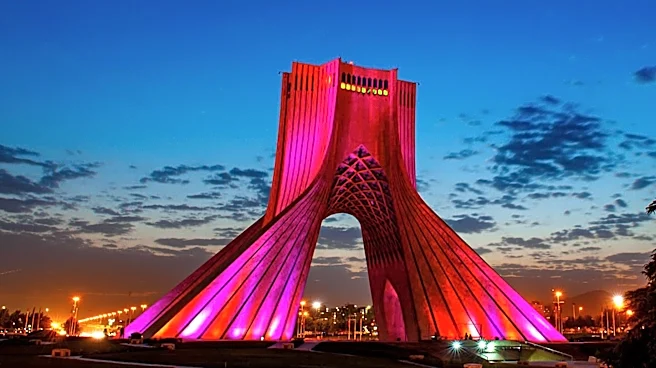
Iran and Oman are close to finalizing an agreement on a new shipping route through the Strait of Hormuz, contingent on the United States addressing certain violations of a previous memorandum. Iranian Foreign Minister Abbas Araghchi stated that the reopening
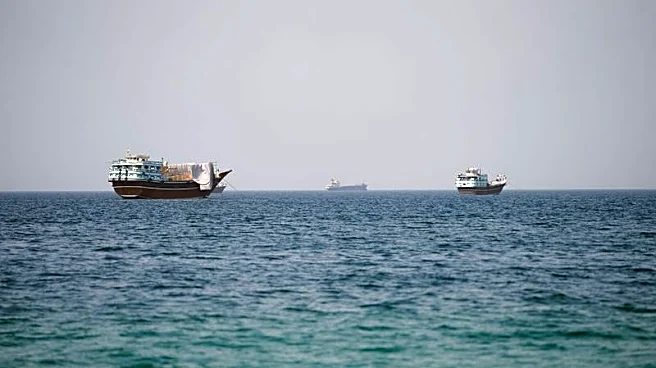
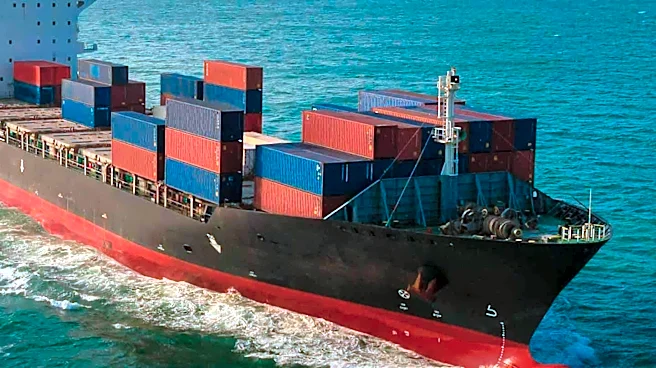
of the strait depends on US compliance with commitments made in a June memorandum of understanding. The agreement with Oman involves specific routes for vessels, with inbound traffic passing through Iranian waters and outbound traffic through Omani waters. The situation remains tense, with the United Arab Emirates reporting a missile attack on an ADNOC vessel in the strait, attributed to the IRGC, which has been labeled as an act of piracy.
Why It's Important?
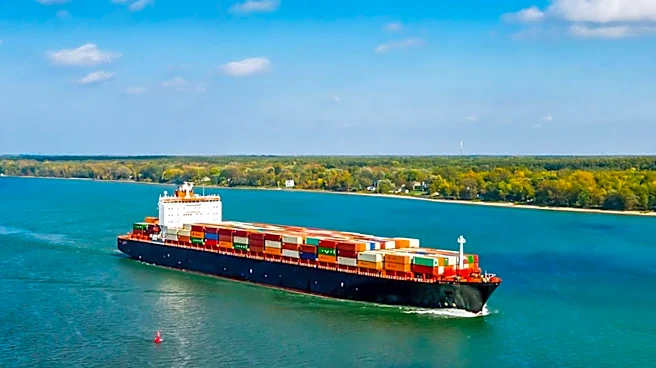
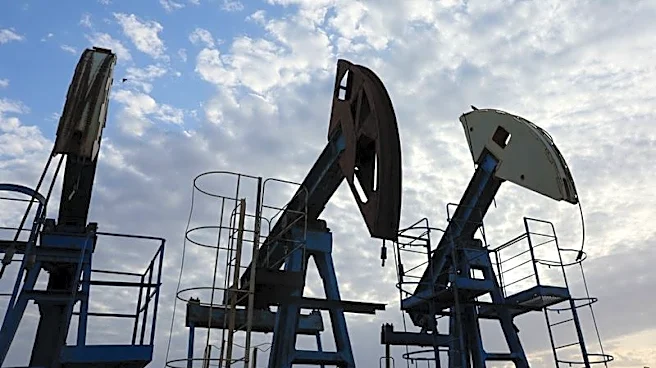
The Strait of Hormuz is a critical chokepoint for global oil transportation, with about 20% of the world's oil passing through it. The potential reopening of the strait could stabilize global energy markets and reduce oil prices. However, the situation underscores the geopolitical tensions in the region, particularly between Iran and the United States. The outcome of these negotiations could influence regional stability and impact international relations, especially concerning US-Iran relations and the broader Middle East dynamics. The agreement could also affect the strategic calculations of other regional players, including Saudi Arabia and the UAE.
What's Next?
If the agreement between Iran and Oman is finalized, it could lead to a temporary easing of tensions in the region. However, the US's response to Iran's conditions will be crucial in determining the long-term stability of the Strait of Hormuz. The international community will likely monitor the situation closely, as any disruption in the strait could have significant implications for global energy security. Additionally, the ongoing negotiations may influence broader discussions on Iran's nuclear program and US sanctions, potentially leading to further diplomatic engagements.