








What's Happening?
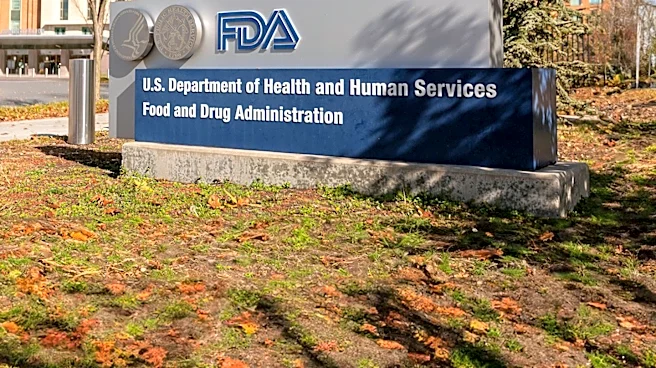
Qsymia, a prescription medication combining phentermine and topiramate, is being considered for seniors with severe obesity-related conditions such as obstructive sleep apnea and type 2 diabetes. The medication, approved by the FDA in 2012 for chronic
weight management, targets appetite suppression through a dual mechanism. However, its use in seniors is approached with caution due to limited clinical trial data for those over 65. The medication's potential cardiovascular risks and cognitive side effects are significant concerns, especially in older adults with pre-existing conditions. Monitoring and careful dose management are essential when prescribing Qsymia to seniors.
Why It's Important?
The consideration of Qsymia for seniors highlights the ongoing challenge of managing obesity-related conditions in an aging population. While the medication offers potential benefits in weight management, the associated risks necessitate a careful evaluation of each patient's health profile. The decision to use Qsymia involves balancing the benefits of weight loss against the potential for adverse effects, particularly in a demographic already vulnerable to cardiovascular and cognitive issues. This situation underscores the need for personalized treatment plans and highlights the importance of ongoing research into safe and effective weight management options for older adults.
What's Next?
For seniors prescribed Qsymia, a regimen of close monitoring is recommended, including regular assessments of heart rate, blood pressure, and cognitive function. Physicians are advised to start with the lowest possible dose and adjust gradually based on the patient's response. The decision to continue or discontinue the medication should be based on weight loss progress and the emergence of any side effects. As the population ages, the demand for effective obesity treatments that are safe for seniors is likely to increase, prompting further research and development in this area.