





What's Happening?
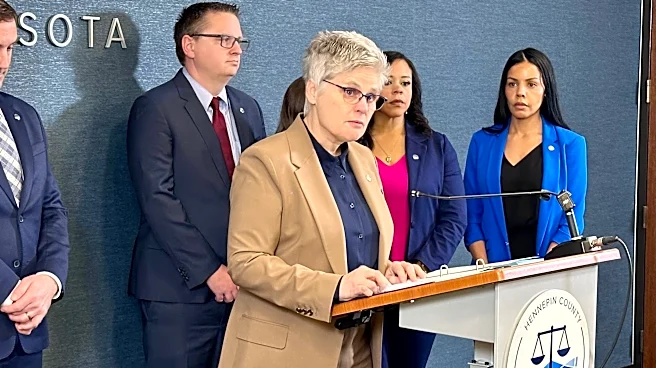
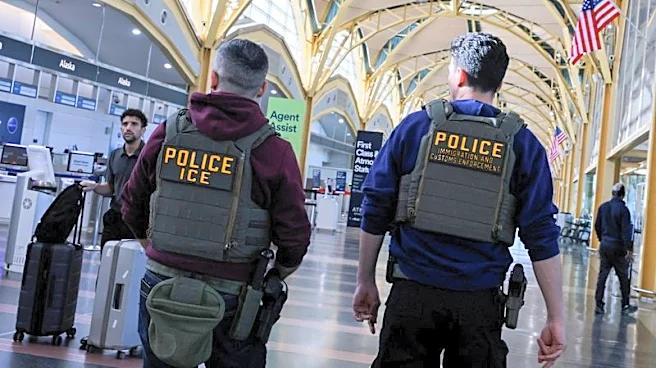
State and local prosecutors in Minnesota have charged an ICE officer, Gregory Donnell Morgan, Jr., with two counts of second-degree assault with a dangerous weapon. This marks the first criminal charges against a federal immigration officer for actions
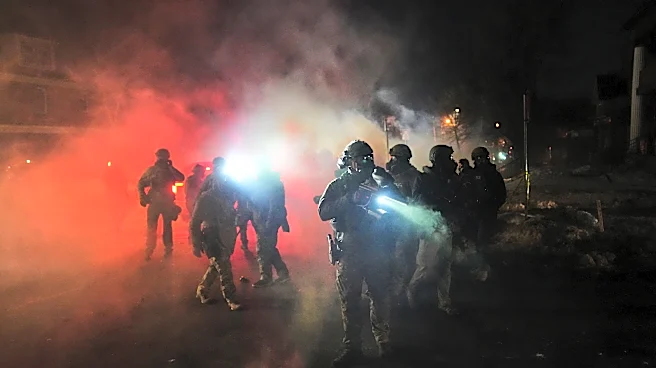
allegedly taken during the immigration enforcement crackdown in Minnesota earlier this year. The incident occurred on February 5, when Morgan, driving an unmarked SUV, allegedly pointed a gun at two individuals in another vehicle on a highway in the Twin Cities area. The victims reported the incident to the Minnesota State Patrol, leading to an investigation that identified Morgan as the suspect. Morgan claimed he feared for his safety when the victims' car pulled in front of him, prompting him to draw his weapon. A nationwide warrant has been issued for Morgan's arrest, and ICE has not commented on the charges.
Why It's Important?
The charges against Morgan highlight ongoing tensions and scrutiny surrounding federal immigration enforcement practices, particularly during heightened operations like the one in Minnesota. This case underscores the potential for legal and ethical challenges faced by immigration officers and the communities they operate in. The incident has sparked discussions about accountability and transparency in federal operations, especially in light of previous incidents involving the use of force by immigration officers. The outcome of this case could influence public perception and policy regarding immigration enforcement and the conduct of federal officers, potentially leading to calls for reform and increased oversight.
What's Next?
As the legal proceedings against Morgan unfold, attention will likely focus on the broader implications for ICE and its enforcement practices. The case may prompt further investigations into other incidents during the Minnesota surge, particularly those involving the use of force. Additionally, the state and Hennepin County's ongoing lawsuit against the Trump administration for withholding evidence in related cases could gain momentum, potentially impacting federal-state relations and future immigration enforcement strategies. Stakeholders, including civil rights groups and policymakers, may push for legislative changes to ensure greater accountability and transparency in federal operations.