

What's Happening?
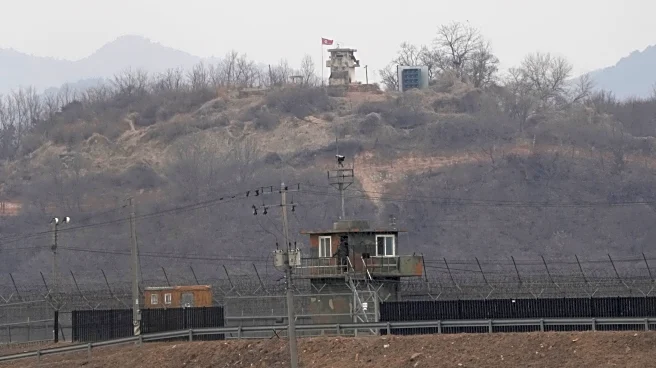
South Korea's President Lee Jae Myung has indicated that the United States may relocate some of its air defense systems stationed on the Korean peninsula to the Middle East due to the intensifying conflict with Iran. This potential move underscores the strategic
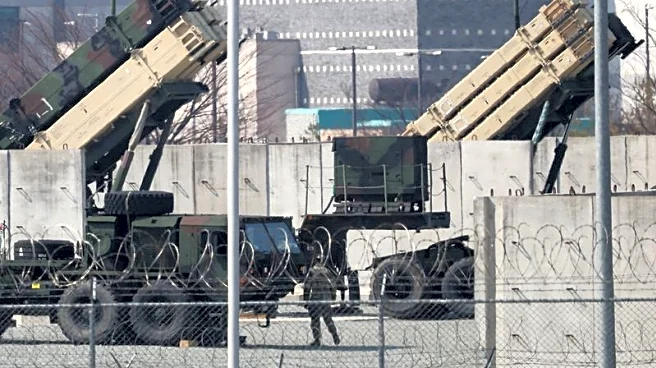
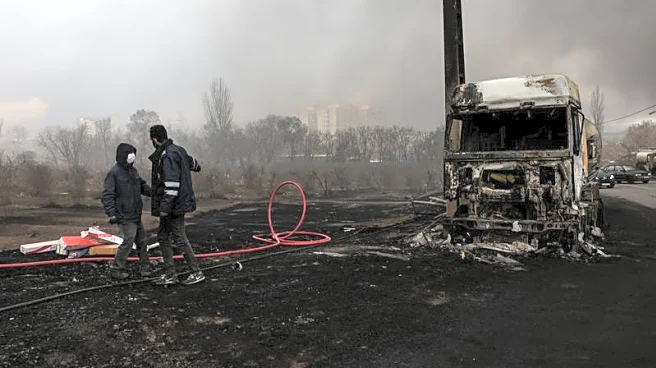
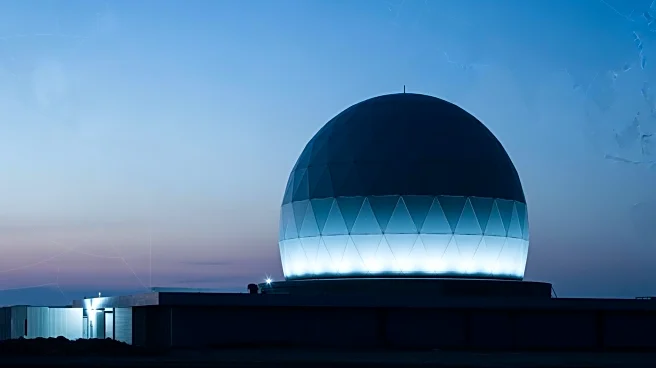
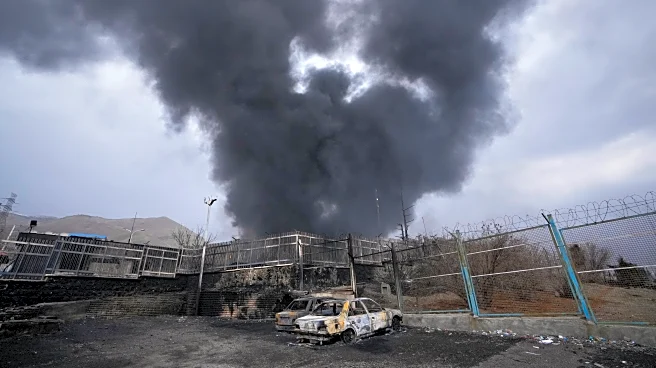
adjustments Washington might make in response to the ongoing war. The Terminal High Altitude Area Defense (THAAD) system, originally deployed in South Korea in 2017 to counter North Korean missile threats, is central to the peninsula's defense network. Recent reports suggest that parts of the THAAD system may be moved, although specific components have not been detailed. Satellite imagery has shown Iranian strikes possibly targeting radar sites linked to U.S. missile defense systems in the Middle East, including those associated with THAAD batteries.
Why It's Important?
The potential redeployment of U.S. missile defense systems from South Korea to the Middle East highlights the strain on American military resources amid the conflict with Iran. THAAD systems are crucial for intercepting ballistic missiles, and their movement could impact regional security dynamics, particularly in Asia. The shift may affect South Korea's defense posture against North Korea, although President Lee has stated that South Korea's defenses remain adequate. The ongoing war with Iran is consuming significant U.S. missile defense inventory, raising concerns about the sustainability of America's long-term defense capabilities. This situation could lead to strategic vulnerabilities if the conflict continues to deplete resources that are not replenished quickly.
What's Next?
As the conflict with Iran progresses, the U.S. may continue to adjust its military deployments to address immediate threats. This could involve further reallocations of defense systems, impacting global military strategies. South Korea may need to reassess its defense strategies and capabilities in light of potential changes in U.S. military support. Additionally, the Pentagon's response and future decisions regarding missile defense allocations will be crucial in maintaining regional stability and addressing the demands of ongoing conflicts.
Beyond the Headlines
The redeployment of missile defense systems could have broader implications for international relations and military alliances. It may prompt discussions on the balance of military power and resource allocation among U.S. allies. The strategic shift could also influence defense policies and military cooperation in Asia and the Middle East, potentially leading to new alliances or adjustments in existing partnerships. The situation underscores the interconnected nature of global security and the challenges of managing military resources across multiple theaters.