





What's Happening?
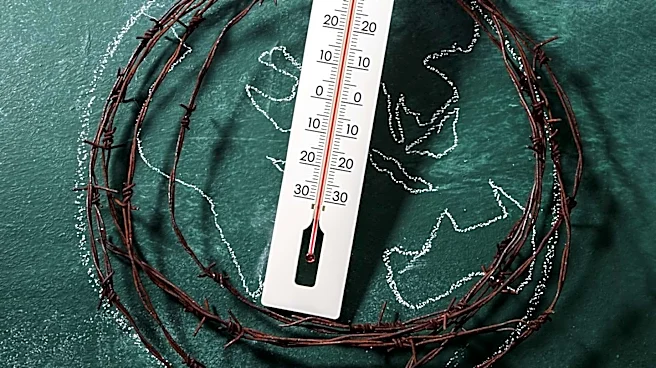
A recent study conducted in five Moroccan regions during 2021 has identified a link between heat exposure, both alone and in combination with ozone, and excess deaths. Researchers utilized a time-stratified case-crossover design to analyze daily all-cause
deaths. The study defined extreme days as those where the maximum temperature or maximum daily 8-hour ozone reached or exceeded the regional 90th percentile. Pooled analysis revealed that heat-only days had a relative risk of 1.18 for excess deaths, while compound days (heat with ozone) showed a relative risk of 1.16. Interestingly, ozone-only days did not demonstrate a significant excess in deaths, and the study found no evidence of a synergistic effect between heat and ozone. Region-specific results varied, with only the Oriental region showing significant associations across all three exposure types. The authors noted that the data, covering a single year, limited the scope of compound-exposure risk estimates.
Why It's Important?
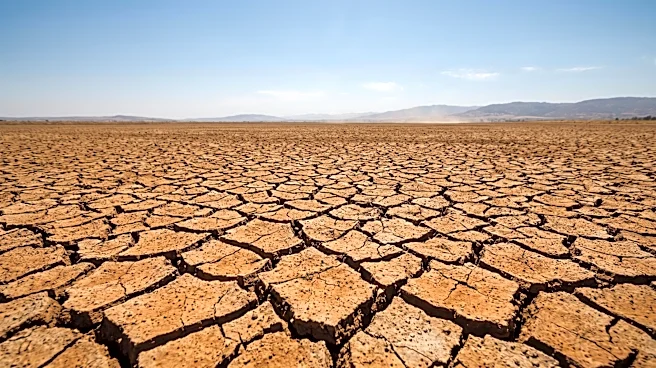
This research provides crucial insights into the health impacts of environmental factors, particularly in regions where such data is scarce. The findings underscore the significant public health challenge posed by extreme heat, even when not combined with other pollutants. For U.S. public health officials and policymakers, this study serves as a reminder of the need for robust monitoring and intervention strategies for heat-related mortality, especially as global temperatures continue to rise. While the study was conducted in Morocco, its implications are relevant to any region experiencing increasing temperatures and air pollution. Understanding the distinct and combined effects of environmental stressors like heat and ozone is vital for developing targeted public health advisories, emergency response plans, and urban planning initiatives aimed at mitigating heat-related health risks. The absence of a synergistic effect between heat and ozone in this study suggests that interventions might need to address these factors independently rather than assuming a combined impact.
What's Next?
The study's findings suggest a need for further research, particularly with longer data sets, to better understand the long-term and compound-exposure risks associated with heat and ozone. Public health strategies in affected regions, and potentially in the U.S., may need to be refined to specifically address the risks posed by heat alone, given its significant association with excess deaths. This could involve enhancing heat warning systems, establishing more cooling centers, and implementing urban design changes that reduce heat island effects. For regions like Morocco, and other areas with similar climatic conditions, the research highlights the importance of developing localized public health interventions that account for regional heterogeneity in environmental impacts. Future studies could also explore the specific demographic groups most affected by these exposures and the underlying physiological mechanisms contributing to excess mortality.
Beyond the Headlines
The study's focus on North Africa addresses a critical gap in global environmental health research, as evidence from this region on compound heat and ozone exposure is limited. This highlights a broader issue of data disparities in climate change impact assessments, where many vulnerable regions lack comprehensive studies. The finding that heat alone is a significant driver of excess deaths, without a clear synergy with ozone, challenges some assumptions about combined environmental stressors and suggests that the direct physiological impact of heat may be a more dominant factor in certain contexts. This could influence how public health campaigns are designed, shifting focus towards direct heat mitigation rather than solely on air quality improvements. Furthermore, the heterogeneity of results across different Moroccan regions underscores the importance of localized environmental health assessments and tailored interventions, rather than a one-size-fits-all approach, for effective climate change adaptation strategies.