
What's Happening?
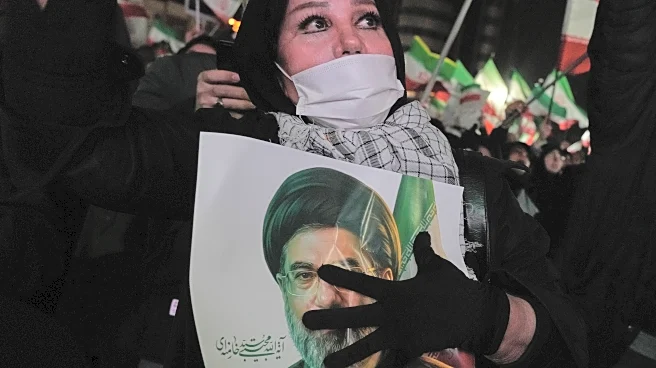
The ongoing conflict in Iran has raised fears of a new oil crisis reminiscent of the 1970s. The International Energy Agency (IEA) has warned that the current situation poses the greatest threat to energy security in history, with a shortfall of 11 million
barrels of oil per day. This is more than the combined shortfall during the two major oil shocks of the 1970s. The conflict has led to the near-total closure of the Strait of Hormuz, a critical chokepoint for global oil and gas shipments, reducing global oil supply by about 8%. The situation has caused oil prices to surge, although not as sharply as in the 1970s.
Why It's Important?
The potential for a significant oil crisis has wide-ranging implications for the global economy. Rising oil prices can lead to increased costs for goods and services, contributing to inflationary pressures. This can slow economic growth and lead to stagflation, a situation where inflation and unemployment rise simultaneously. The U.S. and other countries may need to tap into strategic oil reserves to mitigate supply disruptions. The conflict also highlights the vulnerability of global energy infrastructure and the need for diversified energy sources to ensure stability.
What's Next?
The duration of the Iran conflict will be a key factor in determining the long-term impact on global oil markets. If the conflict persists, further disruptions to energy infrastructure could exacerbate supply shortages. Countries may need to implement energy-saving measures and explore alternative energy sources to reduce dependence on Middle Eastern oil. Diplomatic efforts to resolve the conflict will be crucial in stabilizing the situation and preventing further economic fallout.