


What's Happening?
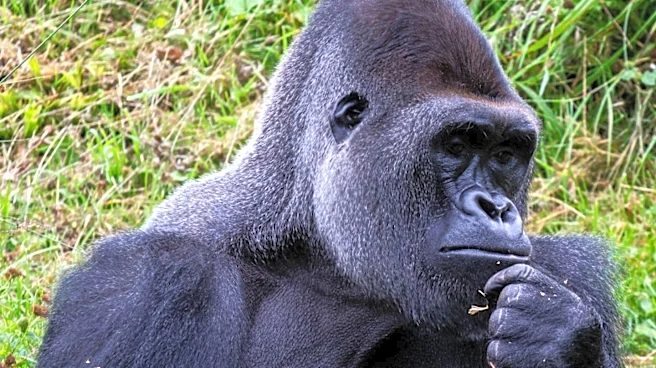
The cost of a gorilla trekking permit for foreign visitors in Rwanda is currently $1,500 per person. This permit is essential for accessing the guided interaction with habituated mountain gorillas in Volcanoes National Park. The $1,500 fee is a fixed
starting point for non-residents and is the largest single expense in most Rwandan gorilla safari budgets. The permit allows for a carefully planned gorilla-tracking expedition, including a one-hour observation period with a gorilla family, designed to prevent overwhelming the animals. Beyond the permit, the total cost of a gorilla safari can vary significantly, depending on factors such as lodging, transportation from Kigali, meals, guide services, porter fees, and additional activities. The drive to Volcanoes National Park from Kigali typically takes up to three hours, offering a logistical advantage for travelers.
Why It's Important?
The $1,500 gorilla trekking permit plays a critical role in both conservation efforts and community development in Rwanda. Instead of merely being an admission ticket, the fee contributes directly to the conservation system that protects mountain gorillas and their natural habitat. A significant portion, 10%, of the revenue generated from visitors to Rwanda's national parks is reinvested into the communities surrounding these protected areas. This tourism revenue-sharing program has funded thousands of community projects, including livelihood initiatives, schools, health facilities, and water infrastructure. This model highlights a high-value approach to tourism and conservation, ensuring that local populations benefit from wildlife tourism, thereby fostering a sense of ownership and encouraging their participation in conservation efforts. This sustainable funding mechanism is vital for the long-term survival of mountain gorillas and the well-being of the communities living near their habitats.
What's Next?
For prospective gorilla trekkers, the next steps involve planning their trip, which includes securing the $1,500 permit well in advance due to limited availability. Travelers will also need to budget for additional expenses such as accommodation near Volcanoes National Park, transport from Kigali, meals, and optional activities like golden monkey tracking or safaris in Akagera National Park. Tour operators often provide comprehensive packages that bundle these services, and it is crucial for visitors to understand what is included in any quoted price. The Rwandan government and conservation organizations will continue to monitor the impact of tourism on gorilla populations and their habitat, potentially adjusting policies or permit availability as needed to ensure sustainable practices. The ongoing reinvestment of tourism revenue into local communities is expected to continue, supporting further development and conservation initiatives.
Beyond the Headlines
The high cost of the Rwandan gorilla trekking permit, while seemingly steep, reflects a deliberate strategy to promote high-value, low-impact tourism. This approach aims to minimize the ecological footprint on the fragile gorilla habitat while maximizing the economic benefits for conservation and local communities. By positioning gorilla trekking as a premium experience, Rwanda attracts a specific demographic of tourists who are willing to invest in conservation. This model contrasts with mass tourism, which can often lead to environmental degradation and cultural erosion. The success of this strategy has broader implications for wildlife conservation globally, demonstrating how economic incentives can be effectively aligned with ecological preservation. It also underscores the ethical dimension of wildlife tourism, where the financial contribution of visitors directly supports the protection of endangered species and the empowerment of local populations, creating a symbiotic relationship between tourism, conservation, and community development.