






What's Happening?
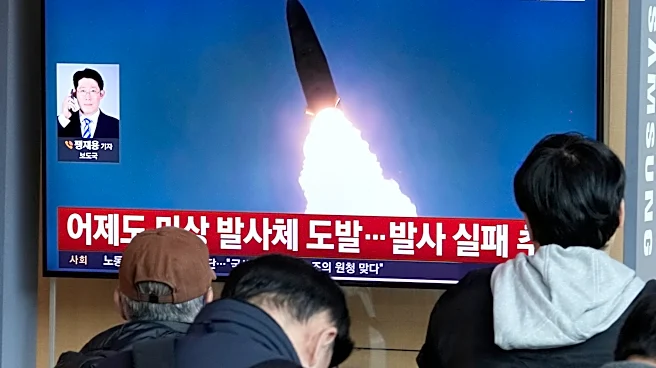
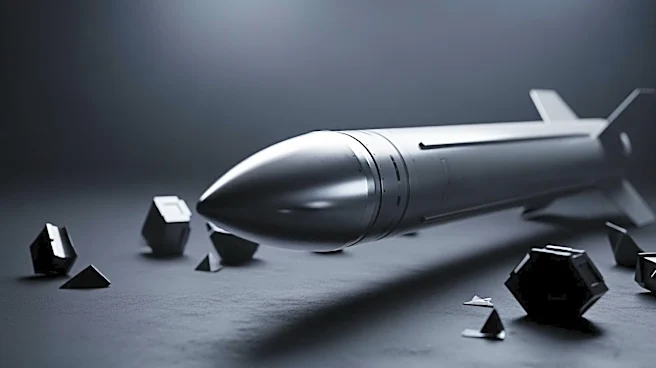
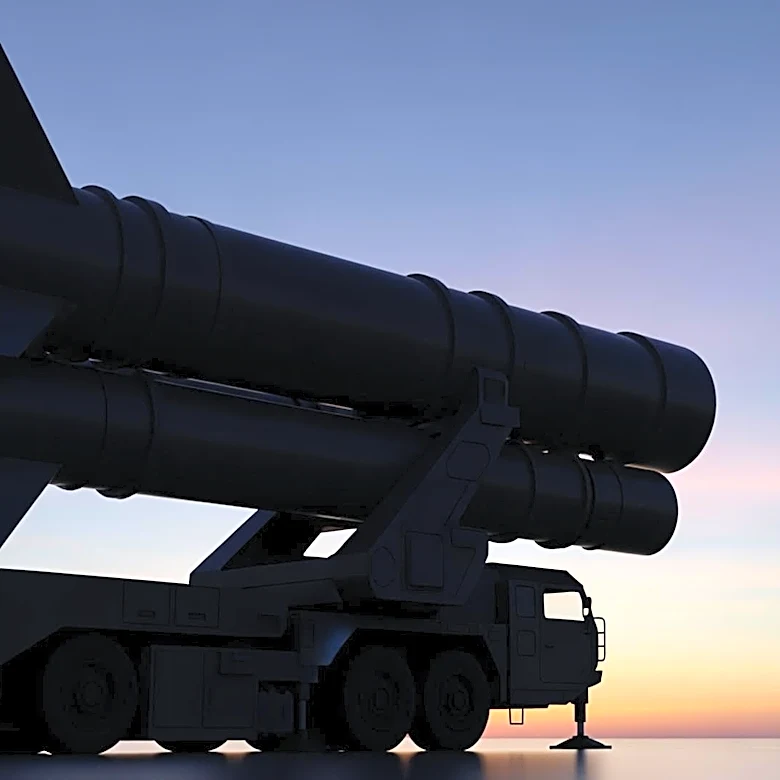
North Korea has announced that its recent missile tests included the use of cluster-bomb warheads, as part of a broader effort to expand its nuclear-capable forces. The tests, which lasted three days, involved various weapons systems, including ballistic
missiles and anti-aircraft weapons. South Korea's military reported detecting multiple missile launches, with some projectiles traveling significant distances before landing in the sea. North Korean state media highlighted the capabilities of the Hwasong-11 ballistic missiles, which are designed to evade missile defense systems. The tests underscore North Korea's ongoing military advancements and its strategic focus on countering perceived threats from South Korea and the United States.
Why It's Important?
The missile tests by North Korea represent a significant escalation in regional tensions, particularly with South Korea and the United States. The use of cluster-bomb warheads raises concerns about the potential for increased military conflict and the humanitarian impact of such weapons. North Korea's actions challenge international efforts to curb its nuclear ambitions and highlight the limitations of diplomatic engagement. The tests also reflect North Korea's strategic alignment with countries like Russia and China, as it seeks to strengthen its regional influence and break out of international isolation. For the U.S. and its allies, the tests necessitate a reassessment of security strategies and defense postures in the region.
What's Next?
The international community will likely respond with diplomatic condemnations and calls for restraint. The United States and South Korea may consider enhancing their military readiness and exploring additional sanctions or diplomatic measures to deter further provocations. North Korea's continued military developments could prompt discussions on regional security frameworks and the role of major powers in maintaining stability. The upcoming visit of Chinese Foreign Minister Wang Yi to North Korea may also influence diplomatic dynamics, as China plays a key role in mediating tensions on the Korean Peninsula.