

What's Happening?
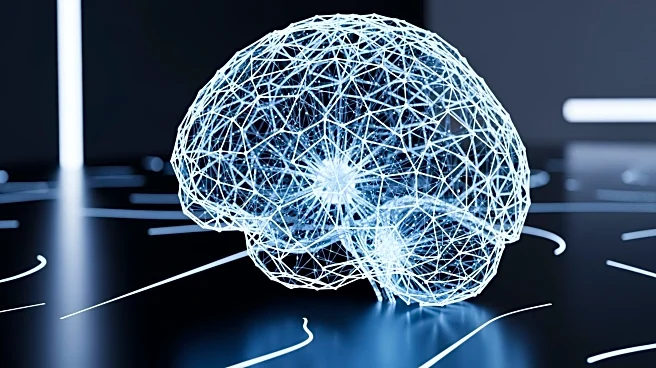
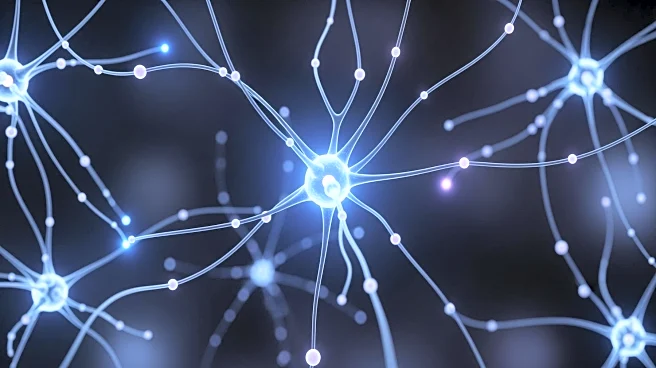
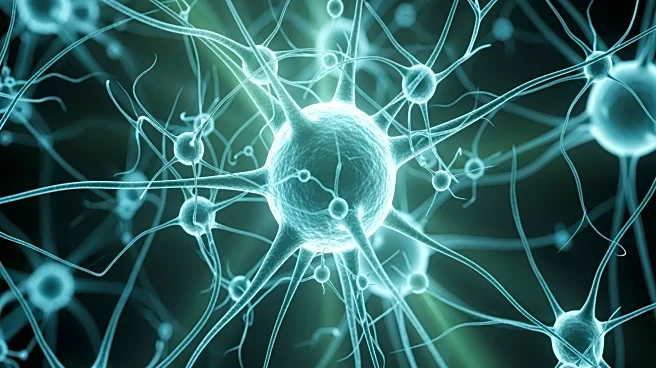
Researchers at the University of Pennsylvania have discovered that exercise not only strengthens muscles but also rewires the brain, enhancing endurance. The study focused on SF1 neurons in the ventromedial hypothalamus (VMH), which became active during
and after exercise in mice. These neurons play a crucial role in energy regulation and endurance improvements. The research showed that blocking SF1 neuron activity prevented endurance gains, highlighting their importance in post-exercise recovery. This study suggests that brain activity is a significant factor in the metabolic adaptations that enhance endurance.
Why It's Important?
Understanding the brain's role in exercise-induced endurance could lead to new strategies for improving physical performance and recovery. This research has implications for athletes, older adults, and individuals recovering from injuries or strokes. By potentially developing exercise mimetics that activate SF1 neurons, scientists could enhance endurance and metabolic function in populations unable to engage in regular physical activity. This could encourage more people to exercise by providing quicker and more noticeable benefits, promoting overall health and well-being.
What's Next?
Future research will explore the underlying mechanisms of SF1 neuron activity and its role in endurance. Scientists aim to develop exercise mimetics that activate these neurons, offering a novel strategy to enhance endurance and metabolic function. This could lead to new treatments for individuals unable to exercise regularly, improving their quality of life and health outcomes.