




What's Happening?
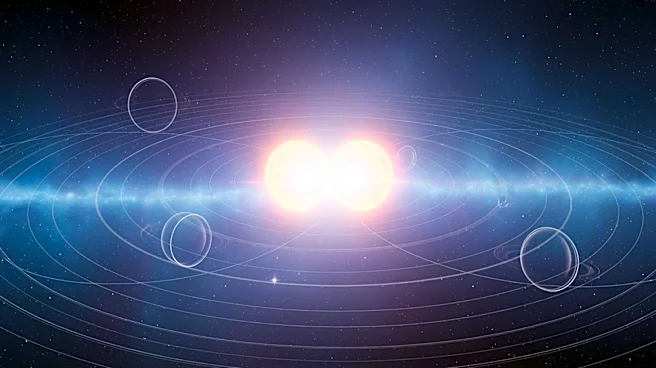
NASA's Citizen Science program has reported that over 650 volunteers have co-authored peer-reviewed scientific papers alongside professional scientists. These volunteers have contributed to various projects, such as spotting celestial phenomena like comets
and gamma-ray bursts, observing atmospheric events like auroras, and using personal equipment to gather data on exoplanets. The program encourages public participation in scientific research, allowing volunteers to engage directly with scientists and contribute to significant discoveries. The initiative highlights the importance of citizen involvement in science, providing opportunities for individuals to contribute to scientific literature and gain recognition for their efforts.
Why It's Important?
The involvement of citizen scientists in NASA projects underscores the democratization of scientific research, allowing non-professionals to contribute meaningfully to scientific advancements. This collaboration not only enriches the scientific community with diverse perspectives but also fosters public interest and education in science. By co-authoring papers, volunteers gain valuable experience and recognition, which can enhance their careers or academic pursuits. The program also helps NASA leverage a broader pool of resources and insights, potentially accelerating discoveries and innovations in space and atmospheric sciences.
What's Next?
NASA continues to expand its citizen science projects, offering more opportunities for public involvement. Interested individuals can join existing projects or participate in virtual events like 'Do NASA Science Live' to interact with scientists. As more volunteers engage with these projects, the potential for new discoveries and publications increases. NASA's commitment to citizen science suggests ongoing support and development of these initiatives, which could lead to more collaborative research and publications in the future.