











What's Happening?
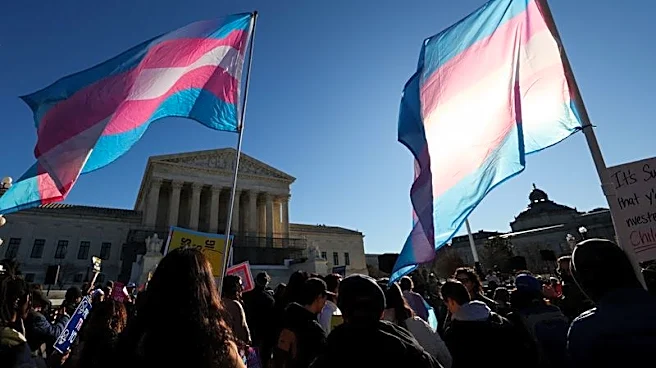
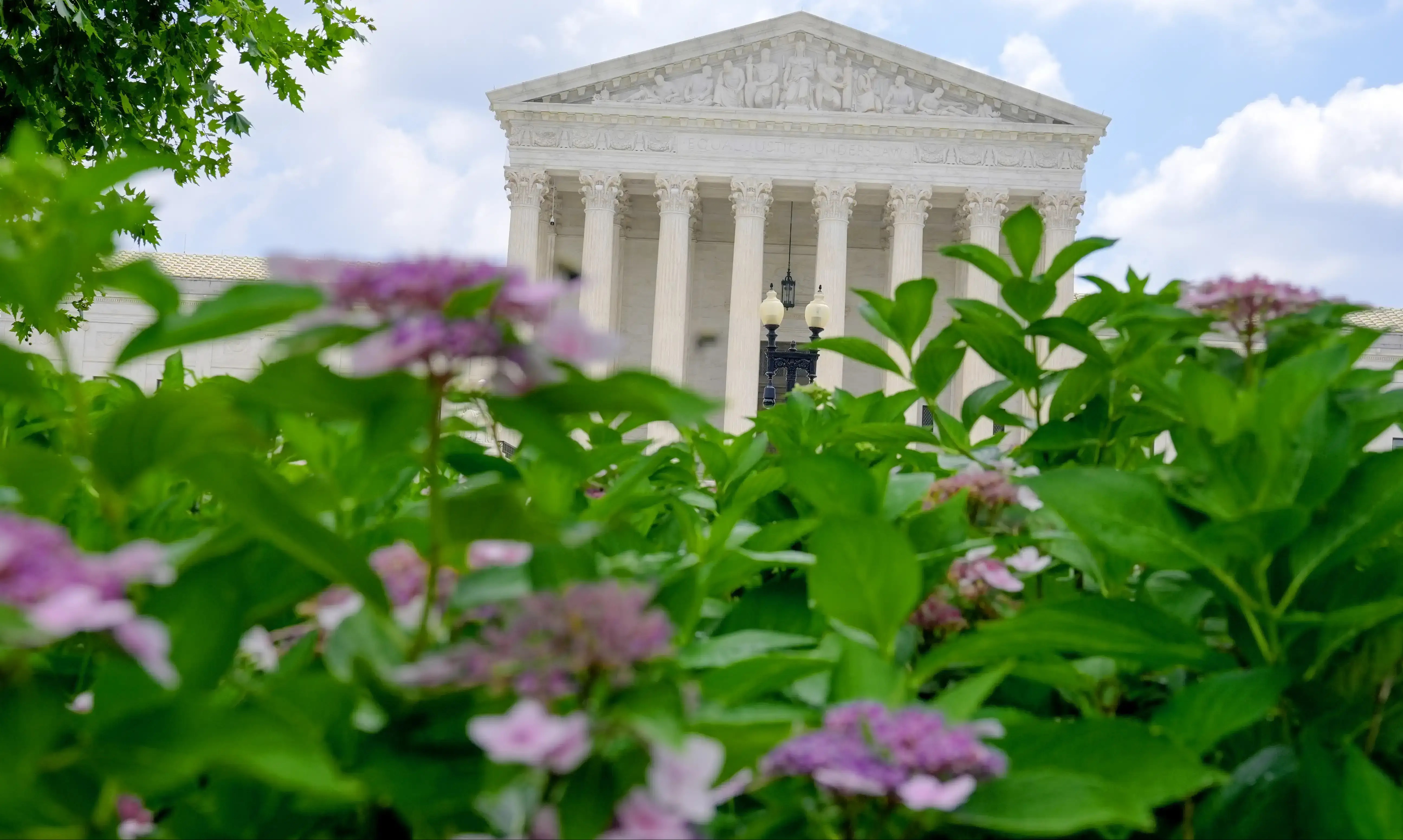
The U.S. Supreme Court has upheld state laws in Idaho and West Virginia that ban transgender athletes from participating in girls' and women's sports teams. The court ruled that these laws do not violate the Equal Protection Clause or Title IX, which
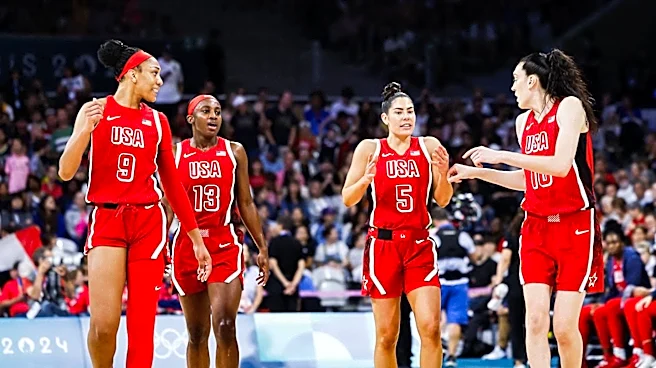
prohibits sex-based discrimination in federally funded education programs. The decision was unanimous, emphasizing that the Constitution and Title IX do not require an overhaul of women's and girls' sports. The ruling supports the notion that sports teams can be divided based on biological sex rather than gender identity. This decision aligns with international trends, as organizations like World Athletics and the International Olympic Committee have also moved to protect the female category in sports.
Why It's Important?
This ruling is significant as it sets a legal precedent for how sex and gender identity are treated in the context of sports in the United States. It underscores the importance of biological differences in athletic competition and supports the maintenance of separate sports categories for men and women. The decision is seen as a victory for those advocating for the protection of women's sports, ensuring that female athletes have equal opportunities to compete. However, it also highlights the ongoing debate over transgender rights and the balance between inclusion and fairness in sports. The ruling may influence future legislation and legal challenges related to gender identity and sports participation.
What's Next?
Following this decision, states may feel emboldened to enact similar laws, potentially leading to more legal challenges. Advocacy groups on both sides of the issue are likely to continue their efforts, with supporters of transgender rights possibly seeking legislative or judicial avenues to challenge or modify these laws. The ruling may also prompt further discussions and policy considerations at both state and federal levels regarding the rights of transgender individuals in various aspects of public life, beyond sports.
Beyond the Headlines
The Supreme Court's decision may have broader implications for how gender identity is recognized and accommodated in other areas, such as education and employment. It raises questions about the balance between protecting women's rights and ensuring inclusivity for transgender individuals. The ruling could influence public opinion and cultural attitudes towards gender identity, potentially affecting future legal interpretations and policy decisions. Additionally, it may impact the strategies of advocacy groups working on issues related to gender and equality.