




What's Happening?
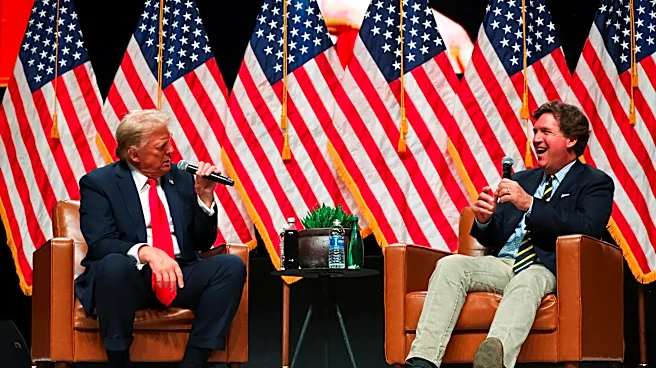
The Republican Party is experiencing internal divisions as some lawmakers break with President Trump on key issues. While many Republicans continue to support Trump, disagreements have emerged over foreign policy, economic priorities, and legislative
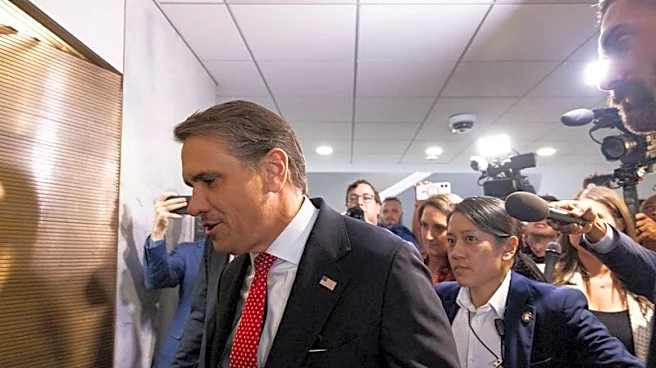
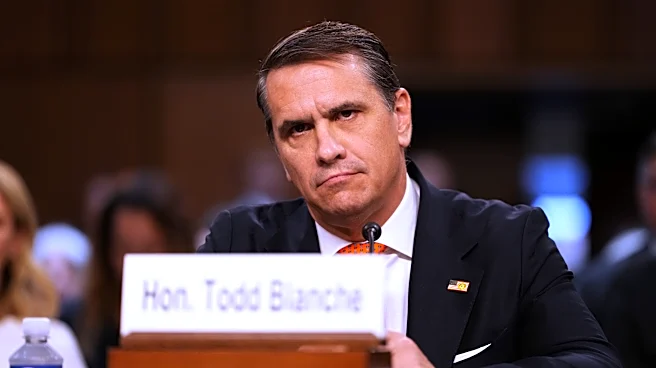
endorsements. Notably, some GOP senators have opposed Trump's legislative agenda, including the Save America Act and efforts to eliminate the filibuster. These divisions are highlighted by the stalled nomination of Todd Blanche, which faced resistance from Republican senators demanding written assurances on certain policies. The internal dynamics within the GOP raise questions about the party's future direction and the extent of Trump's influence.
Why It's Important?
The fractures within the GOP could have significant implications for the party's cohesion and legislative effectiveness. As the party navigates these internal disagreements, its ability to pass key legislation and maintain a unified front in upcoming elections may be compromised. The divisions also reflect broader ideological shifts within the party, as traditional conservative values clash with Trump's policy priorities. This internal conflict could impact the GOP's electoral prospects, particularly if it leads to a loss of support among key voter demographics.
What's Next?
The GOP's internal divisions are likely to continue as the party approaches the midterm elections. The outcome of these elections could influence the party's future direction and Trump's role within it. Additionally, the upcoming Senate race in South Carolina, where Trump has endorsed Darline Graham, will test the strength of his influence. The party's handling of these challenges will be crucial in determining its ability to maintain control of Congress and advance its legislative agenda.