







What's Happening?
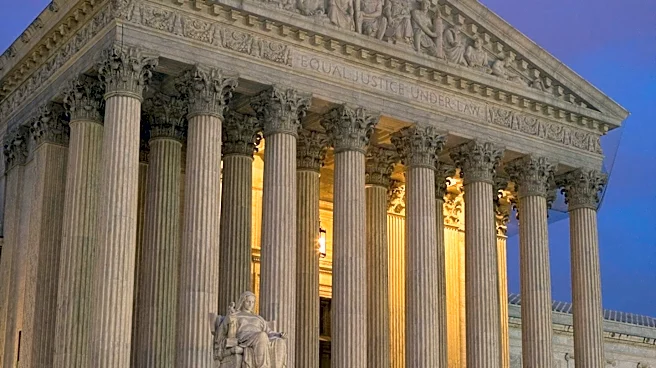
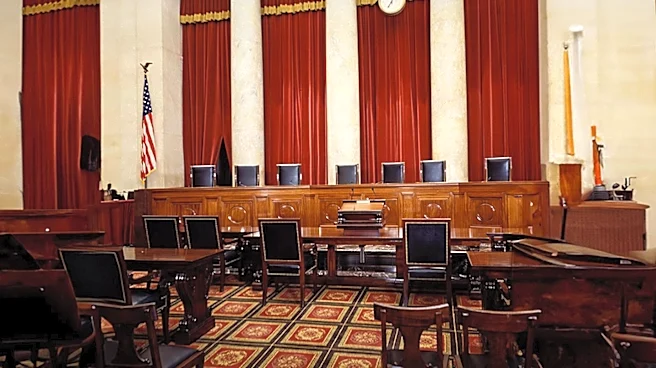
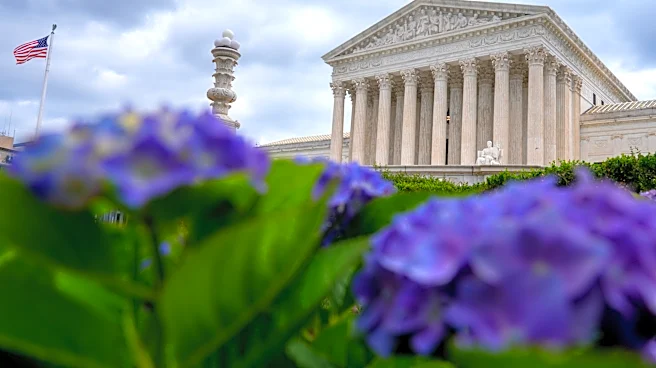
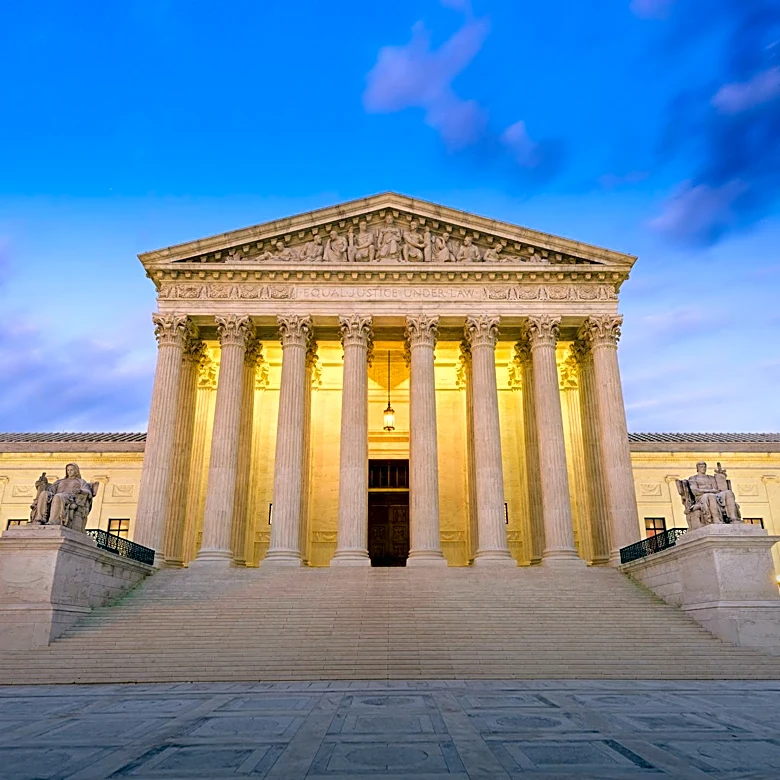
The Supreme Court has overturned a $1.25 million verdict awarded to John Durnell, a Missouri man who claimed that the herbicide Roundup caused his non-Hodgkin lymphoma. The court's 7-2 decision, authored by Justice Brett Kavanaugh, sided with Monsanto,
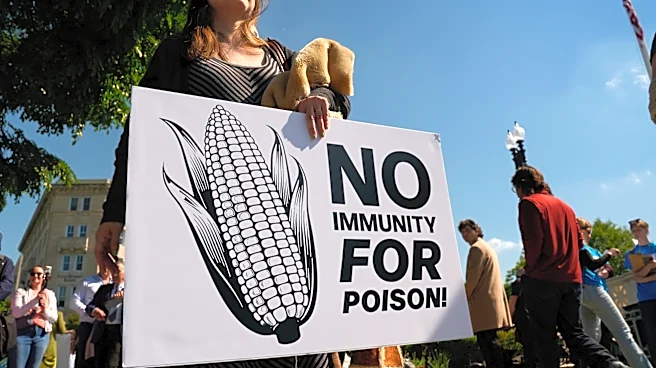
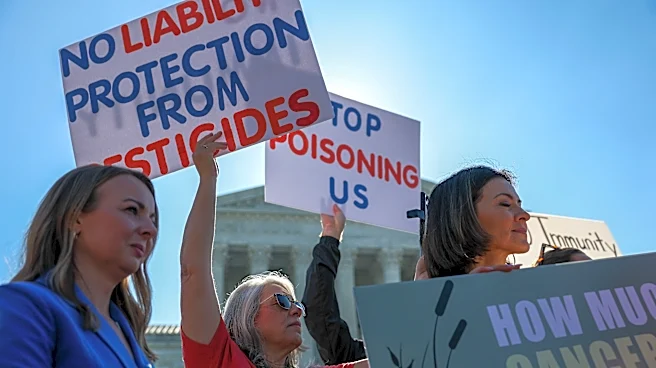
the product's manufacturer, arguing that the lawsuit should be barred because the federal government does not require a cancer warning on Roundup's label. Justices Ketanji Brown Jackson and Neil Gorsuch dissented. Durnell, known as 'spray man' in his neighborhood for his extensive use of Roundup, was one of over 100,000 individuals who have sued Monsanto, alleging that glyphosate, the active ingredient in Roundup, is carcinogenic. The decision could influence thousands of similar lawsuits, as it supports Monsanto's stance that federal law preempts state law claims regarding labeling requirements.
Why It's Important?
This ruling is significant as it sets a precedent for future litigation involving Roundup and potentially other products regulated by federal labeling laws. By siding with Monsanto, the Supreme Court has reinforced the authority of federal regulations over state laws, which could limit the ability of individuals to sue manufacturers for damages related to product safety. This decision may provide regulatory clarity for manufacturers and could lead to the dismissal of numerous pending lawsuits against Monsanto. However, it also raises concerns about consumer protection and accountability, as it suggests that federal approval may shield companies from liability even when their products are alleged to cause harm.
What's Next?
Following the Supreme Court's decision, Bayer, which acquired Monsanto in 2018, anticipates that the ruling will help contain the number of lawsuits related to Roundup. The company has already negotiated a $7.25 billion settlement to address claims, which awaits final approval in Missouri state court. This settlement aims to provide compensation to claimants despite the Supreme Court's ruling. Meanwhile, the decision may prompt further debate and legislative action regarding the balance between federal regulatory authority and state-level consumer protection laws. Stakeholders, including business groups and consumer advocates, are likely to continue discussions on the implications of this ruling for other industries subject to federal labeling requirements.
Beyond the Headlines
The Supreme Court's decision highlights the ongoing tension between federal regulatory frameworks and state-level consumer protection efforts. It underscores the challenges faced by individuals seeking redress for alleged harms caused by federally regulated products. The ruling may also influence public perception of regulatory agencies like the Environmental Protection Agency, which has not required cancer warnings on Roundup's label. Additionally, the decision could impact political dynamics, as it touches on issues of environmental health and corporate accountability, which are significant to various advocacy groups and political constituencies.