


What's Happening?
In 2025, the North Sea experienced a significant downturn in oil and gas exploration, marking the first year since the 1960s without a single exploration well drilled. According to energy consultants Wood Mackenzie, investment in the UK continental shelf
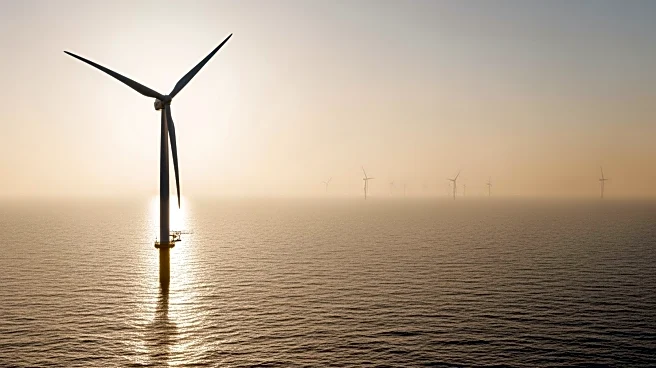
has plummeted from £4 billion to £2.5 billion, the lowest in over 50 years. This decline is attributed to a high headline tax rate of 78% and the Energy Profits Levy, a windfall tax of 35% on oil and gas profits. Despite industry calls to scrap the levy, the Labour government remains firm. The government aims to transition towards a greener energy system, with renewable energy companies investing over £50 billion since Labour's rise to power. However, Greenpeace UK warns that the North Sea's role as an oil and gas basin is ending, urging the government to focus on future industries rather than a declining sector.
Why It's Important?
The decline in North Sea drilling highlights a pivotal shift in the UK's energy strategy, emphasizing a move towards renewable energy. This transition is crucial for addressing climate change and reducing reliance on fossil fuels. The government's stance on maintaining the Energy Profits Levy reflects a commitment to environmental goals, despite industry pressure. The shift away from oil and gas could impact jobs and energy security, but it also presents opportunities for growth in renewable sectors. The investment in clean energy aligns with global trends towards sustainability, potentially positioning the UK as a leader in green technology. However, the challenge remains in balancing economic impacts with environmental objectives, ensuring a just transition for affected workers and communities.
What's Next?
The UK government is expected to continue its focus on renewable energy investments, aiming to create a sustainable future for the North Sea. This includes managing existing oil and gas fields while fostering growth in clean energy industries. Stakeholders, including environmental groups and industry leaders, will likely engage in ongoing discussions about the future of energy policy. The government's ability to navigate these changes will be critical in maintaining energy security and addressing the cost of living crisis. As the North Sea's oil and gas industry declines, the emphasis will be on developing infrastructure and skills for renewable energy, ensuring a smooth transition for the workforce and economy.
Beyond the Headlines
The decline in North Sea drilling raises broader questions about the future of fossil fuel industries globally. As countries strive to meet climate targets, the economic and social implications of transitioning away from oil and gas become increasingly significant. The UK's experience may serve as a model for other nations facing similar challenges. Additionally, the shift towards renewable energy could drive innovation and technological advancements, potentially leading to new economic opportunities. However, the transition must be managed carefully to avoid exacerbating social inequalities, ensuring that all communities benefit from the move towards a sustainable energy future.