




What's Happening?
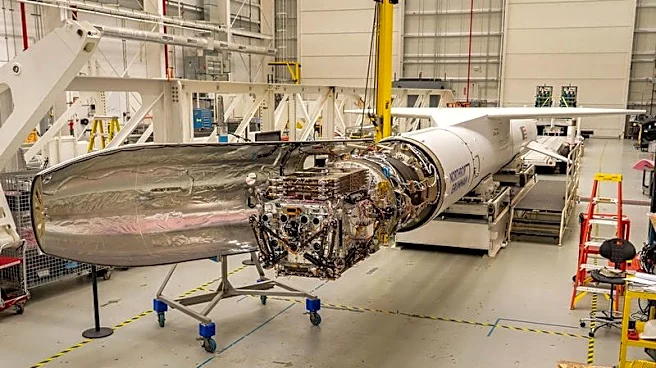
NASA, in collaboration with Starfish Space of Seattle, is developing the Small Spacecraft Propulsion and Inspection Capability (SSPICY) mission. This public-private partnership aims to demonstrate technologies for in-space satellite servicing and inspection.
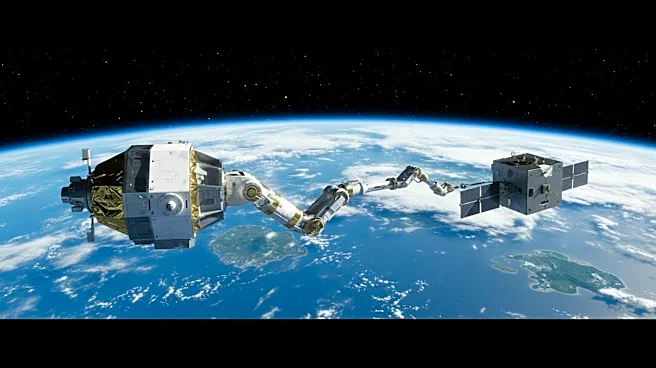
The SSPICY mission will utilize Starfish Space's Otter 24C spacecraft, equipped with advanced propulsion, guidance, navigation, and control technologies, as well as an innovative articulating robotic boom. The Otter 24C, weighing 335 kilograms (739 pounds), is designed to maneuver across different orbits to reach and inspect up to four inoperable U.S.-origin space objects, such as satellites or rocket bodies. The mission's primary objectives include performing close-up visual inspections, gathering critical data on debris characteristics, and validating technologies for future debris remediation efforts. The spacecraft will characterize the physical state of each object, collecting information on surface condition, geometry, and orbital details. The mission is expected to last approximately two years, with the Otter spacecraft anticipated to launch in late 2026 and begin inspections in 2027.
Why It's Important?
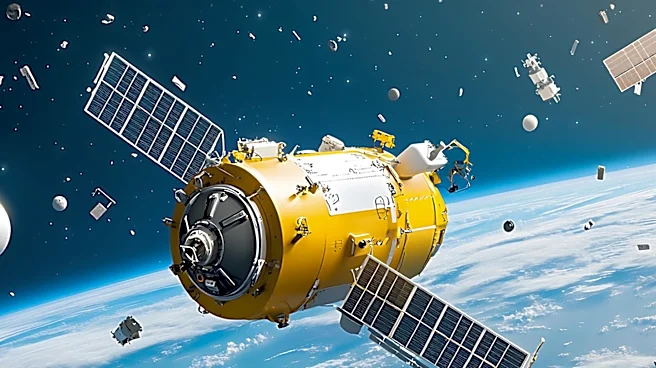
The SSPICY mission is crucial for addressing the growing challenge of orbital debris, which poses a significant threat to active satellites and the long-term sustainability of space operations. Low Earth orbit, in particular, has a high concentration of human-made, non-functional objects. The ability to inspect these objects to assess repair or disposal opportunities is becoming increasingly vital. By investing in technologies that enable autonomous inspection, NASA and its commercial partners can gain a better understanding of the characteristics of inactive spacecraft over time. This knowledge will advance solutions for extending the operational lifetime of active spacecraft and mature techniques for future orbital debris management. The mission also supports NASA's in-space manufacturing and assembly (ISAM) goals, aiming to create a sustainable space operating environment where objects can be assembled, repaired, and maintained in space, thereby expanding possibilities for scientific research and human exploration.
What's Next?
The Otter 24C spacecraft is slated for launch in late 2026, with inspection operations expected to commence in 2027. The mission will focus on inspecting U.S.-origin space objects that are medium-sized, in a circular orbit at least 400 kilometers (248.5 miles) in altitude, and in proximity to SSPICY's deployment orbit. The data collected from these inspections will be instrumental in refining future debris removal strategies and developing more advanced in-space servicing capabilities. Success in this mission could lead to broader adoption of these technologies for both commercial and governmental space operations, potentially fostering a new industry for orbital maintenance and debris mitigation. Further development of the Manta robotic boom, Nautilus docking mechanism, CETACEAN navigation technology, and CEPHALOPOD guidance software will continue, with potential applications in follow-on missions that may include active docking and repair.
Beyond the Headlines
The SSPICY mission represents a significant step towards a more sustainable and responsible use of space. Beyond the immediate goal of inspecting orbital debris, the technologies developed for SSPICY have broader implications for the future of space exploration and commerce. The ability to autonomously inspect and potentially service spacecraft in orbit could drastically reduce the costs and risks associated with space missions, enabling longer operational lifespans for satellites and facilitating more complex in-space operations. This initiative also highlights the increasing importance of public-private partnerships in advancing space technology, leveraging the innovation of companies like Starfish Space with NASA's expertise and resources. The ethical considerations surrounding orbital debris, including ownership, responsibility for removal, and the potential for dual-use technologies, will likely become more prominent as these capabilities mature.