
What's Happening?
The M23 rebel group has intensified its offensive in the South Kivu province of eastern Congo, resulting in the deaths of over 400 civilians. This escalation comes despite a U.S.-mediated peace agreement signed by the Congolese and Rwandan presidents,
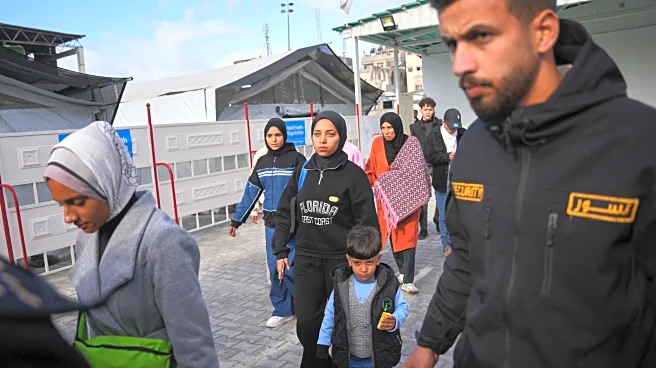
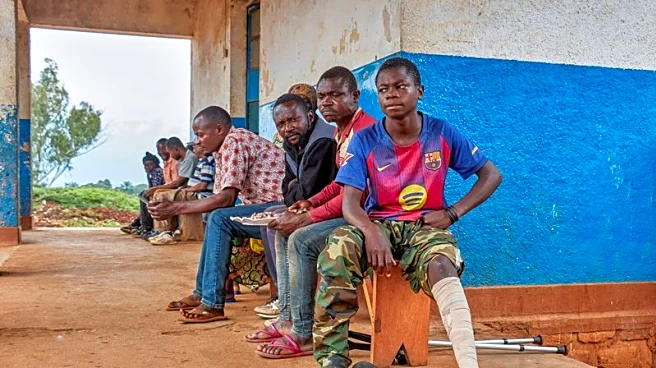
which did not include M23. The agreement obliges Rwanda to halt support for armed groups, but the Democratic Republic of Congo (DRC) has stated it will not observe any ceasefire and continues to fight to reclaim territories lost to M23. The rebel group has taken control of the strategic city of Uvira, further complicating peace efforts. The conflict has displaced over 7 million people, creating a significant humanitarian crisis.
Why It's Important?
The ongoing conflict in eastern Congo highlights the challenges of implementing peace agreements in regions with complex political and military dynamics. The failure to include M23 in the peace deal underscores the difficulties in achieving comprehensive peace in the area. The humanitarian crisis, with millions displaced, poses significant challenges for international aid organizations and regional stability. The involvement of Rwanda and accusations of its support for M23 add a layer of international tension, potentially affecting diplomatic relations in the region.
What's Next?
The situation remains volatile, with the potential for further escalation if diplomatic efforts do not succeed in bringing all parties to the negotiating table. The international community, including the United Nations and the African Union, may need to increase their involvement to mediate and enforce peace agreements. The humanitarian crisis will require sustained international aid and support to address the needs of displaced populations and prevent further deterioration of living conditions.