







What's Happening?
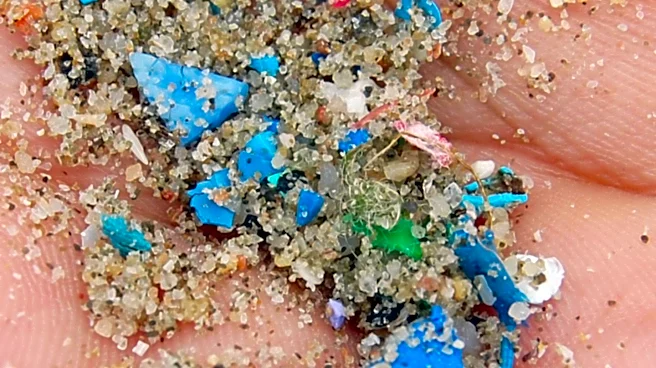
Recent studies have identified the presence of microplastics in coffee brewed using Keurig machines, specifically from the K-Cup pods made of polypropylene. These microplastics are small plastic particles measuring less than 5 millimeters, which can be
released when the pods are exposed to heat, pressure, and friction during the brewing process. While the exact health implications of consuming microplastics are still unclear, there are concerns about associated chemicals potentially interfering with hormones and leading to health issues such as cancer, diabetes, and reproductive disorders. The issue is not exclusive to Keurig machines, as similar findings have been reported in other plastic-based coffee systems.
Why It's Important?
The presence of microplastics in coffee raises significant health concerns, as these particles may carry chemicals that disrupt hormonal functions and contribute to various health problems. This issue highlights the need for further research to understand the long-term effects of microplastic consumption. Additionally, it underscores the importance of addressing plastic waste and exploring alternative materials for coffee pods to reduce environmental impact and potential health risks. Consumers and manufacturers alike may need to consider more sustainable practices to mitigate these risks.