
What's Happening?
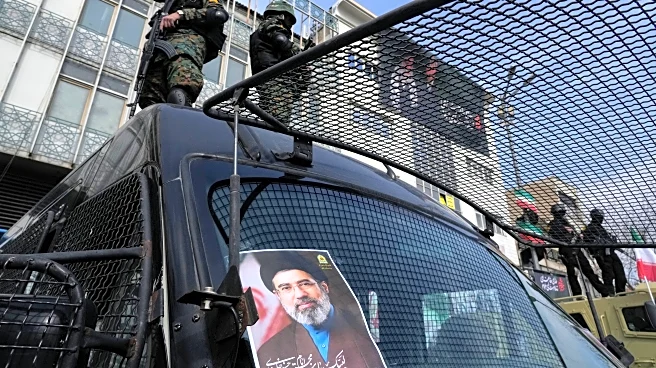
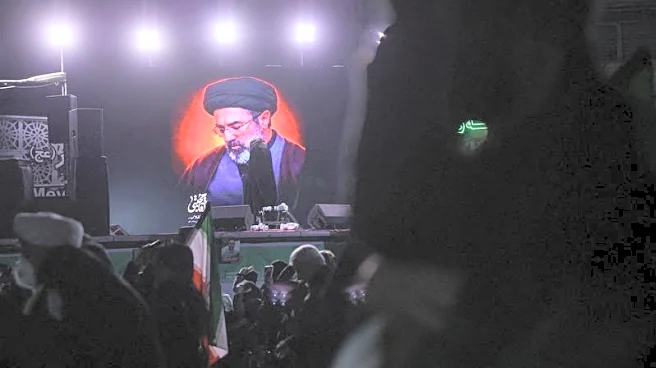
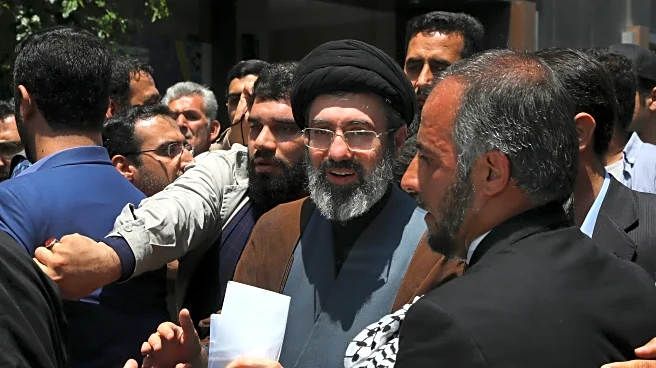
Mojtaba Khamenei has been appointed as Iran's new supreme leader following the death of his father, Ayatollah Ali Khamenei, who was killed in an Israeli strike. The announcement was made by Iranian state TV, marking a significant shift in leadership during
a period of heightened conflict in the Middle East. Mojtaba Khamenei, who has not previously held any elected or appointed government position, was long considered a potential successor. His appointment comes as Iran continues to navigate the complexities of war, with the Revolutionary Guard, which answers to the supreme leader, playing a crucial role in the country's military strategy.
Why It's Important?
The appointment of Mojtaba Khamenei as Iran's supreme leader is a pivotal development in the ongoing Middle Eastern conflict. This leadership change could influence Iran's strategic decisions and its interactions with global powers, including the United States. President Trump has expressed interest in influencing the future leadership of Iran, indicating potential diplomatic tensions. The new leader's lack of prior government experience may also impact Iran's internal and external political dynamics, affecting regional stability and international relations.
What's Next?
With Mojtaba Khamenei now at the helm, Iran's future actions in the conflict will be closely watched by international observers. The Revolutionary Guard's strategies under his leadership could shape the course of the war. Additionally, President Trump's comments suggest that the U.S. may seek to exert influence over Iran's leadership decisions, potentially leading to further diplomatic engagements or confrontations. The international community will likely monitor how this leadership transition affects Iran's domestic policies and its role in the broader geopolitical landscape.