









What's Happening?
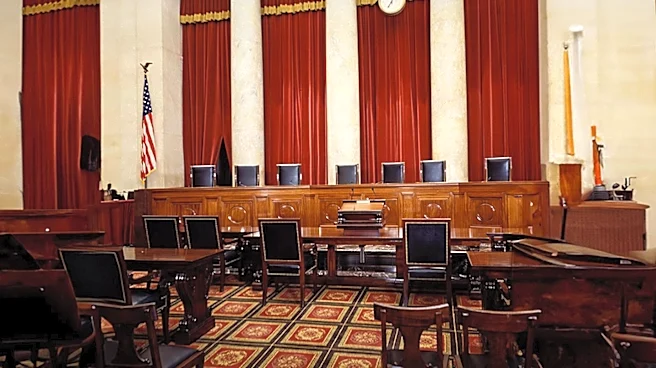
The Supreme Court has ruled in favor of Cisco, dismissing a lawsuit that accused the tech company of aiding the Chinese government in persecuting members of the Falun Gong spiritual movement. The plaintiffs argued that Cisco's technology was used to track
and suppress Falun Gong practitioners in China. The court decided that U.S. courts are not the appropriate venue for such cases, rejecting the plaintiffs' claims under the Alien Tort Statute and the Torture Victim Protection Act. Justice Amy Coney Barrett, writing for the majority, stated that the court is closing the door on using these statutes for international human rights claims. Justice Sonia Sotomayor dissented, expressing concern that this decision limits access to U.S. courts for international law violations.
Why It's Important?
This ruling is significant as it sets a precedent for how U.S. courts handle cases involving alleged human rights abuses linked to American companies operating abroad. The decision underscores the challenges plaintiffs face in seeking justice for international human rights violations through U.S. legal channels. It also highlights the ongoing debate over the responsibility of American companies in foreign countries, particularly in contexts where their technology may be used for surveillance and repression. The ruling may impact future cases involving U.S. companies and their operations in countries with questionable human rights records.
What's Next?
The decision may prompt further discussions and potential legislative actions regarding the accountability of U.S. companies for their overseas operations. Human rights advocates might seek alternative legal avenues or push for new laws to address the limitations highlighted by this case. Cisco and other tech companies may also face increased scrutiny over their international business practices, particularly in countries with poor human rights records.
Beyond the Headlines
The case brings attention to the broader issue of technology's role in global surveillance and human rights abuses. It raises ethical questions about the responsibility of tech companies in ensuring their products are not used for oppressive purposes. The decision may influence corporate policies and encourage companies to adopt more stringent human rights due diligence processes.