
What's Happening?
A severe heat wave affecting the tri-state area has resulted in 19 suspected heat-related deaths in New Jersey, according to the state's health commissioner. The fatalities occurred during the first week
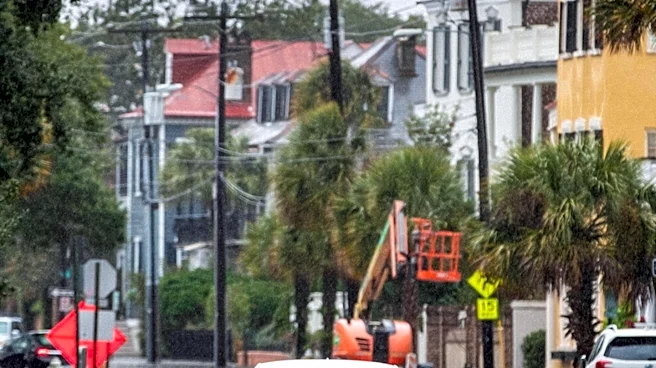
of July, with most cases reported in central and northern parts of the state. Dr. Raynard Washington, the health commissioner, noted that the deaths began as early as Thursday and involved individuals found in various locations, including homes without air conditioning, on the streets, and in parked cars. The heat wave has also been accompanied by severe storms, which have caused power outages and disrupted public transportation.
Why It's Important?
The heat wave's impact underscores the vulnerability of certain populations, particularly those without access to air conditioning or adequate shelter. The situation highlights the need for public health interventions and infrastructure improvements to protect residents during extreme weather events. The increase in heat-related deaths compared to last year's six fatalities suggests a growing urgency for effective heat management strategies. This event also raises concerns about the broader implications of climate change, as extreme weather patterns become more frequent and severe, posing challenges for public health and safety.
What's Next?
In response to the heat wave, state officials may consider implementing emergency measures to provide relief and prevent further casualties. This could include opening cooling centers, distributing resources to vulnerable populations, and enhancing public awareness campaigns about heat safety. Additionally, the aftermath of the storms may require coordinated efforts to restore power and clear debris, ensuring that residents have access to essential services. The situation may prompt discussions on long-term strategies to mitigate the effects of climate change and improve resilience against extreme weather.