




What's Happening?
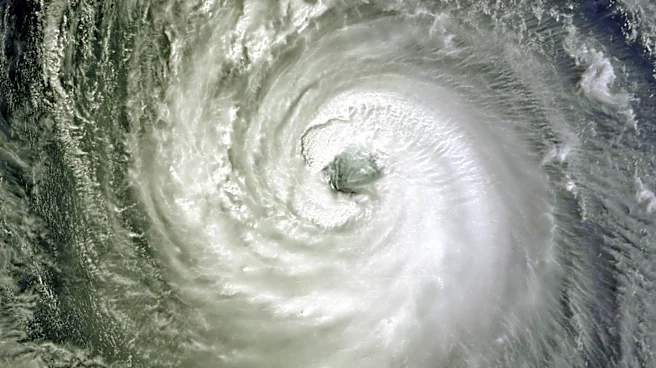
Typhoon Cempaka formed in the western North Pacific on November 7, 2026, marking the 32nd named tropical cyclone of the year in the region. This number surpasses the 31 recorded in 2013, making it the highest annual count for the 21st century. The China
Meteorological Administration (CMA) reported Cempaka's formation and its subsequent development. By November 9, Cempaka had maximum winds of approximately 125 km/h (80 mph) and a minimum central pressure of 970 hPa, moving east-northeast. The Japan Meteorological Agency (JMA) statistics indicate that while 32 is the highest this century, it is not an all-time record, with 39 systems in 1967 and 36 in both 1994 and 1971. Cempaka eventually transitioned into an extratropical cyclone over waters southeast of Japan by November 11.
Why It's Important?
The unusually high number of tropical cyclones in the western North Pacific for 2026, with Typhoon Cempaka being the 32nd, highlights potential shifts in regional weather patterns. This increase in storm activity can have significant implications for coastal communities and maritime operations across the Pacific. While Cempaka itself did not affect China's seas, the overall trend of more frequent and potentially stronger storms could lead to increased risks of damage, displacement, and economic disruption in affected areas. The China Meteorological Administration attributes this high storm count partly to the developing El Niño phenomenon and the persistent northward position of the western Pacific subtropical high, suggesting broader climatic influences are at play. This trend underscores the importance of robust disaster preparedness and climate adaptation strategies for nations in the Pacific Rim.
What's Next?
The ongoing El Niño and the observed position of the western Pacific subtropical high suggest that conditions favorable for tropical cyclone formation may persist. While Typhoon Cempaka has dissipated, the focus will likely shift to monitoring future storm developments and their potential impacts. Authorities in affected regions will continue to issue public health advisories and coordinate emergency response efforts. The scientific community will likely further analyze the 2026 season's data to refine climate models and improve forecasting accuracy. Continued vigilance and preparedness will be crucial for communities in the western North Pacific as they navigate the remainder of the typhoon season and anticipate future weather patterns influenced by these climatic factors.
Beyond the Headlines
The record-breaking number of tropical cyclones in 2026, exemplified by Typhoon Cempaka, raises deeper questions about the long-term effects of climate change on global weather systems. While specific attribution to climate change requires extensive research, the observed increase in storm frequency aligns with some climate projections. This trend could lead to a 'new normal' for typhoon seasons, necessitating significant investments in resilient infrastructure, early warning systems, and public education campaigns. The economic burden of recovery and adaptation could strain national budgets, particularly in developing island nations. Furthermore, the ecological impact on marine ecosystems and coastal biodiversity from more frequent and intense storms could be substantial, altering natural habitats and affecting local economies reliant on these resources. The event serves as a stark reminder of the interconnectedness of global climate phenomena and their far-reaching consequences.