




What's Happening?
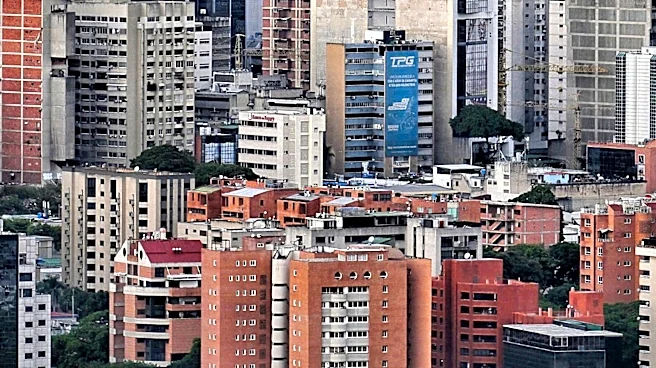
The death toll from two major earthquakes that struck Venezuela in June has risen to over 6,000, according to National Assembly President Jorge Rodriguez. The earthquakes, with magnitudes of 7.2 and 7.5, severely affected the coastal state of La Guaira
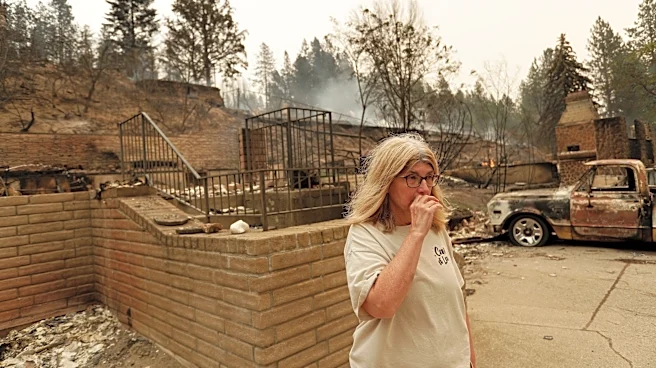
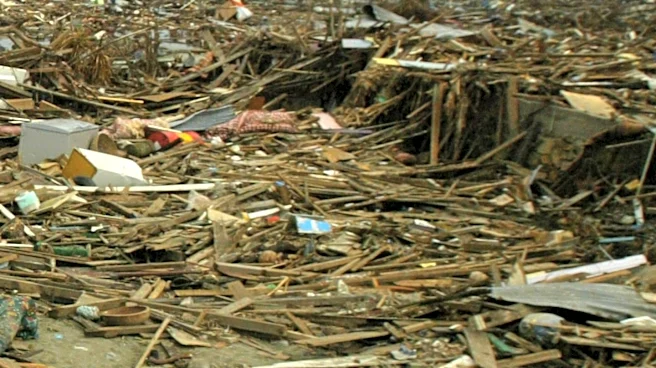
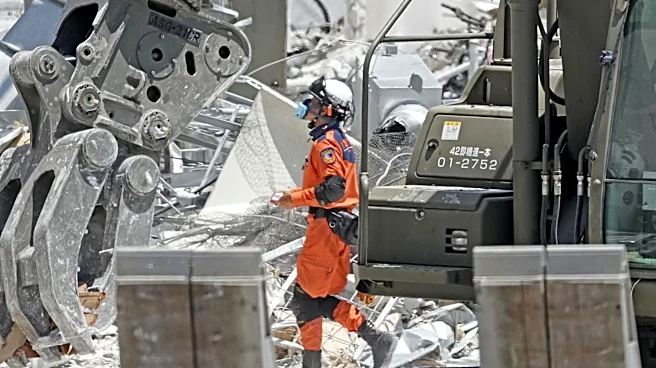
and the capital, Caracas. The Venezuelan government, led by interim President Delcy Rodriguez, faces criticism for its response to the disaster, with many citizens expressing dissatisfaction with the pace and effectiveness of relief efforts. The earthquakes have caused significant physical damage, estimated at nearly $20 billion, and have left thousands in need of medical treatment and assistance.
Why It's Important?
The earthquakes have exacerbated Venezuela's existing economic and political challenges, highlighting the country's vulnerability to natural disasters. The government's response has been scrutinized, with calls for improved disaster preparedness and management. The situation underscores the need for international support and cooperation to aid in Venezuela's recovery efforts. The ongoing economic sanctions imposed by the United States further complicate the flow of aid and resources, potentially hindering recovery efforts and prolonging the humanitarian crisis.
What's Next?
Venezuela's path to recovery will require significant international assistance and investment. The government may need to negotiate with international bodies and countries to secure the necessary funds and resources for rebuilding efforts. The situation could also prompt discussions on lifting or easing economic sanctions to facilitate aid delivery. The international community's response will be crucial in determining the speed and effectiveness of Venezuela's recovery.
Beyond the Headlines
The disaster highlights the broader implications of political and economic isolation on a country's ability to respond to emergencies. The situation in Venezuela serves as a reminder of the importance of international cooperation and solidarity in addressing global humanitarian challenges. It also raises questions about the ethical considerations of maintaining sanctions in the face of natural disasters and humanitarian needs.