
What's Happening?
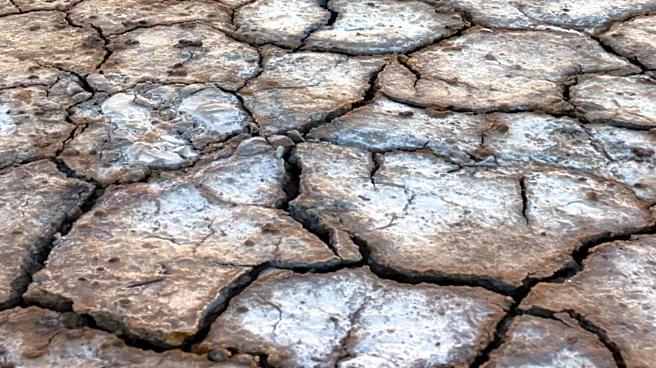
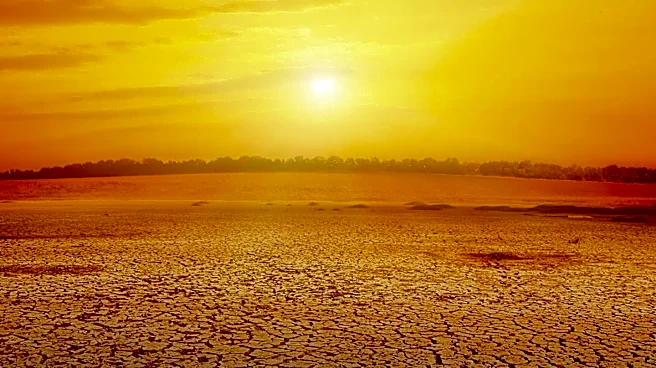
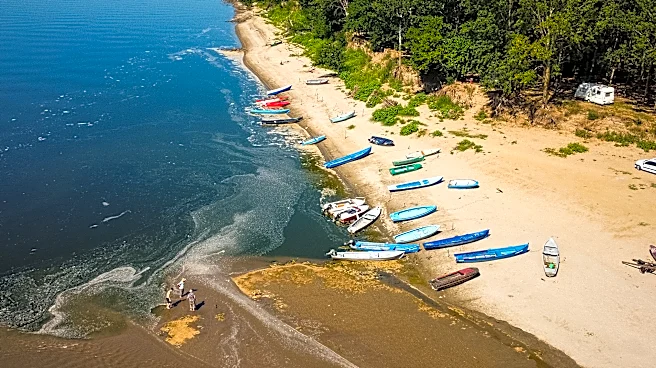
England is experiencing an 'exceptionally serious' drought affecting half the nation, driven by successive heatwaves and low rainfall. The Environment Agency reports that rivers are alarmingly low, with 78% below normal levels. The drought is impacting
food production, with experts warning of potential disruptions to vegetable supplies and public health. The situation is exacerbated by 'weather whiplash,' with swings between wet and dry extremes becoming more frequent. The drought highlights the need for long-term planning and investment in water infrastructure to mitigate future impacts.
Why It's Important?
The drought in England underscores the increasing vulnerability of water resources and food systems to climate change. The situation poses significant risks to agricultural productivity, food security, and public health. The drought highlights the need for comprehensive strategies to enhance resilience against climate extremes, including investments in water infrastructure and sustainable practices. The situation also raises awareness of the interconnectedness of environmental health, food security, and public health, emphasizing the importance of proactive measures to address climate-related challenges.
What's Next?
The government and stakeholders may focus on developing and implementing strategies to enhance water management and infrastructure resilience. Investments in data collection, water storage, and sustainable practices will be essential to mitigate the impacts of future droughts. The situation may prompt discussions on policy measures to support water conservation and agricultural sustainability. Long-term planning and collaboration among stakeholders will be crucial to adapt to the changing climate and ensure resource security.